Late-eighties torsion setups
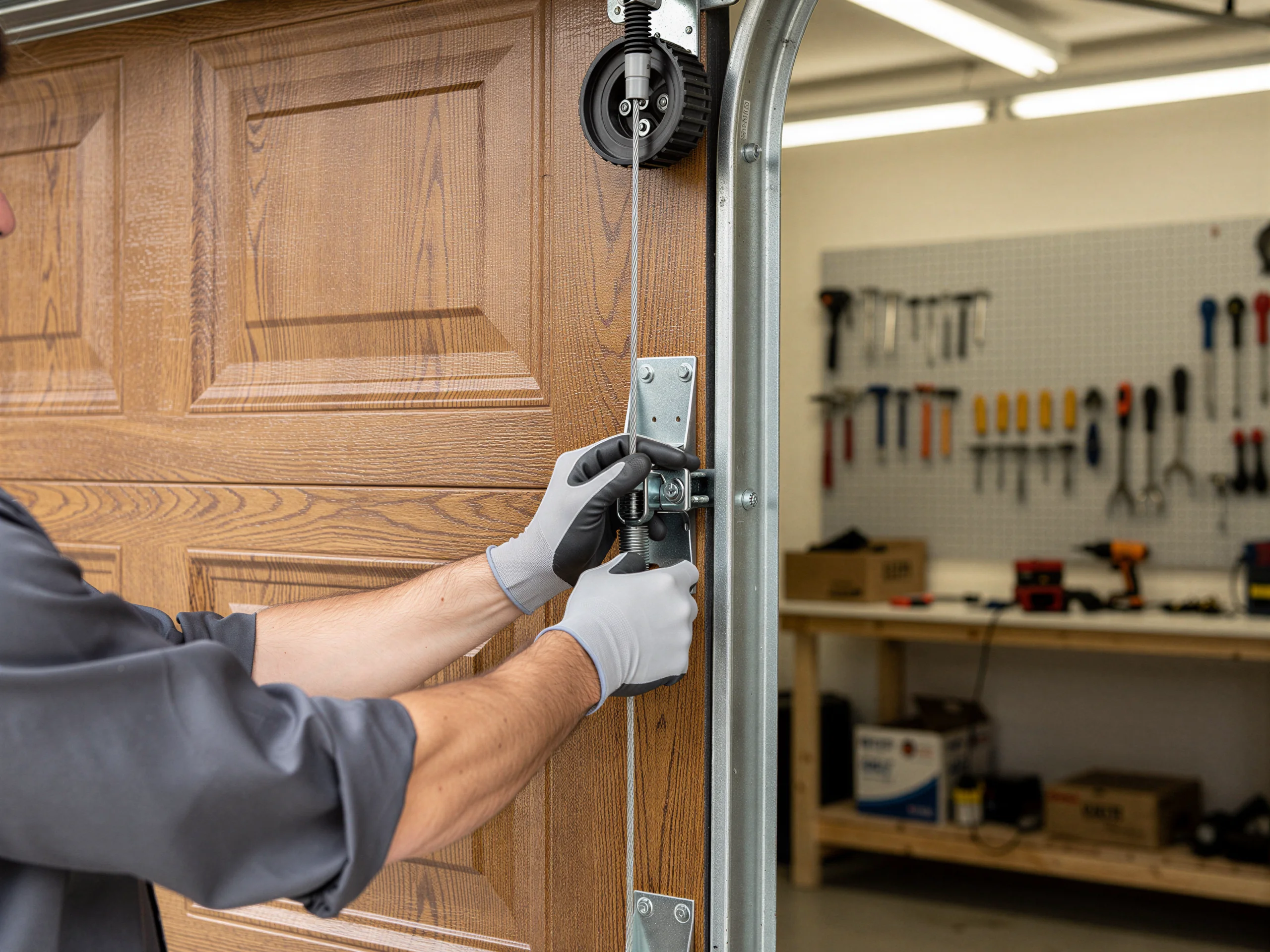
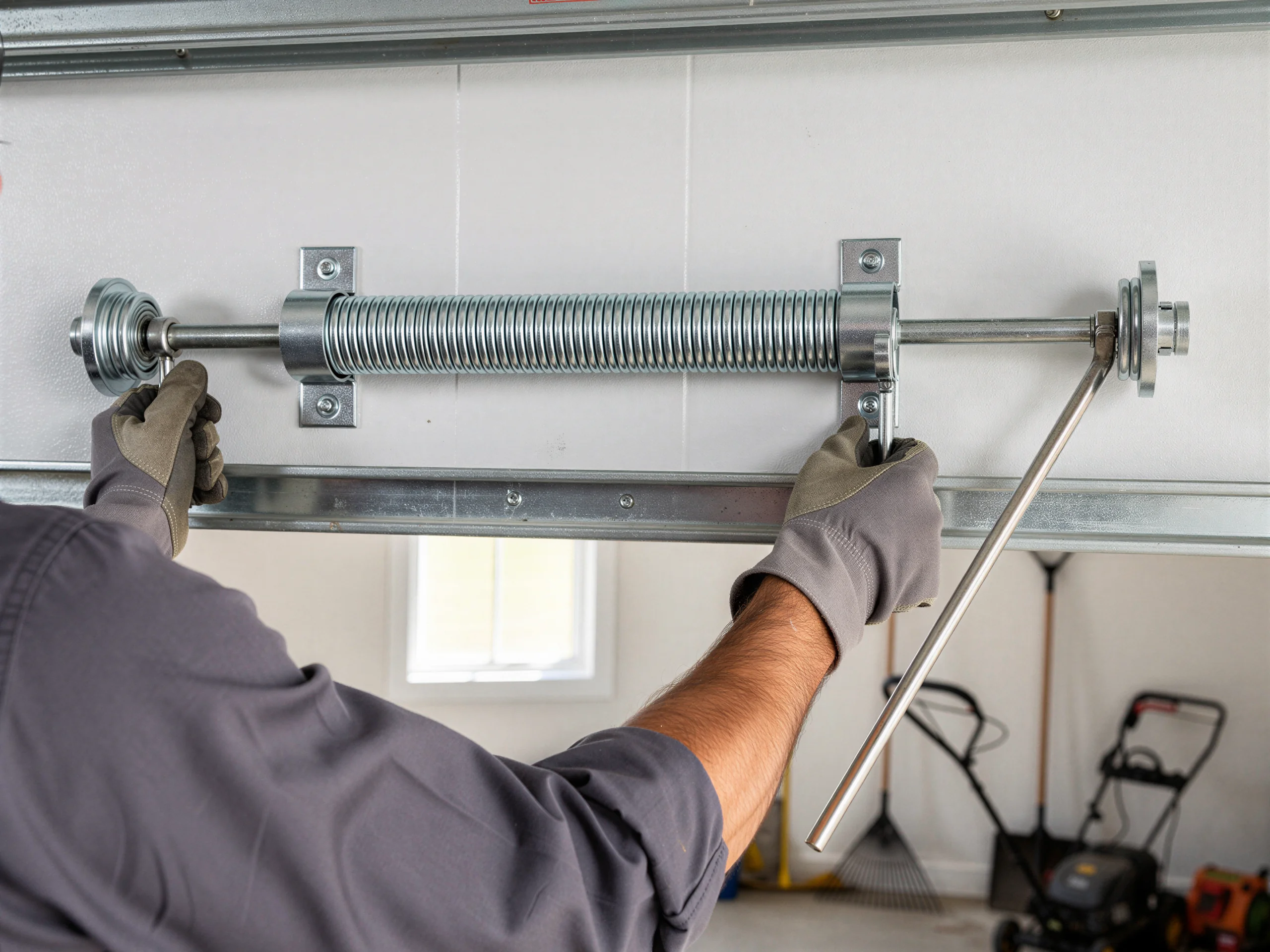
Streets that went up closer to the late 80s or into the 90s are more likely running torsion springs on a center shaft, which is the setup most doors use today.
Highland, San Bernardino CA
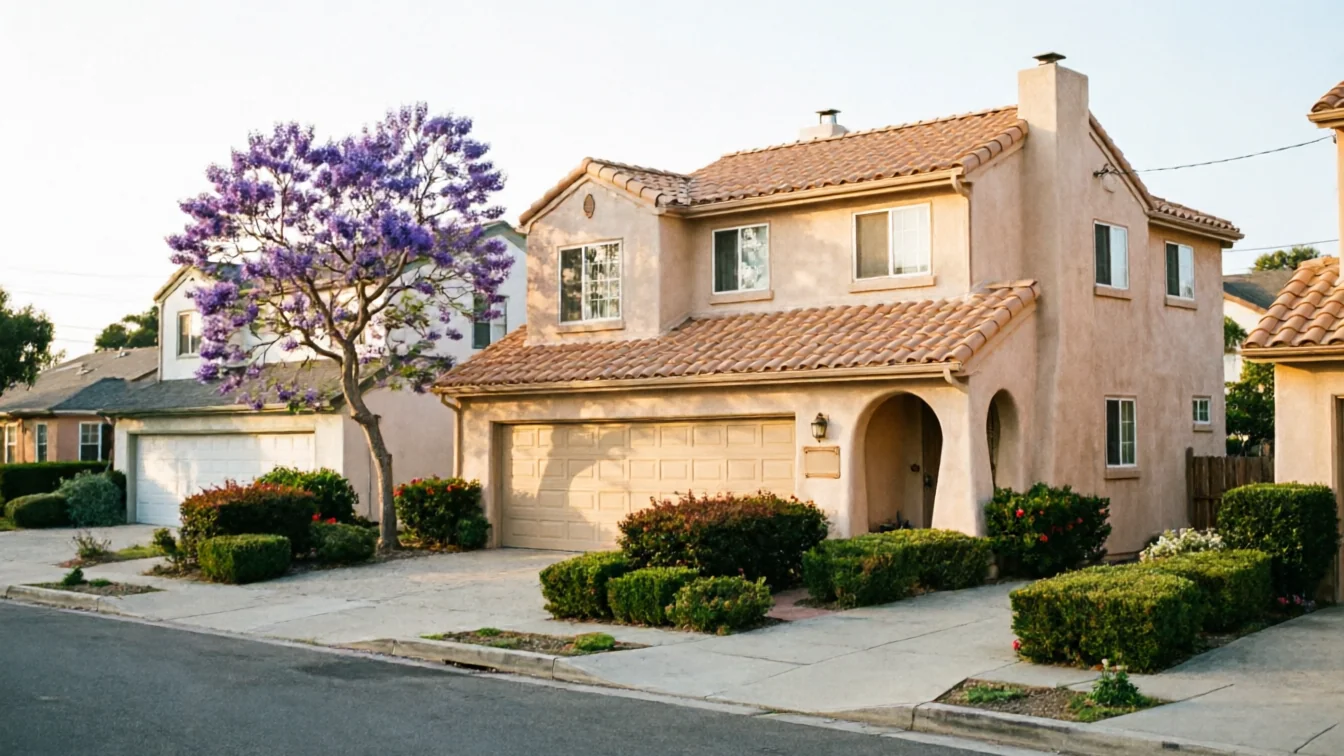
Highland homes mostly date to 1982, a few years newer than the San Bernardino median. That gap changes which springs, openers and tracks we bring on the truck.
What we do here
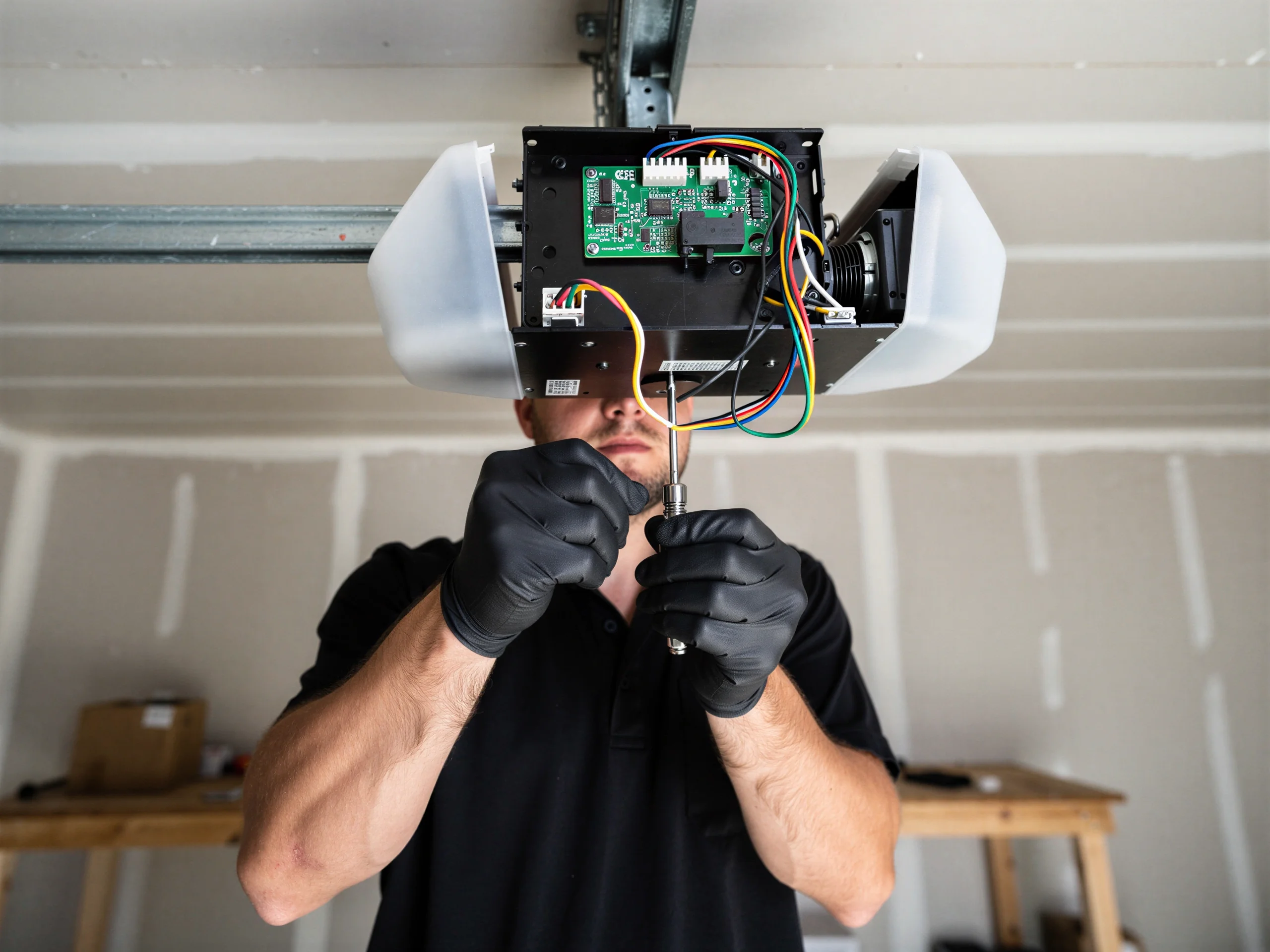
Local housing
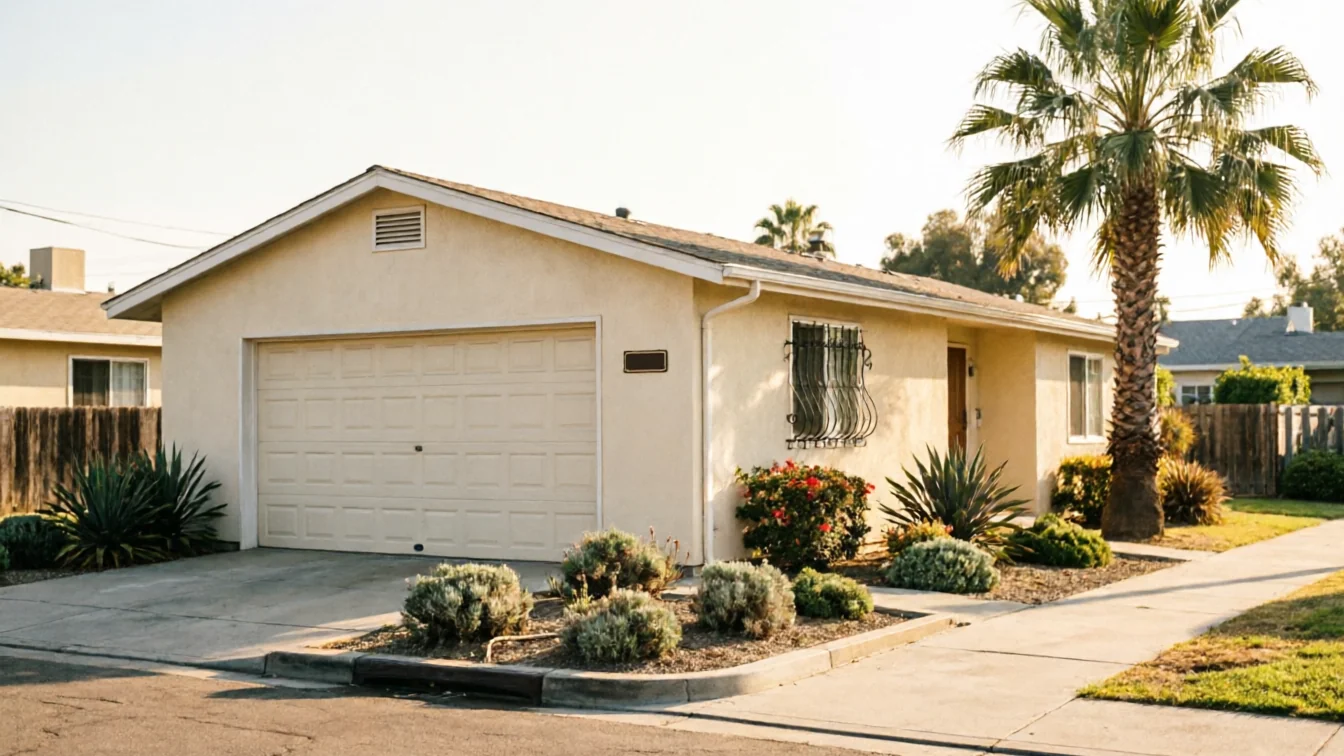
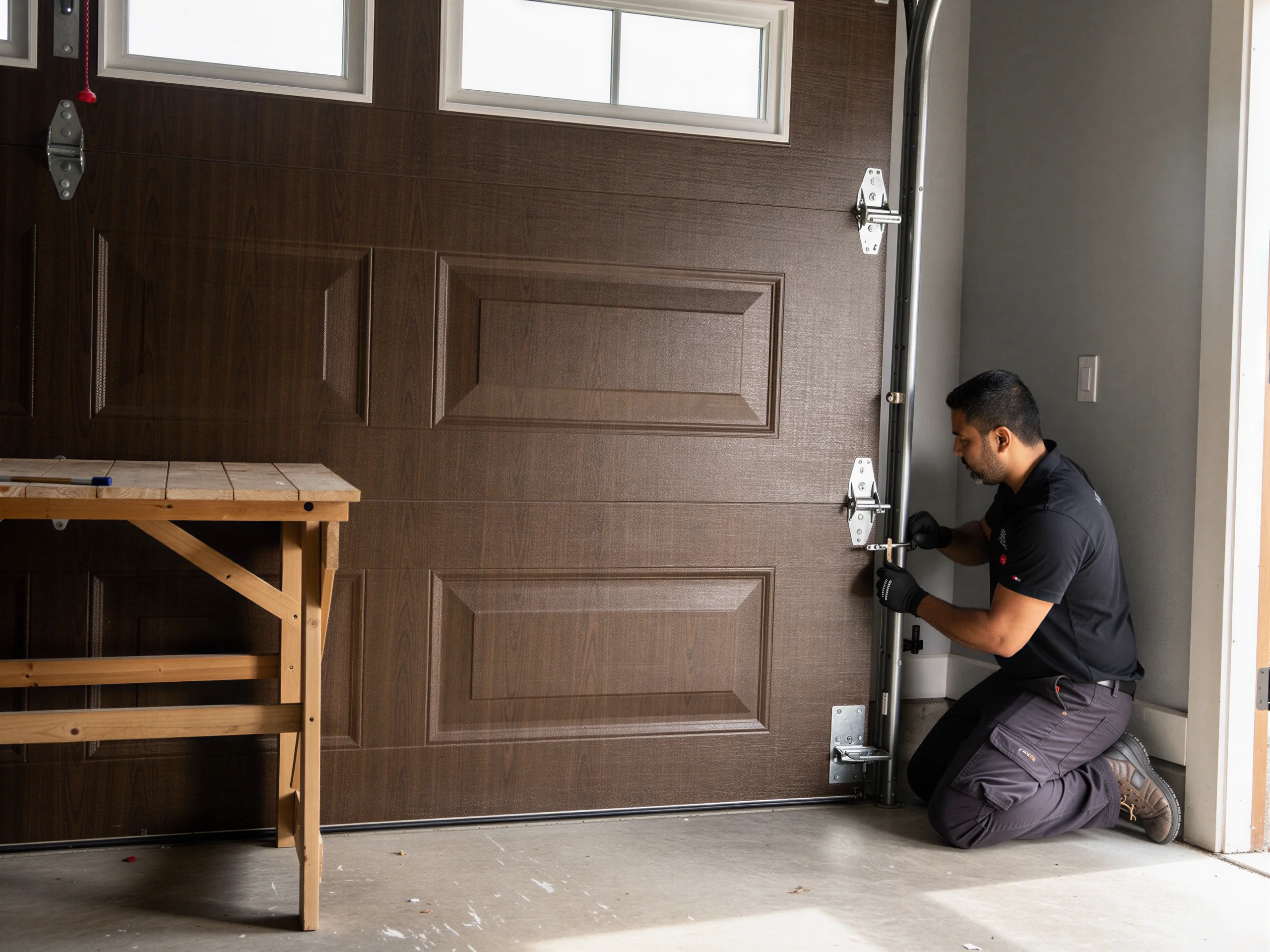
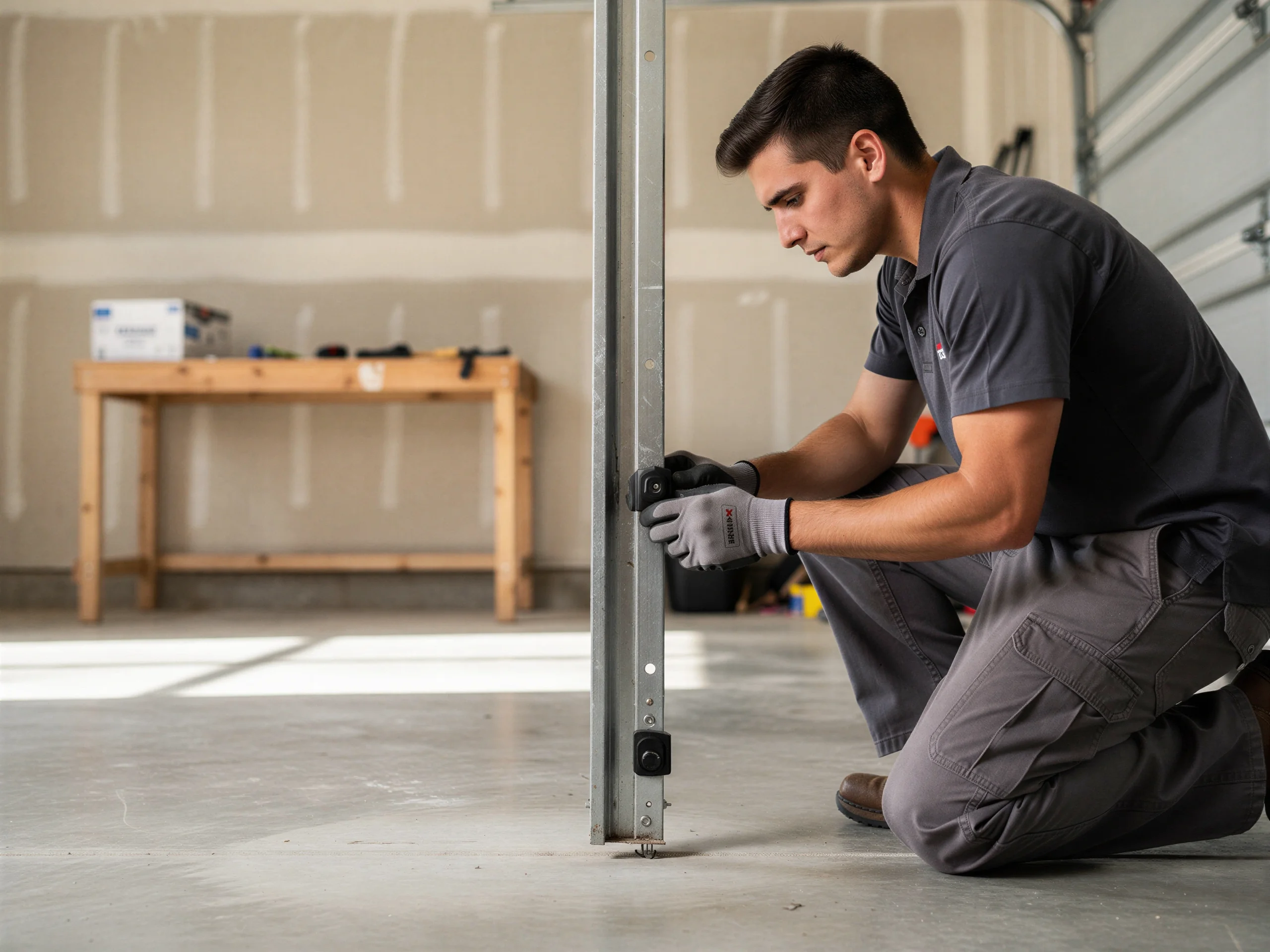
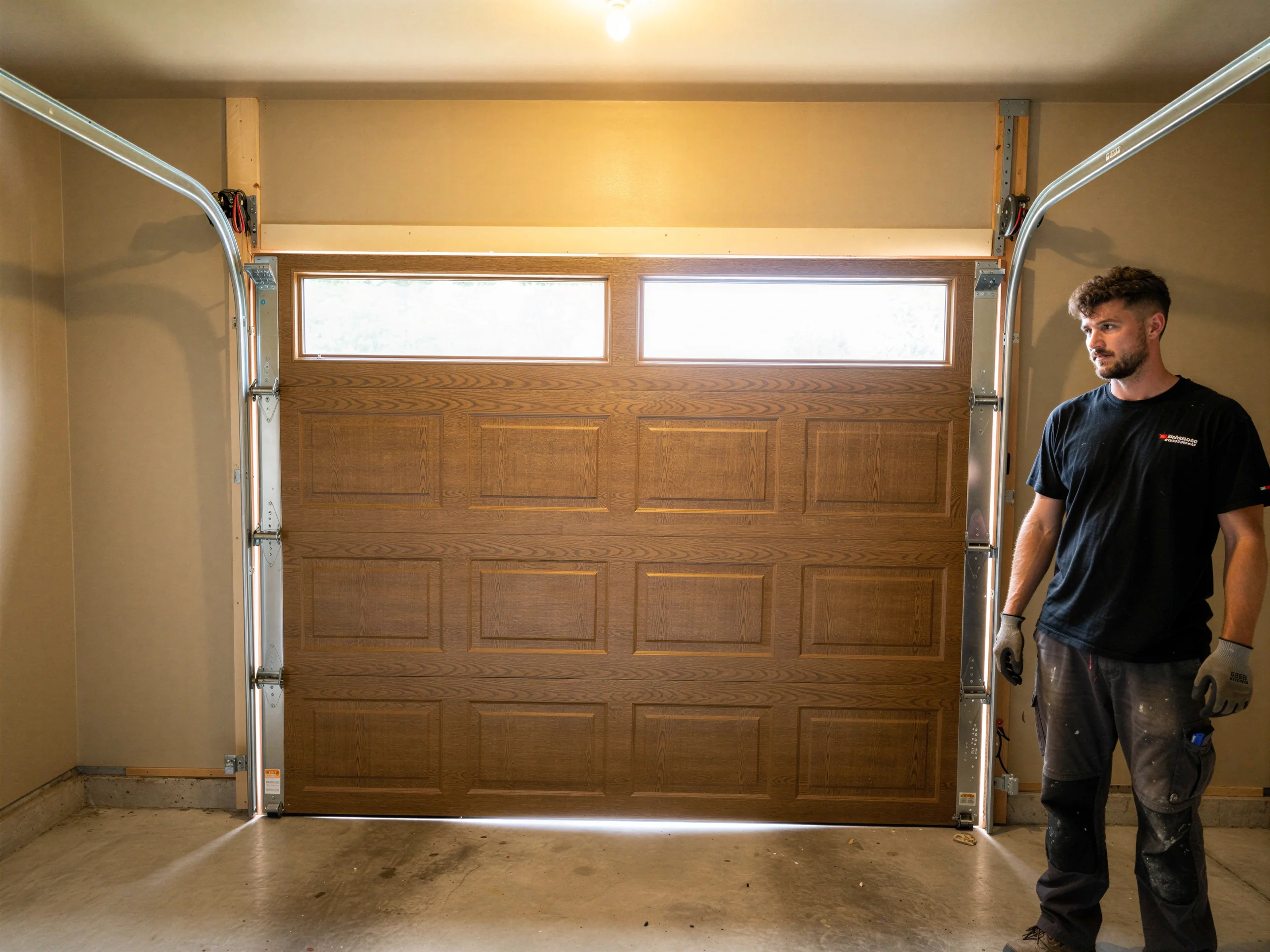
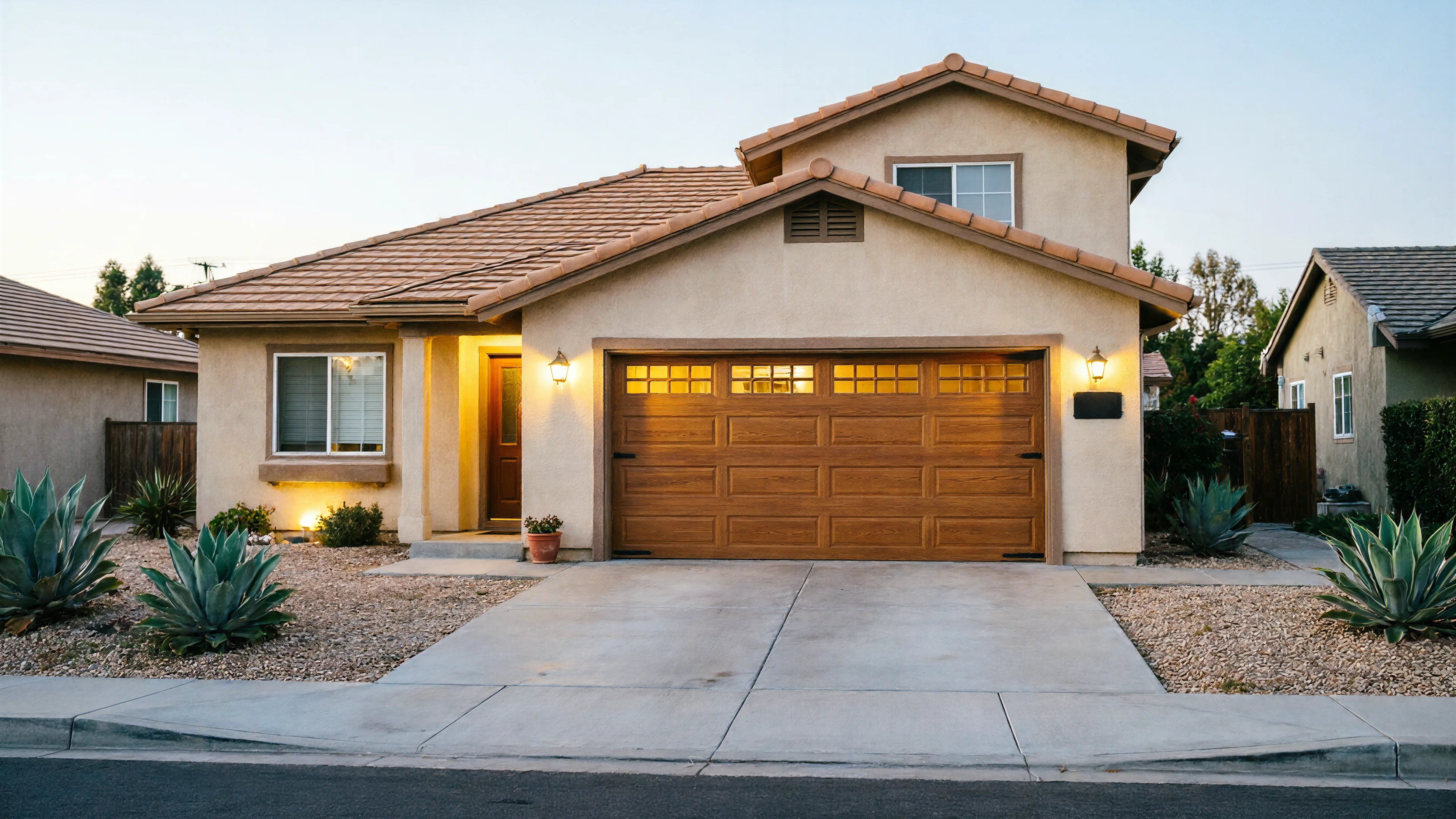
Highland's housing stock centers on 1982, a bit later than the 1958-1996 range (median 1979) that covers San Bernardino as a whole. That few years matters more than it sounds. By the early 1980s, builders had mostly moved off the old heavy one-piece slab doors and onto sectional doors with extension or torsion springs mounted the way we still see them today. If your house in Highland went up in that early-80s wave, you're more likely sitting on a door and track system that's closer to current hardware than to the original postwar setups we find on some of the older streets inside San Bernardino proper. That doesn't mean your door is new - 1982 still puts most of these doors and openers at an age where springs are on their second or third life and chain-drive openers from a decade or two back are starting to show their age. We bring springs and roller hardware sized for both eras, since houses from the late 70s stretch right up next to ones built closer to 1990.
Response times
We run out of San Bernardino, about 8 miles from Highland, so we don't keep a crew stationed here - every call is a drive. We don't quote a fixed arrival window on this page because traffic and the day's job list both move it, but the distance is short enough that it's rarely the thing holding up a repair. What slows a job down more often is parts: if your opener or spring size isn't something we carry on the truck, that's a return trip, not a same-day fix. Tell us the brand and approximate age of your door when you call and we can usually tell you up front whether it's a one-trip job.
Old vs new homes
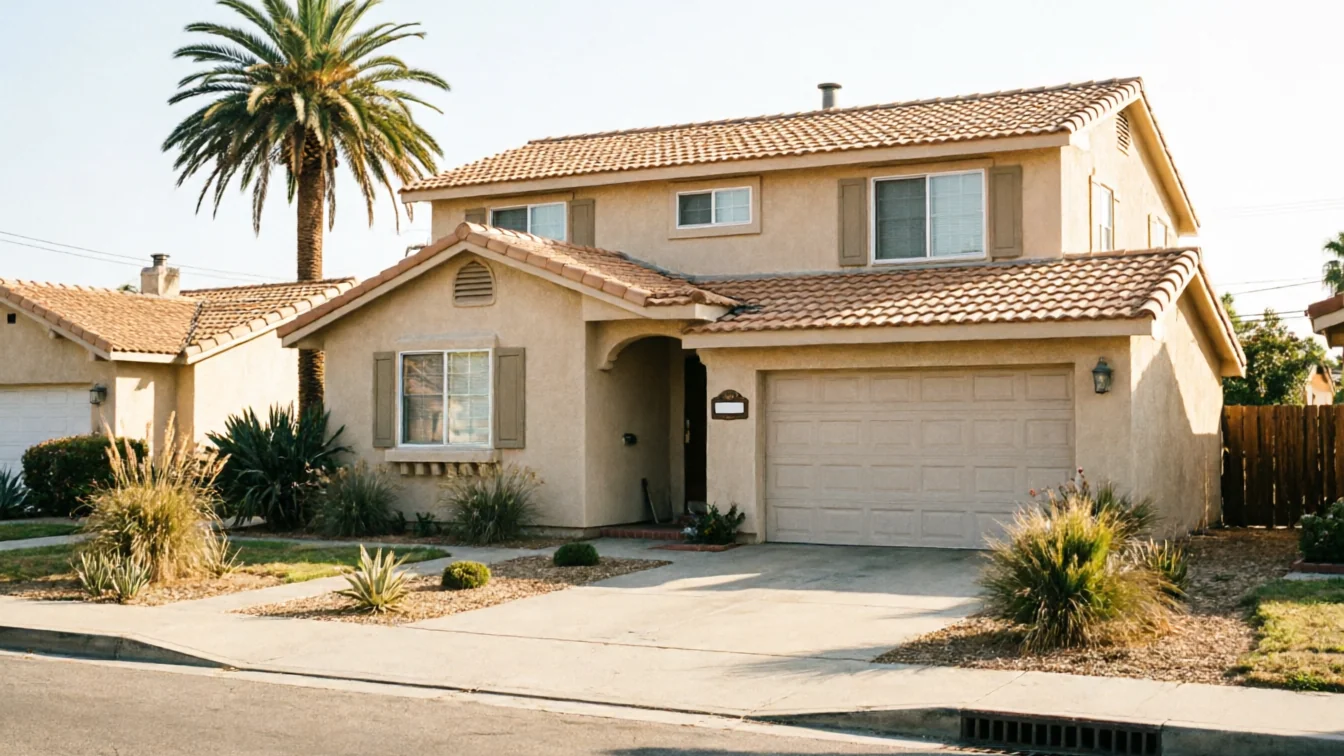
Highland isn't one uniform build era, even with 1982 as the center point. Streets built earlier in that run tend to have the lighter steel doors and older extension-spring setups that were common through the late 1970s - springs mounted along the horizontal tracks rather than on a shaft above the door.
Streets that went up closer to the late 80s or into the 90s are more likely running torsion springs on a center shaft, which is the setup most doors use today.
Across the broader area, 86,867 owner-occupied houses sit inside a mix of roughly a dozen and a half named communities, and the build pattern shifts block by block rather than all at once.
We can't tell you which setup your specific street has without seeing it, but if your neighbors' houses look the same age as yours, their door hardware probably matches too.
Door impact
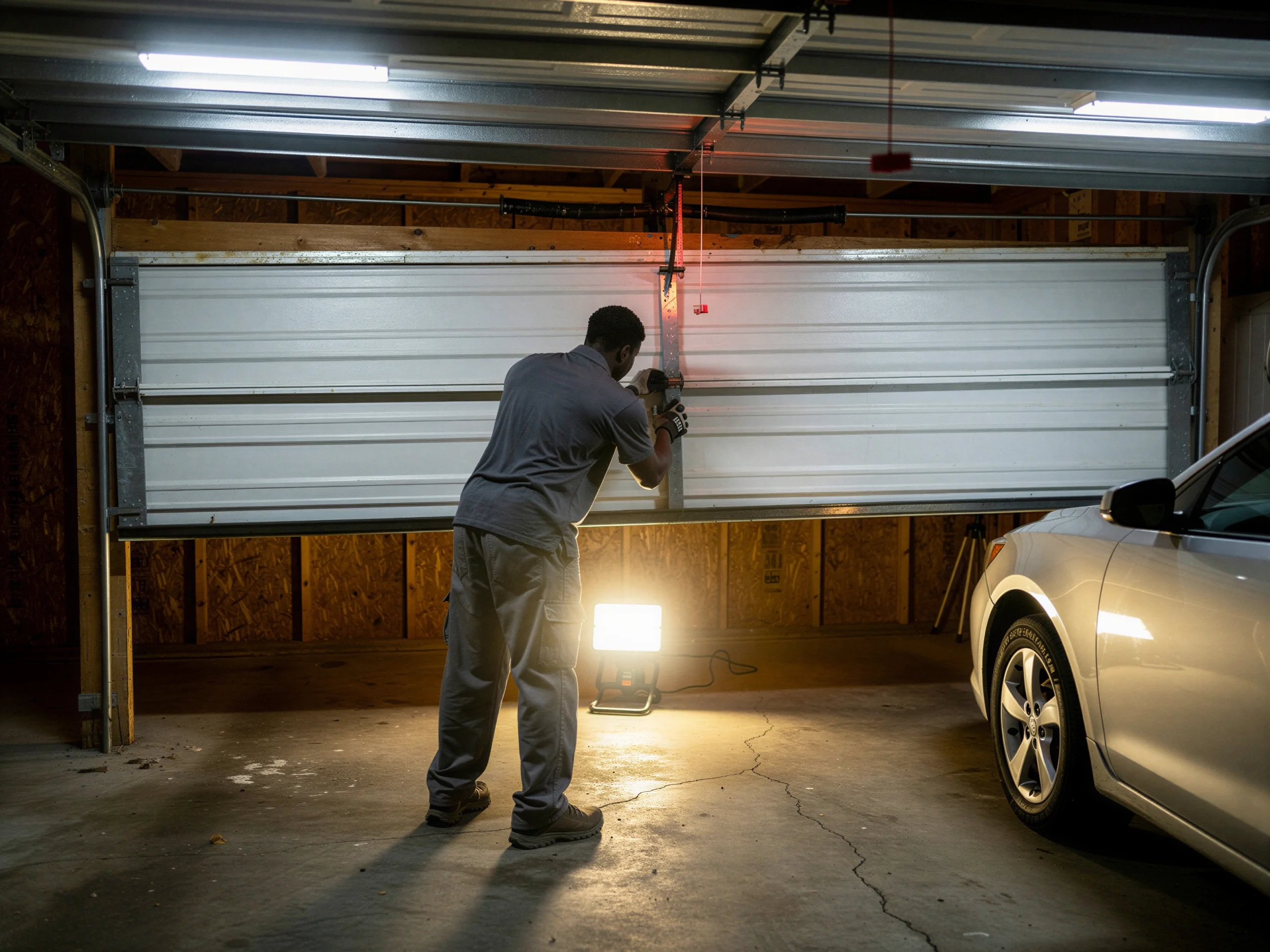
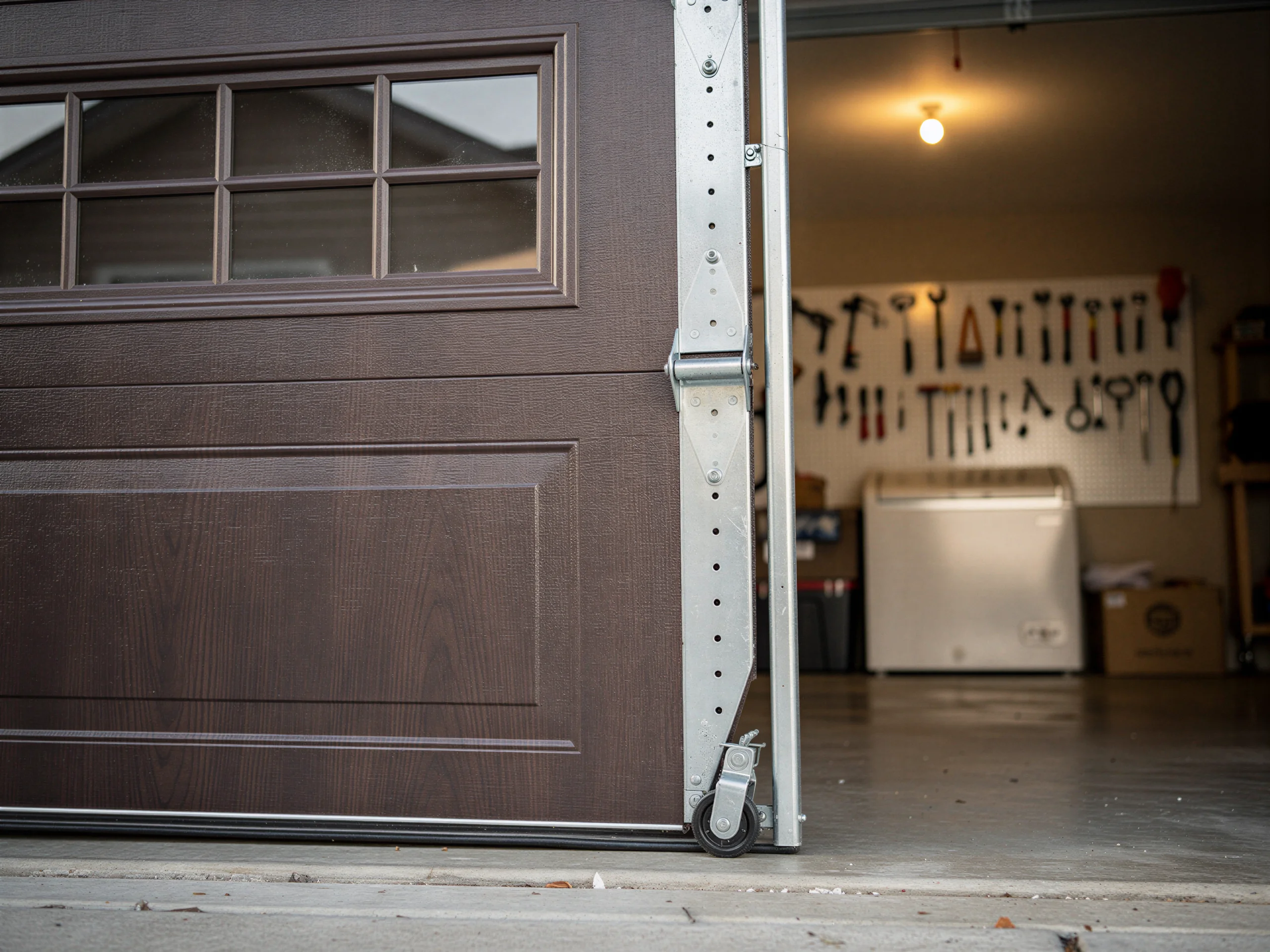
An extension-spring door from the earlier end of Highland's build years fails differently than a torsion-spring door from the later end. Extension springs stretch along the tracks and, when they let go, they can whip if there's no safety cable - something a lot of original installs from that era never had added. Torsion springs break cleanly above the door and are safer by design, but they wear out on a predictable cycle count, and a door that's original to a mid-80s build has usually run through more open-close cycles than most owners realize. Heat is a factor too (F3 - the climate band here runs moderate rather than extreme), so it's spring fatigue and dried-out lubrication wearing hardware down over time, not the kind of sudden weather damage you'd see in a harsher climate. One honest limit: if your opener or spring is an older size we don't stock, we'll tell you instead of forcing a part that's close enough - a mismatched spring is worse than a short wait.
Service areas
Questions
About 8 miles. We travel out for every Highland job since we don't keep a crew or depot in the area itself - all our Highland work is dispatched from San Bernardino.
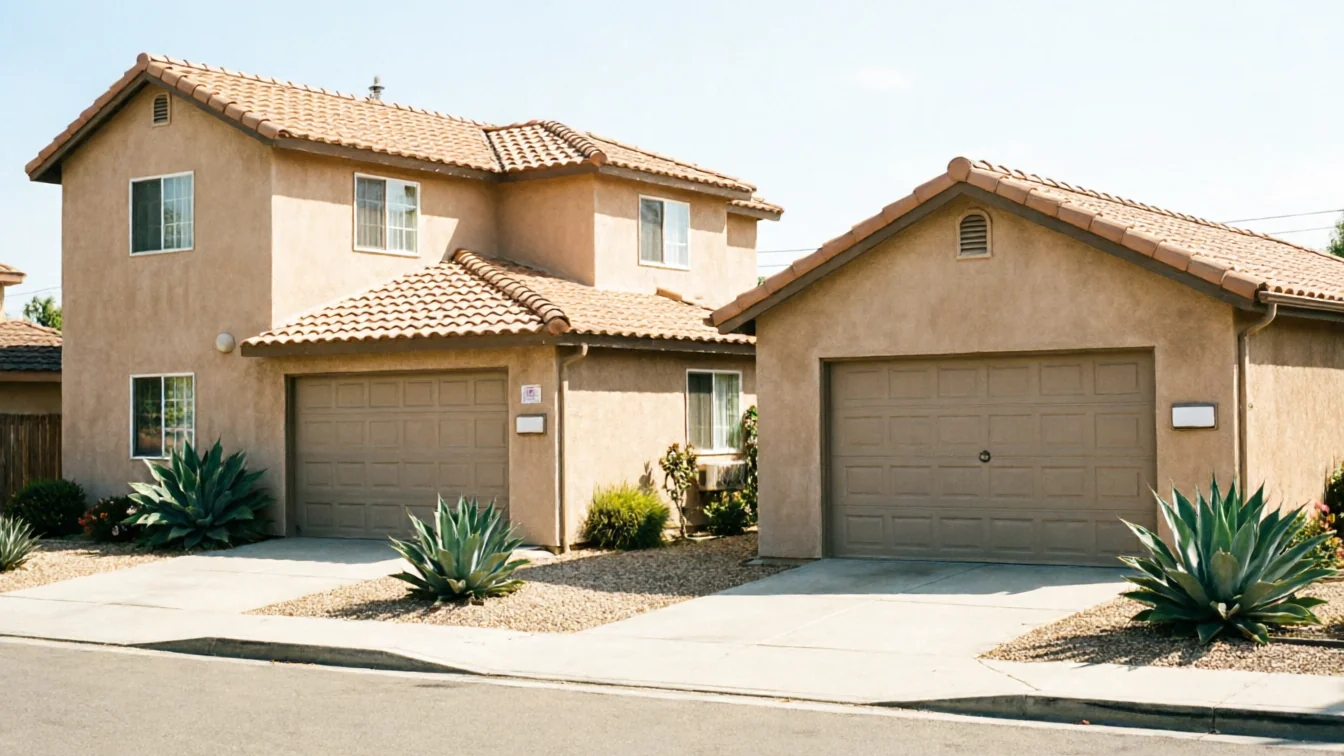
With a median build year of 1982, most Highland homes landed after builders had shifted to sectional doors with spring systems closer to what's installed today, though earlier-built streets in the area can still have older extension-spring setups.
The climate band for this service area is moderate heat rather than extreme, so the wear we see tends to be gradual - spring fatigue and dried lubrication from cycle count and age, not sudden heat-related failures.
Not reliably over the phone. Build year gives us a good guess, but the safest step is telling us your opener brand and roughly how old the door is so we can bring the right spring and track parts.
Ready when you are
San Bernardino Garage Door Pros repairs and installs garage doors, springs and openers in San Bernardino, CA and the surrounding area.