What Causes It Around Here
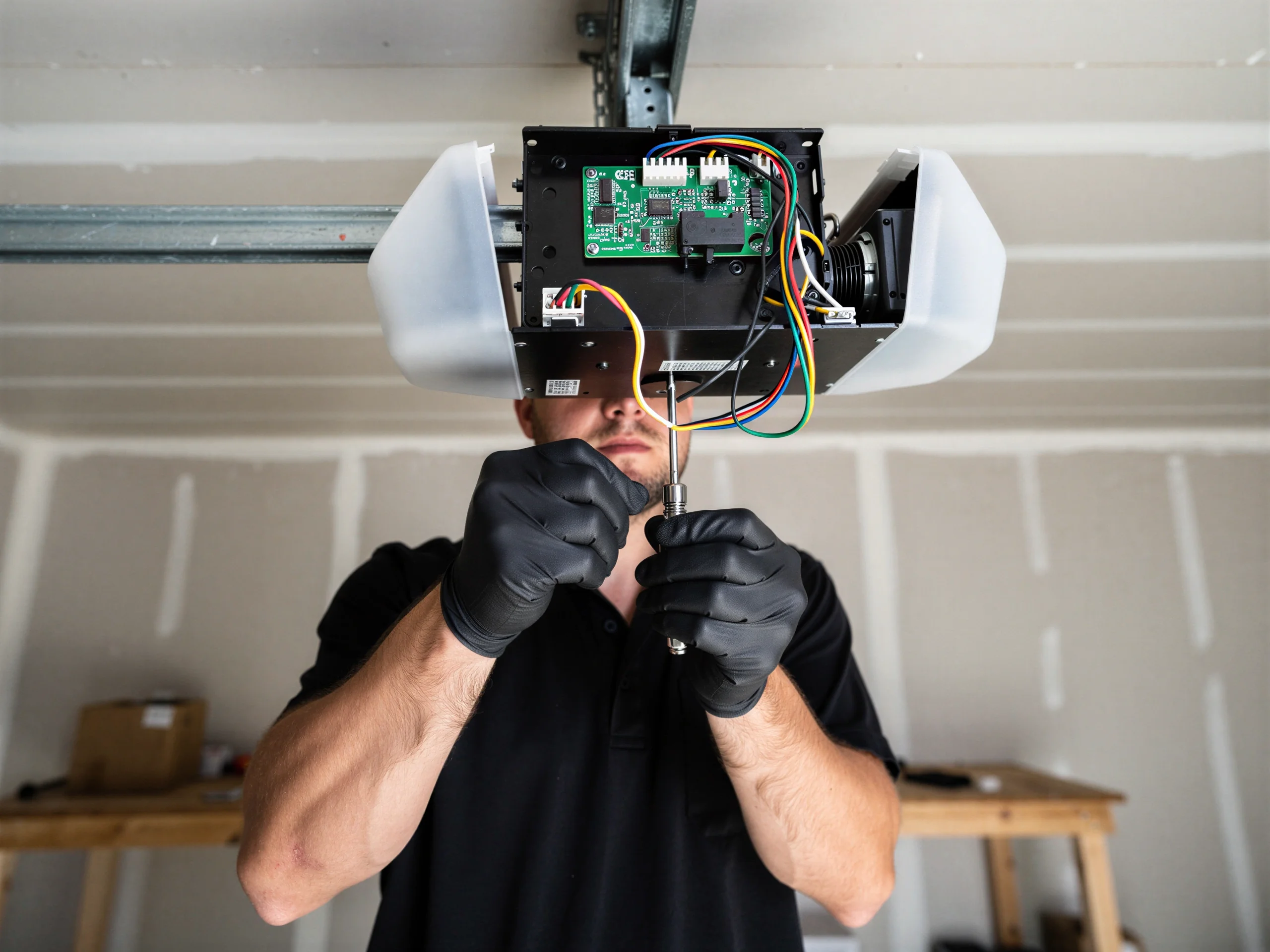
Most of the housing stock across San Bernardino's 16 named areas went up between 1958 and 1996, with the median build year sitting around 1979. That means a big share of openers in this service area are either the original units from a remodel decades ago or a first-generation replacement that's now well past its working life. Chain-drive openers from that era used nylon gears and open relay boards that don't hold up well once the heat band in this region runs moderate to high through the summer months. The garage itself usually sits unconditioned, so the opener housing bakes all afternoon and cools at night - that thermal cycling is what cracks solder joints and warps the gear housing faster than it would in a climate-controlled space. We see this pattern from Muscoy through to Highland and Grand Terrace: a 1970s-built house, a chain-drive opener nobody's touched since it was installed, and a circuit board that finally gives out on a 100-degree day. It's not bad luck. It's the age of the stock plus the heat doing what it does every year.
How Long You Are Without the Door
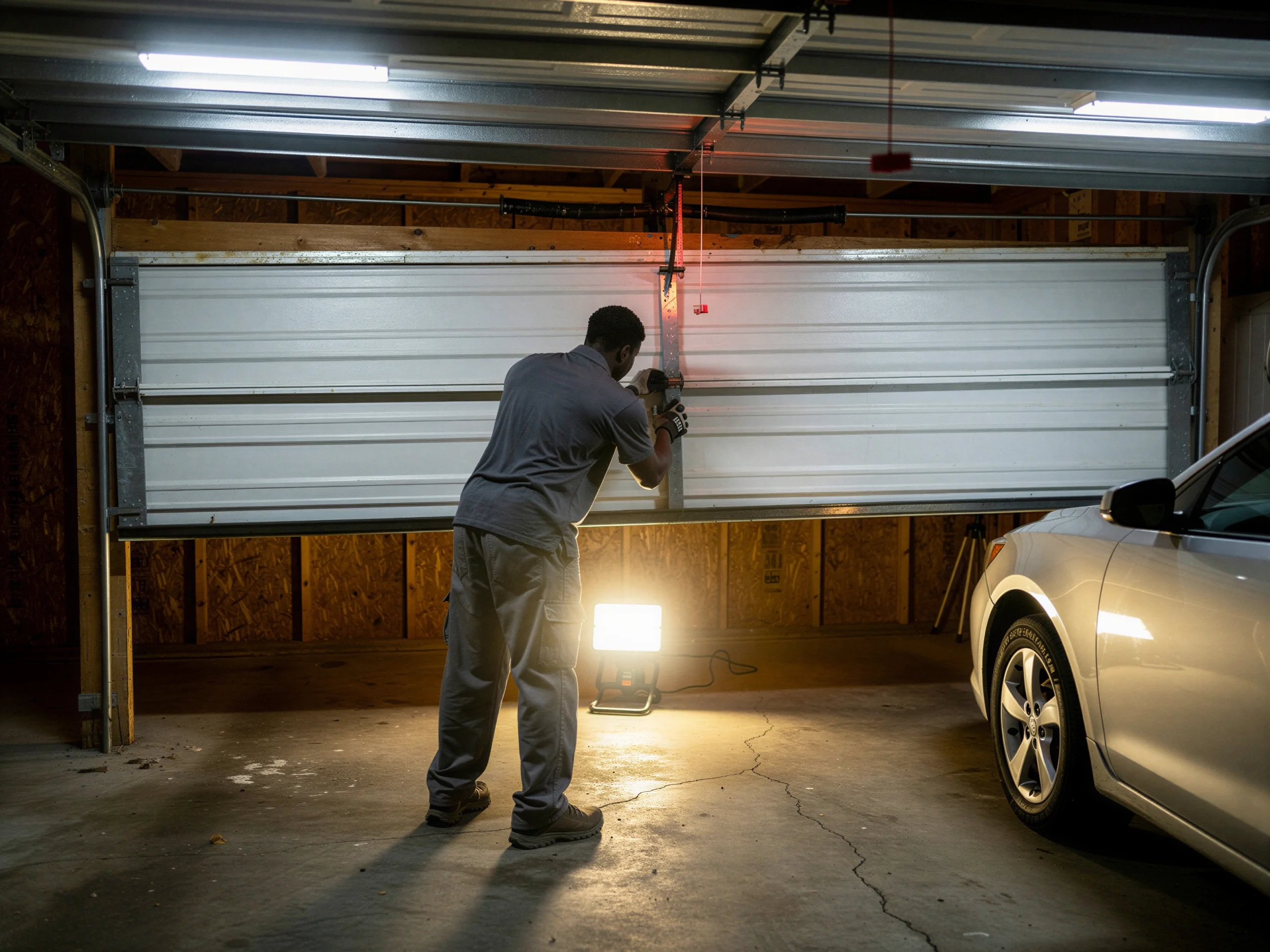
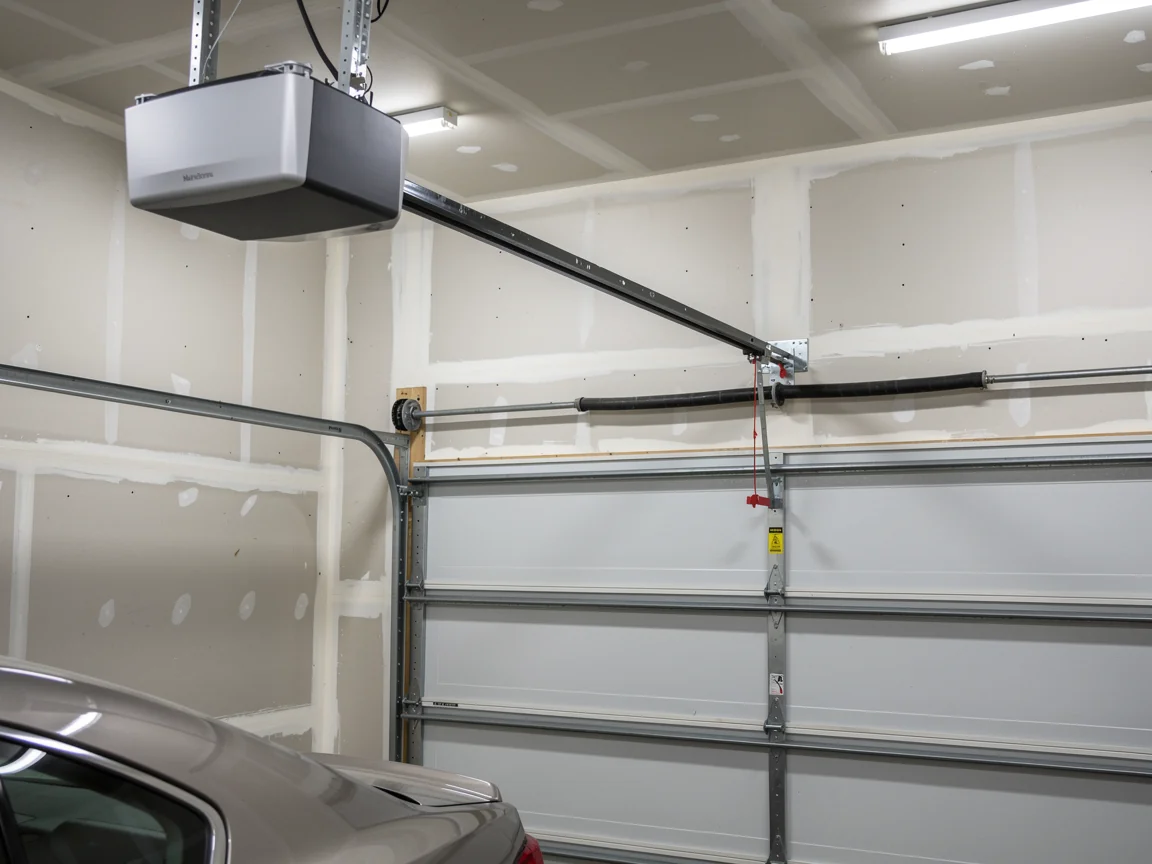
An opener failure doesn't always mean the door is stuck shut. On most residential setups you can release the trolley from the carriage and lift the door by hand until the opener itself is fixed or swapped, so the garage isn't sealed off for days while parts get sorted.
Fix type sets downtime
What actually determines how long you're without automatic operation is whether the fix is a board, a sensor, a gear, or a full unit replacement - and whether that part is something carried on the truck or something that has to be ordered.
Older board availability
Circuit boards for older chain-drive models, especially ones original to houses built before the mid-1980s, aren't always a same-day part. That's a straight fact of parts availability for aging hardware, not something we can promise around.
Daily-use priority calls
If you need the opener working again for daily use - kids heading to school, a car that has to get out at a set time - say so up front, because it changes which fix gets prioritized.
What You Are Seeing
The symptoms line up pretty consistently with the age of the unit. A motor that hums but doesn't move the door usually points to a stripped drive gear - common on units installed when the house was built in the '60s or '70s and never replaced. Lights that blink a set number of times are a diagnostic code on newer logic boards, but a lot of the opener stock out here predates that kind of self-diagnosis entirely, so you're working from symptoms instead: a door that reverses for no reason, a remote that only works standing directly under it, an opener that runs the motor but the trolley doesn't engage. Intermittent failures that get worse in the afternoon heat and improve by evening are a strong sign of a heat-stressed board rather than a mechanical part - that's the thermal cycling from F3 doing its work on an aging circuit. Grinding or a burning smell means stop using it and call rather than keep testing it yourself.
The DIY Question
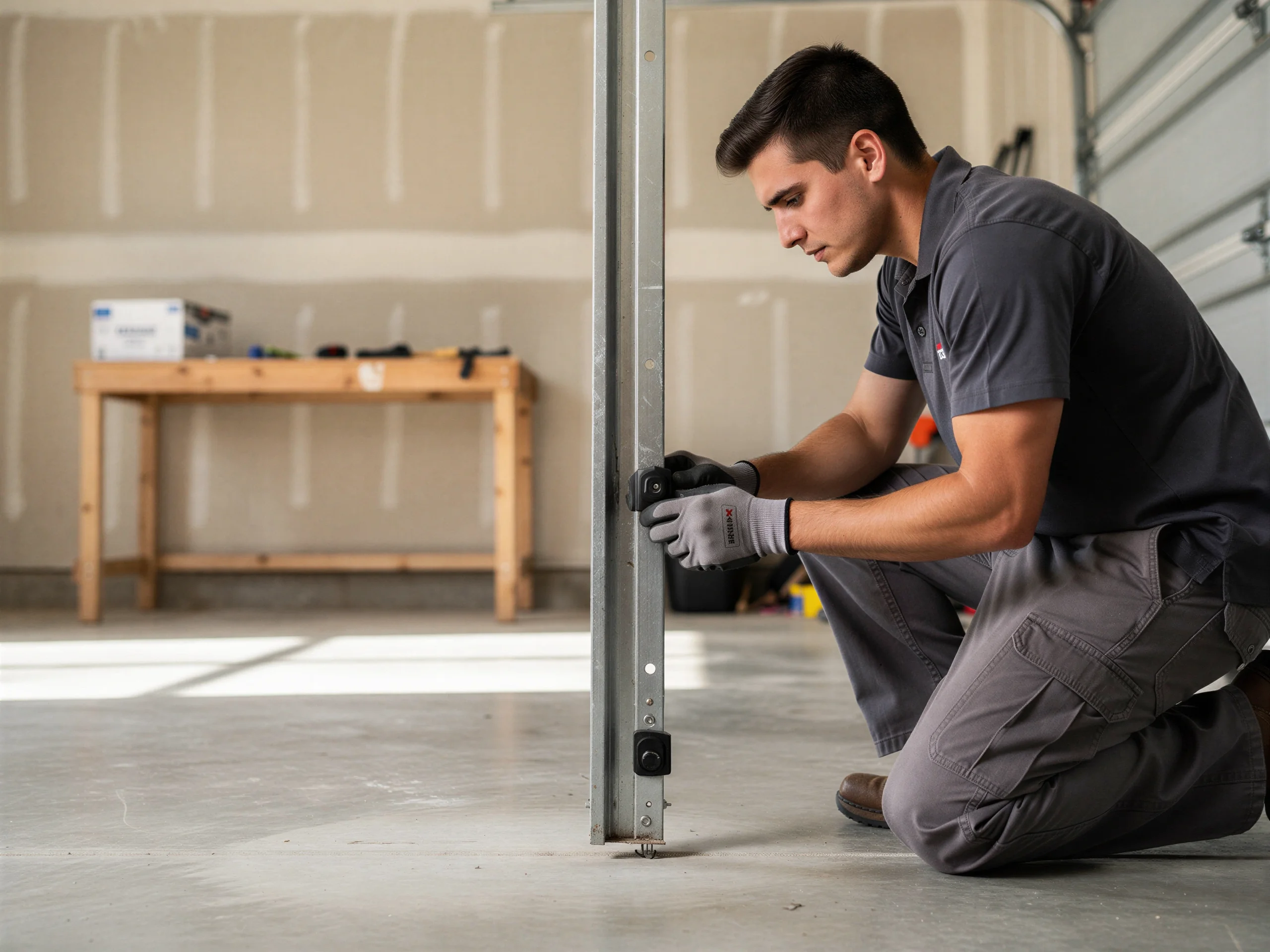
Swapping a remote battery, resetting the travel limits, or clearing the photo-eye sensors of dust - those are fine to try yourself and solve more opener calls than people expect.
Logic board off-limits
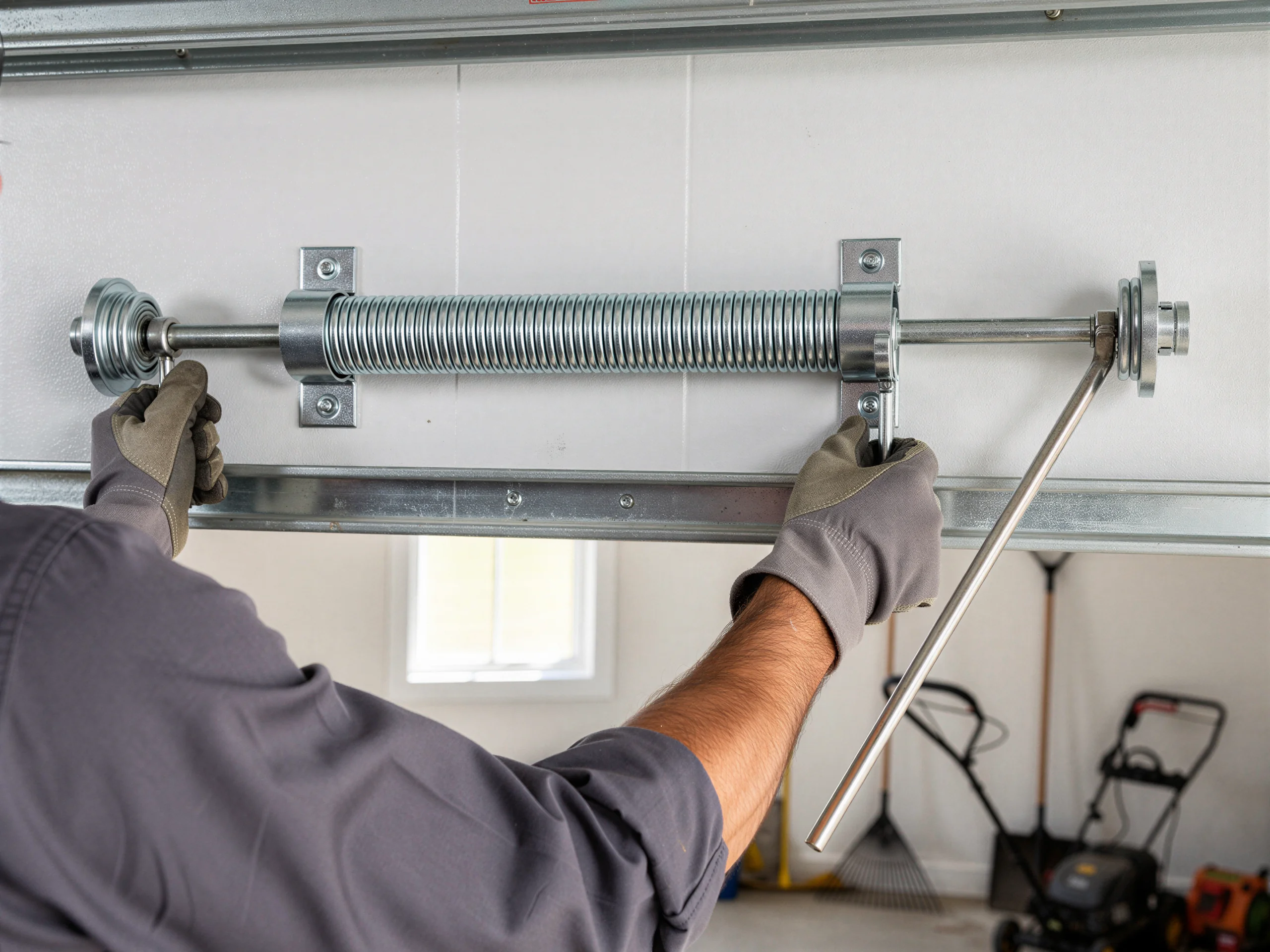
What isn't a DIY job is anything involving the motor housing, the logic board, or the drive gear assembly, because those carry spring tension and electrical load that aren't forgiving of a wrong move.
Replace vintage openers
If your opener is original to a house built in the 1960s or 70s, our honest advice is usually to replace rather than chase parts for it - board stock for units that old is thin, and a new opener with a sealed board handles San Bernardino's summer heat cycling far better than patching the original one more time.
No repairs on lost causes
We won't sell a repair on a unit that's not worth repairing. If you're not sure which category yours falls into, that's a five-minute call, not a guess.
Talk to a local pro
Garage door service in San Bernardino?
Same-day service with honest, upfront quotes.