 Garage Door Repair Built Around San Bernardino's Housing Stock
Serving San Bernardino's 1958-1996 housing stock, from Shandin Hills to Verdemont.
What San Bernardino's 1970s Housing Stock Means for Your Garage Door
San Bernardino homes built 1958-1996 need garage door repairs that match original torsion hardware and heat-cracked panels, not generic one-size fixes.
Local detail
When It Stops Being a DIY Job
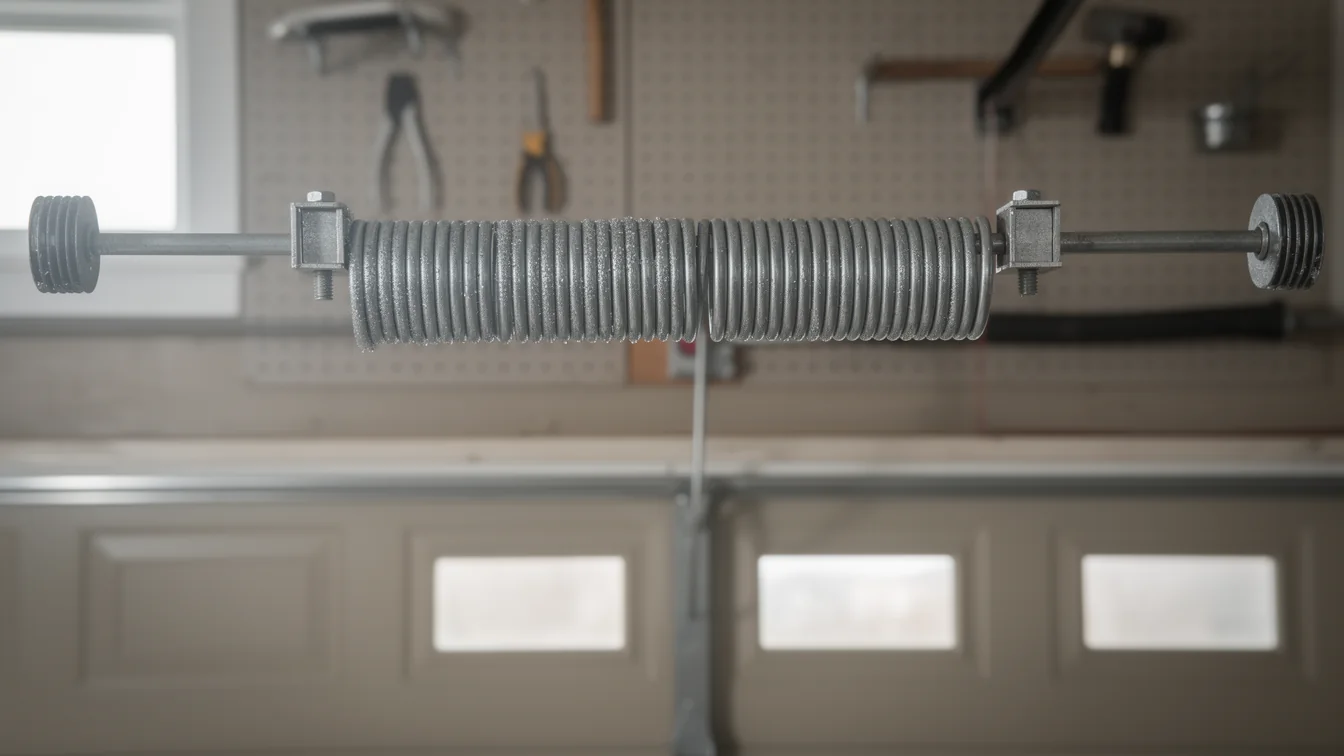
Most houses on the San Bernardino side of this service area went up between 1958 and 1996, with the median landing around 1979. That matters more than people think. A door that won't budge on a house from that era is usually fighting original torsion hardware, not a worn-out opener. If the spring is original, it's lived through close to fifty years of heat cycling, and a DIY spring swap on that kind of door is how people lose fingers.
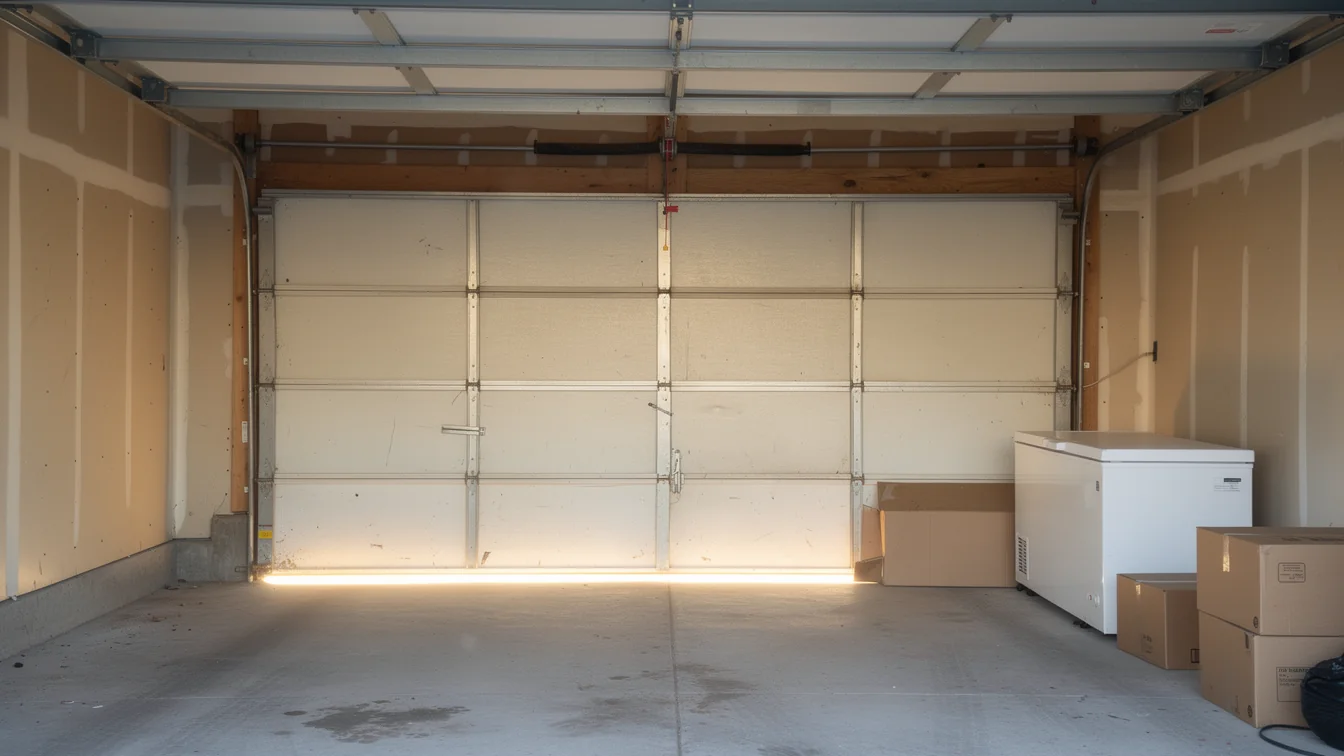
These are also doors on houses built before insulation rules required foam-core panels or thermal breaks. A lot of them are single-layer steel, which is light enough to seem like an easy panel swap until you realize the track and rollers were sized for that lighter door and a mismatched replacement panel throws the whole balance off. If the bottom panel is rusted through at the corners, or the door sags visibly when it's halfway up, that's past the point of a tightening job. Call for that. If it's a noisy roller or a loose bracket, that's still yours to handle with a wrench and twenty minutes. Know the difference before you're under a door that's held up by a cable you can't see is frayed.
The area
What the Weather Here Does to It
San Bernardino sits in a climate band classified as moderate heat exposure. That's not the same as the coastal towns an hour west, and it's not desert-extreme either, but it's enough that steel doors and torsion springs here go through more expansion and contraction than a door in a cooler band ever sees. Metal doesn't like that. Over years, it's what makes a track bolt work loose a season earlier than it would somewhere milder, and it's what fatigues a spring faster than its rated cycle count suggests.
For the pre-1996 housing stock that dominates this area, the effect compounds. A single-layer steel panel with no thermal break transfers heat straight through to the garage interior, and the door itself absorbs more of that daily heat swing than an insulated door would. You'll see it show up as a slightly warped panel on a west-facing door, or as a spring that starts making a ticking noise on hot afternoons before it ever breaks. None of that means you need a new door every five years. It does mean a door built in 1979 for a 1979 climate expectation is working harder now than its original hardware was sized for.
What we find
The Situation
This shop covers a wide spread of neighborhoods, and the housing tells a consistent story across almost all of them. From Shandin Hills a mile to the northwest, through Verdemont, North Park, and the Del Rosa area, down to Perris Hills and Feldheym closer in, the stock is overwhelmingly 1960s and 1970s construction. Head out toward Muscoy, Rialto, or Colton, six to six miles out, and you're in the same build era. Even the farther edges of the territory - Yucaipa at sixteen miles, Oak Hills at eighteen, Calimesa at seventeen - sit on the same general timeline of growth that put up most of this area's garages.
Across the 153,214 households in this service area, 86,867 are owner-occupied houses, and a large share of those garages have never had the door replaced since the house was built. That's not a guess about any one street - it's the scale of the original-equipment problem here. A call about a stuck door in Grand Terrace and a call about one in Bloomington are, more often than not, the same repair on the same vintage of hardware, just a few miles apart.
How we work
What You Pay
The median household income across this service area is $84,594, and that figure matters for one practical reason: it's usually the line that decides whether a repair makes sense or a full replacement does. On a door from the 1960s or 70s, parts for the original torsion hardware are getting harder to source, and sometimes a same-era spring or drum just isn't stocked anymore. When that happens, patching an old door can cost close to what a new insulated one runs, and at that point replacement is the better call, not the repair.
We don't have a flat number to quote you here - every job depends on what's actually broken, what the door is made of, and whether parts for that specific setup are easy to get or not. What we can tell you honestly: a leaking seal or a loose hinge is a small job. A broken torsion spring on a double door, especially an older one, is not something to guess the price of over the phone. The honest answer is we look at the door before we say a number, because guessing wrong on an old torsion setup helps nobody.
Questions
Common questions
How old is a typical garage door in San Bernardino?
Housing across this service area was mostly built between 1958 and 1996, with the median around 1979. That means a lot of garage doors still in service are original to the house, running on torsion hardware that's forty to sixty years old and wasn't built to current insulation standards.
Does the heat here actually damage garage doors?
San Bernardino falls in a moderate heat climate band, which means more daily expansion and contraction on steel panels and springs than a cooler area would see. Over decades that shows up as warped single-layer panels, loosened track bolts, and springs that fatigue a bit earlier than their rated cycle life.
Should I repair or replace an original 1970s door?
It depends on what's broken and whether parts for that era are still available. Patching an old torsion setup can sometimes cost close to a new insulated door. We look at the specific door before giving you a number - there's no flat answer that fits every house on this timeline.
Recommendation
You Might Also Like
More garage door guides for San Bernardino homeowners.
Garage Door Repair Built Around San Bernardino's Housing Stock
Serving San Bernardino's 1958-1996 housing stock, from Shandin Hills to Verdemont.
 The Noises That Mean Something: A San Bernardino Homeowner's Guide
San Bernardino's 1960s-70s housing stock means specific noises point to specific parts.
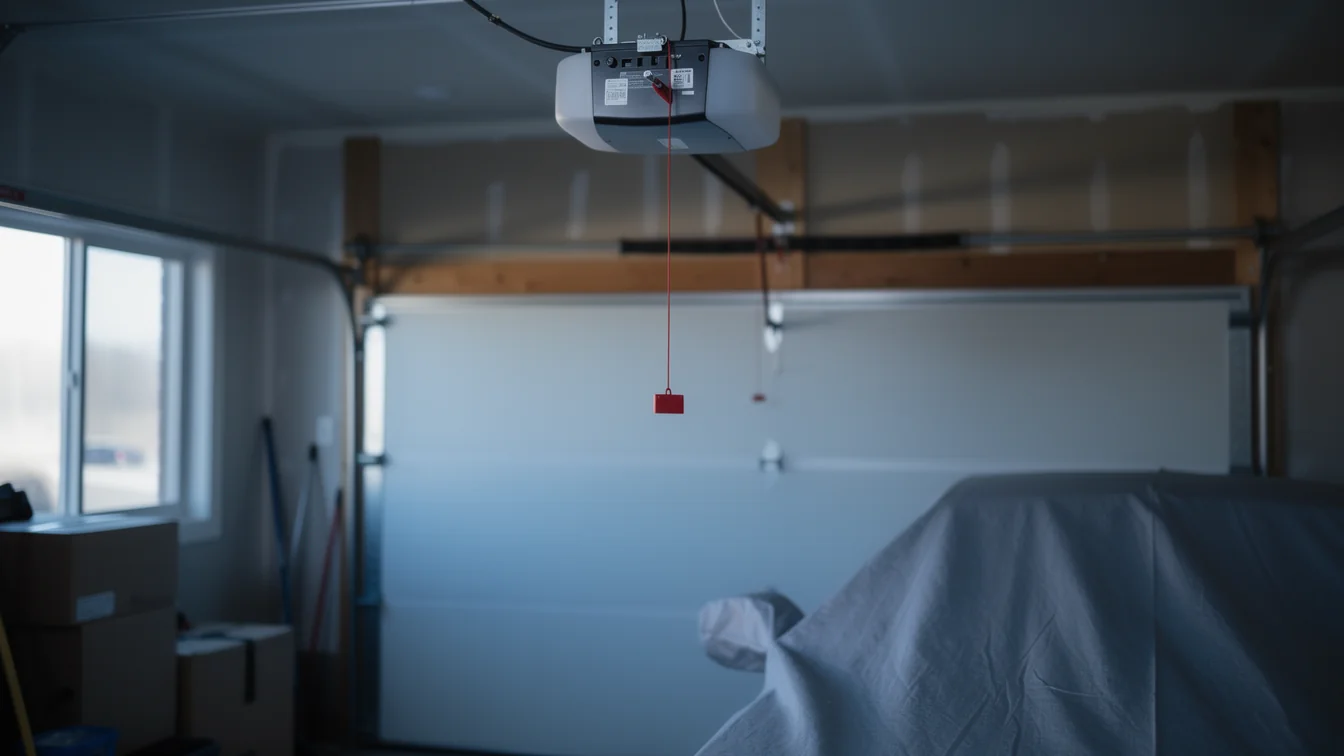 What Happens to Your Opener When the Power Cuts Out in San Bernardino
Most San Bernardino garage openers date to the 1960s-70s building boom.
Ready when you are
Need a garage door sorted in San Bernardino?
San Bernardino Garage Door Pros repairs and installs garage doors, springs and openers in San Bernardino, CA and the surrounding area.