 Garage Door Repair Built Around San Bernardino's Housing Stock
Serving San Bernardino's 1958-1996 housing stock, from Shandin Hills to Verdemont.
The Noises That Mean Something: A San Bernardino Homeowner's Guide
San Bernardino's 1960s-70s housing stock means specific noises point to specific parts. Here's what grinding, slamming, and squealing actually mean on these doors.
Local detail
When It Stops Being a DIY Job
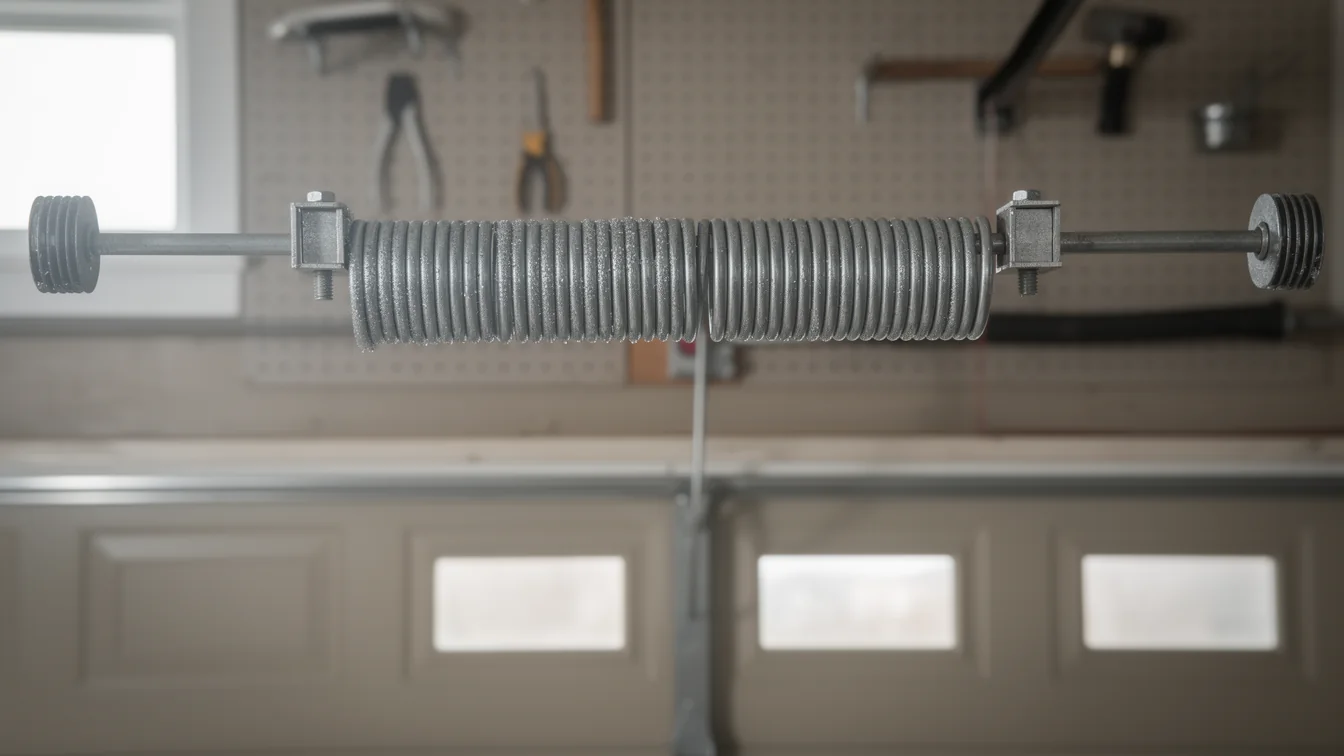
A squeak you can fix with a can of lithium grease on the rollers. A loud bang followed by the door refusing to move is a different animal - that's almost always a torsion spring letting go, and on the original hardware still found on houses built in this area's 1958-1996 window, that spring has usually never been replaced. Don't touch it. A broken spring under tension can do real damage to a hand.
Grinding when the door travels is usually a bent track or a roller that's worn through its bearing, both common once a door and its hardware pass the thirty-year mark, which a lot of San Bernardino doors already have given a median build year around 1979. A slow sag on one side, with the door running crooked in the track, points to a cable starting to fray off its drum.
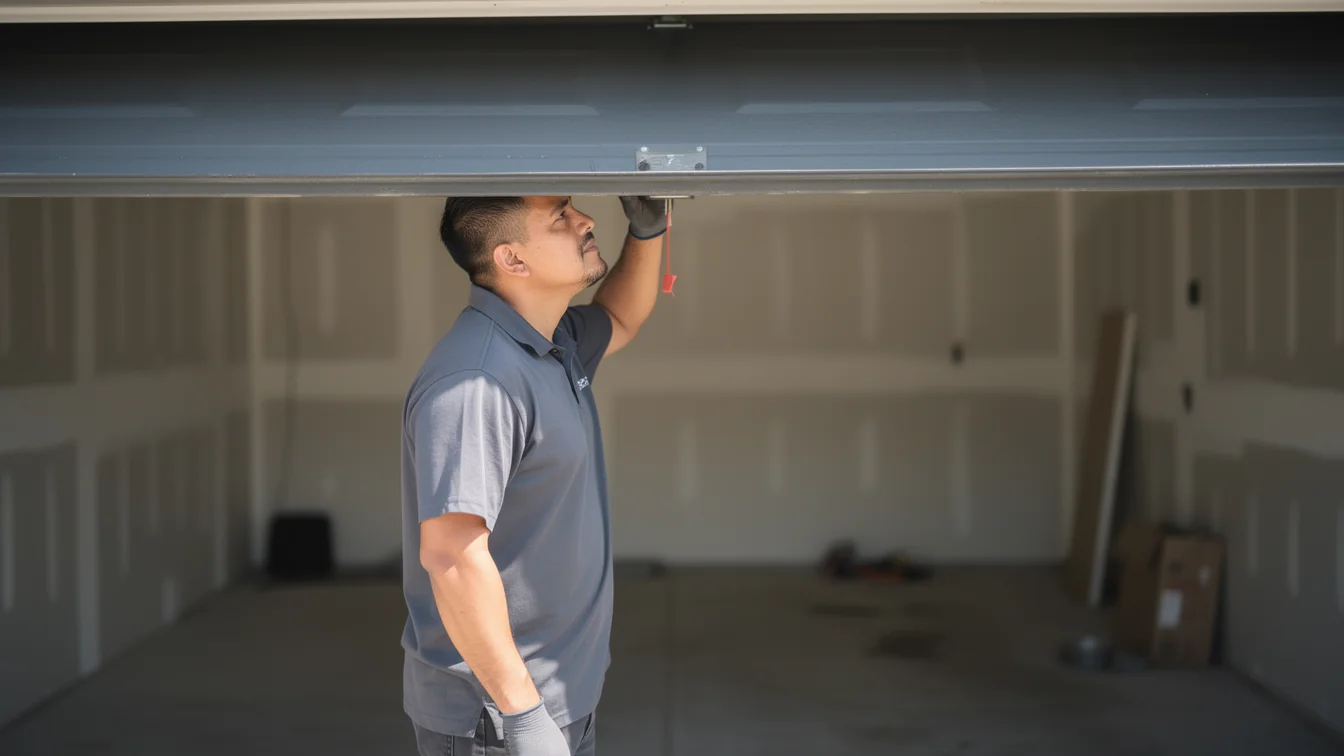
What you can safely check yourself: the photo-eye sensors near the floor, tightening visible hardware bolts, and listening for where in the cycle the noise happens. If it happens the instant the opener engages, that's the opener. If it happens as the door passes the halfway mark, that's spring tension. Anything involving the spring, the cable, or the high-tension side of the opener bracket is a call, not a weekend project.
The area
What the Weather Here Does to It
San Bernardino sits in a moderate-heat climate band, which is kinder to garage door hardware than the genuinely harsh desert zones not far east of here, but it isn't free of consequence. Repeated heat cycling on steel track and springs still dries out factory lubricant faster than it would in a cooler climate, and that shows up as a dry squeal on the extension or torsion spring well before any visible rust or wear.
On the 1960s and '70s stock that makes up most of the 16 named areas in this service territory, the steel gauge and spring coatings used back then weren't built for fifty-plus years of thermal cycling in the first place. That's less about any single heat event and more about accumulated expansion and contraction on hardware nobody's replaced since it was installed.
The honest limitation here: heat alone rarely breaks a door. It accelerates wear that was already happening - a spring near the end of its cycle count fails sooner in warm weather, but a new spring in good shape isn't going to snap just because of a hot week. If your door's noisy and it's also original to a house from this era, age is doing more of the work than the thermometer.
What we find
The Situation
Most of San Bernardino's housing went up between 1958 and 1996, with the median landing around 1979 - which means a large share of doors in the 16 named areas that make up this territory are either original equipment or a first-generation replacement from decades back. Houses a few miles out in Muscoy, Rialto, or Colton carry the same vintage stock, so the same symptoms show up on the same timeline across the whole area, not just within city limits.
That matters for diagnosis. A door that's original to a 1979-built house has had roughly forty-five years of cycles on springs that were never designed to last that long, and the torsion hardware from that era is often side-mounted in a style that newer parts don't always bolt straight onto. A noise that sounds minor on a ten-year-old door can mean the whole assembly is near the end of its service life on one this old.
We can't tell you which exact hardware era you've got without seeing it - side-mount torsion, center-mount, extension springs, and early opener brackets all sound different when they're failing, and a phone description only gets us so far.
How we work
What You Pay
We don't post flat prices here because the fix depends entirely on what's actually making the noise - a roller swap and a torsion spring replacement aren't in the same category, and neither is a full hardware upgrade on a door that's outlived its parts. What we can tell you is how we think about it on a call.
Across this service area, median household income runs around $84,594, and with 86,867 owner-occupied houses out of roughly 153,214 households total, a lot of the doors we're asked to look at are original to homes bought well before current owners moved in. On hardware that old, we'll tell you straight when a repair is a stopgap versus when replacing the spring set or the whole door is the better use of your money - patching a forty-year-old spring assembly piece by piece usually costs more over two years than doing it once.
The one thing we won't do is quote a number sight unseen over the phone for anything beyond a basic service call. Noise diagnosis needs eyes on the hardware.
Questions
Common questions
My garage door bangs loudly once and then won't open. What is that?
That's almost certainly a broken torsion spring, which is common on original hardware from houses built in the 1958-1996 range common across San Bernardino. Don't try to force the door open or disconnect the opener - the spring is under heavy tension even when broken. Call it in and keep the door down until someone looks at it.
Why does my door only squeal in the afternoon?
Heat cycling in San Bernardino's moderate-heat climate dries out old grease on the rollers and spring coils faster in the warmer part of the day. It's usually not dangerous, just due for lubrication, but if the squeal has been going on for months it's worth checking the spring's overall condition rather than just oiling around it.
Is it worth repairing an original door from the 1970s or should I replace it?
Depends what's failing. A worn roller or a single cable is a cheap fix on any door. But if you're replacing the spring, the opener, and track hardware all within a year or two on a forty-plus-year-old door, you're usually better off doing the whole thing once. We'll tell you honestly which category you're in.
Recommendation
You Might Also Like
More garage door guides for San Bernardino homeowners.
Garage Door Repair Built Around San Bernardino's Housing Stock
Serving San Bernardino's 1958-1996 housing stock, from Shandin Hills to Verdemont.
 What San Bernardino's 1970s Housing Stock Means for Your Garage Door
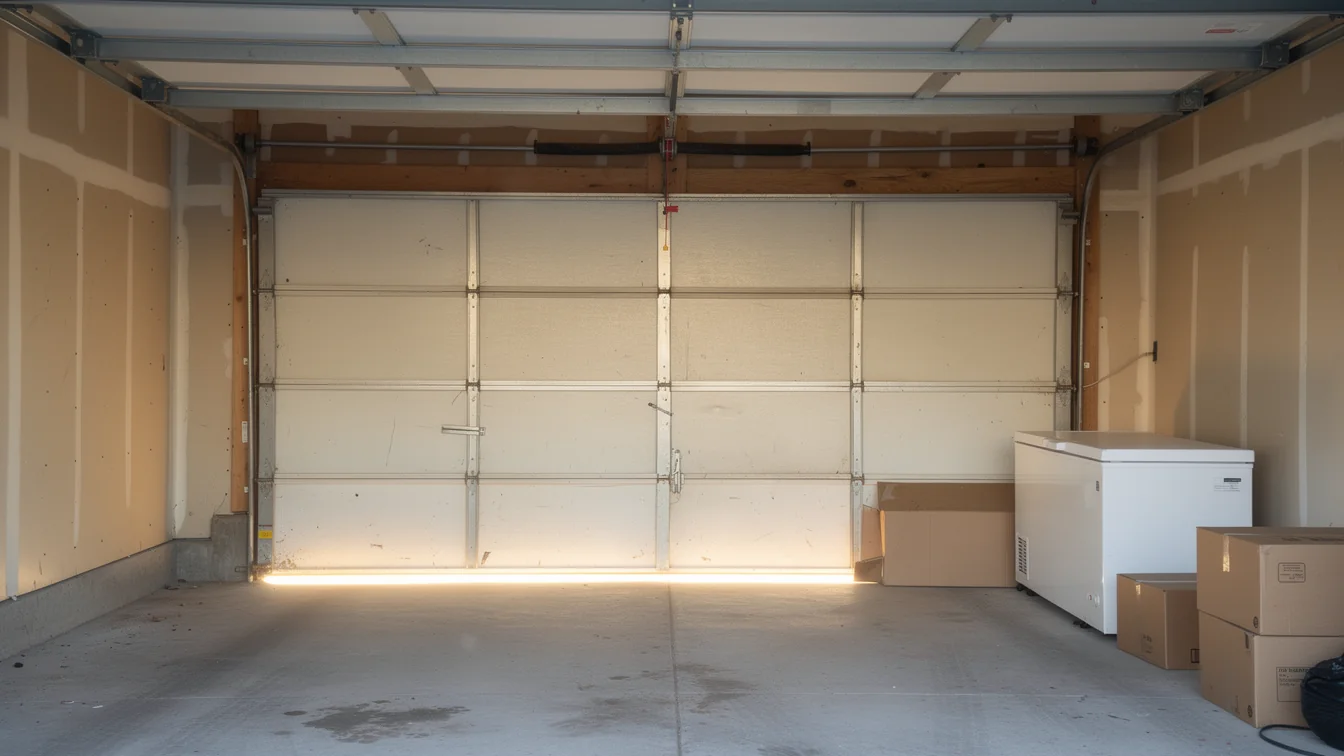
San Bernardino homes built 1958-1996 need garage door repairs that match original torsion hardware and heat-cracked panels, not generic one-size fixes.
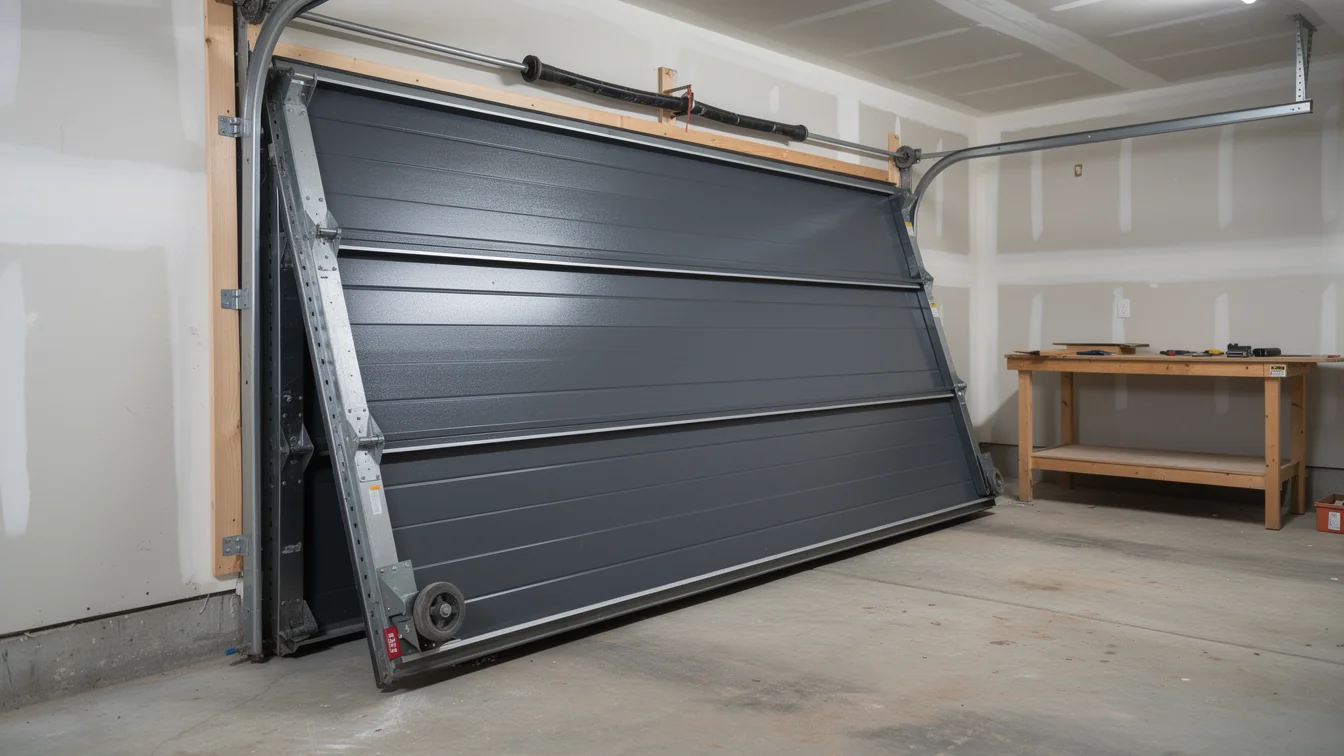 Off-Track Doors: What's Really Going On
A look at why garage doors slip off track in San Bernardino's older housing stock, how the local climate plays a role, and what it actually costs to fix.
Ready when you are
Need a garage door sorted in San Bernardino?
San Bernardino Garage Door Pros repairs and installs garage doors, springs and openers in San Bernardino, CA and the surrounding area.