How Long You Are Without the Door
Muscoy's houses carry a median build year of 1958, which puts this pocket at the front edge of the 1958-1996 range we see across the wider San Bernardino service area.
Extension-spring framing from 1958
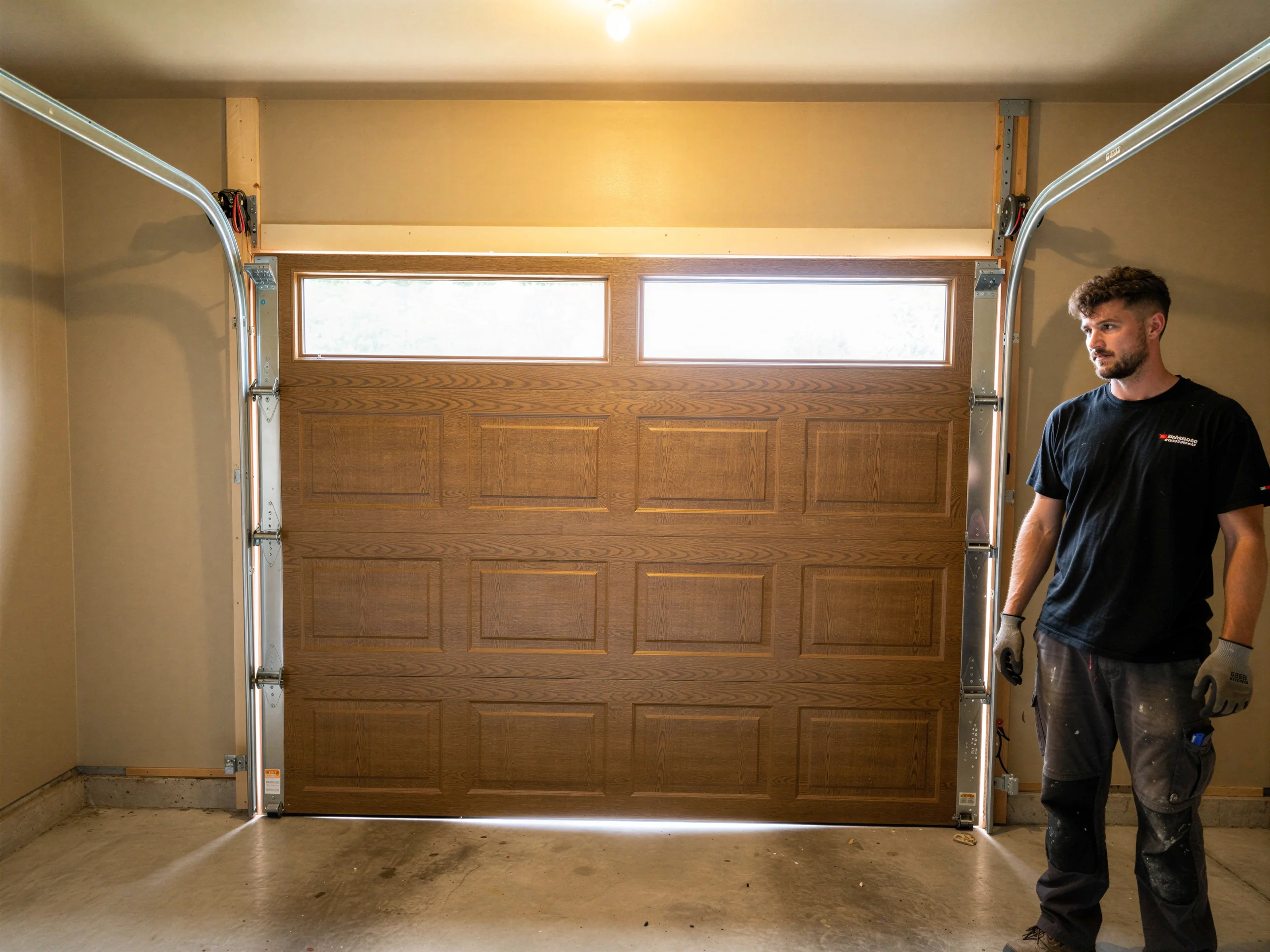
That matters for how long a repair stretches out. A house built in 1958 was very likely framed for a single-panel door on extension springs, not the torsion setup that became standard later in that range.
Confirming header before timeline
If your spring or drum is original or a direct match to it, the part isn't sitting on a shelf at every supply house - we have to confirm what's actually on the header before we say when we can get out there.
Sourcing older-door hardware
We run this call from San Bernardino, about 3 miles off, so travel isn't the delay. The delay, when there is one, is sourcing hardware sized for a door older than most of the stock around it. We'll tell you straight on the phone whether it's a same-trip fix or a one that needs a part ordered first.
What You Pay
Muscoy's median household income sits at $57,726, noticeably under the $84,594 median across the broader service area. We don't price by zip code and we're not going to pretend a 1958 house costs the same to fix as a house built in the 1980s with torsion hardware everyone stocks - sometimes it costs less because the job is simpler, sometimes more because the part is harder to find. With roughly 2,511 households in Muscoy, most on older single-panel or early sectional doors, what drives the number is almost always the spring and drum setup, not the brand of opener. We'll give you the number for your actual door before we start, not a range that assumes a newer system.
What the Repair Takes
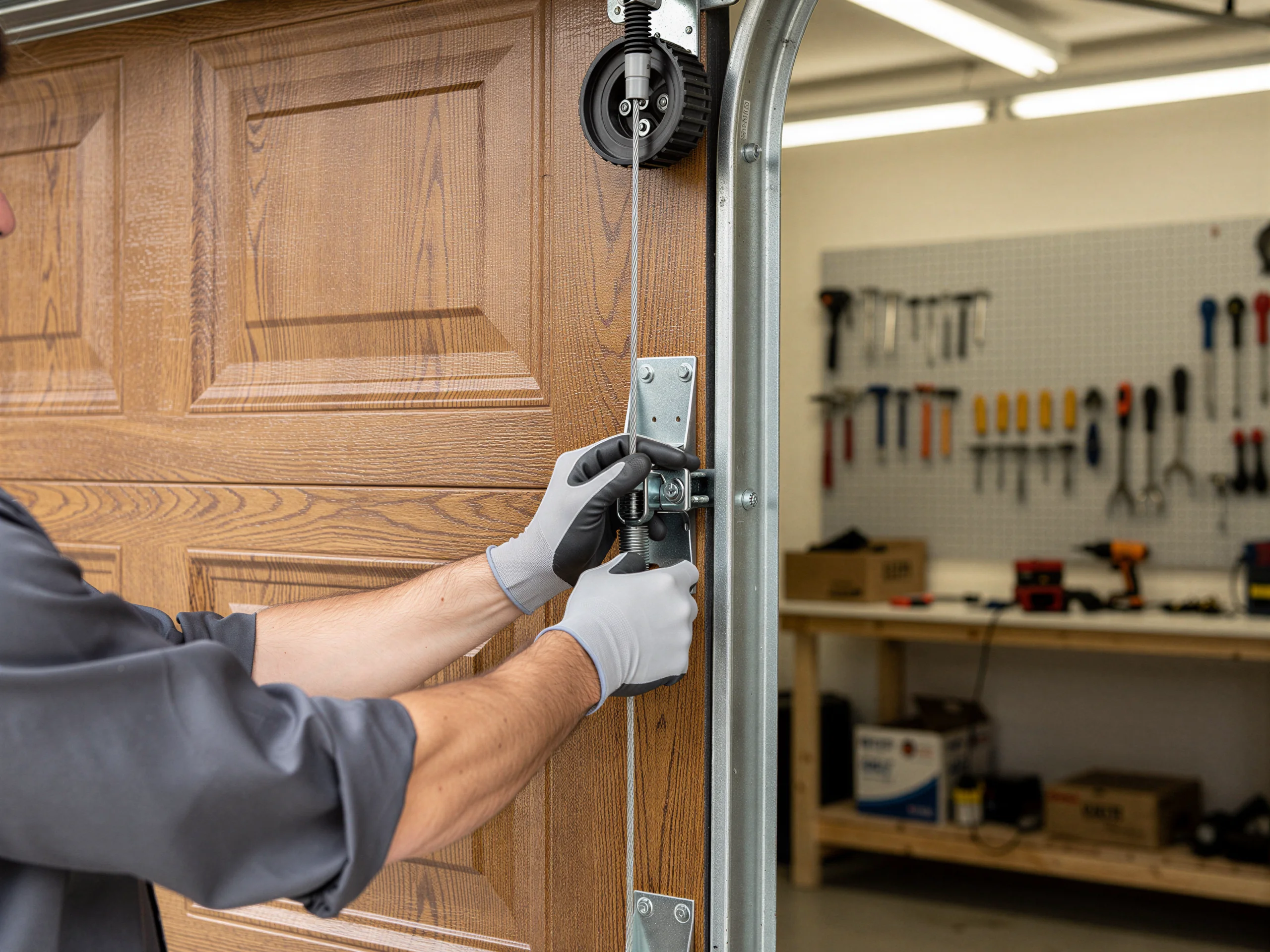
On a 1958-era door the usual failure is a snapped extension spring or a worn cable on the original drum - hardware that predates the torsion-spring-over-the-header design most newer doors use.
Extension spring safety
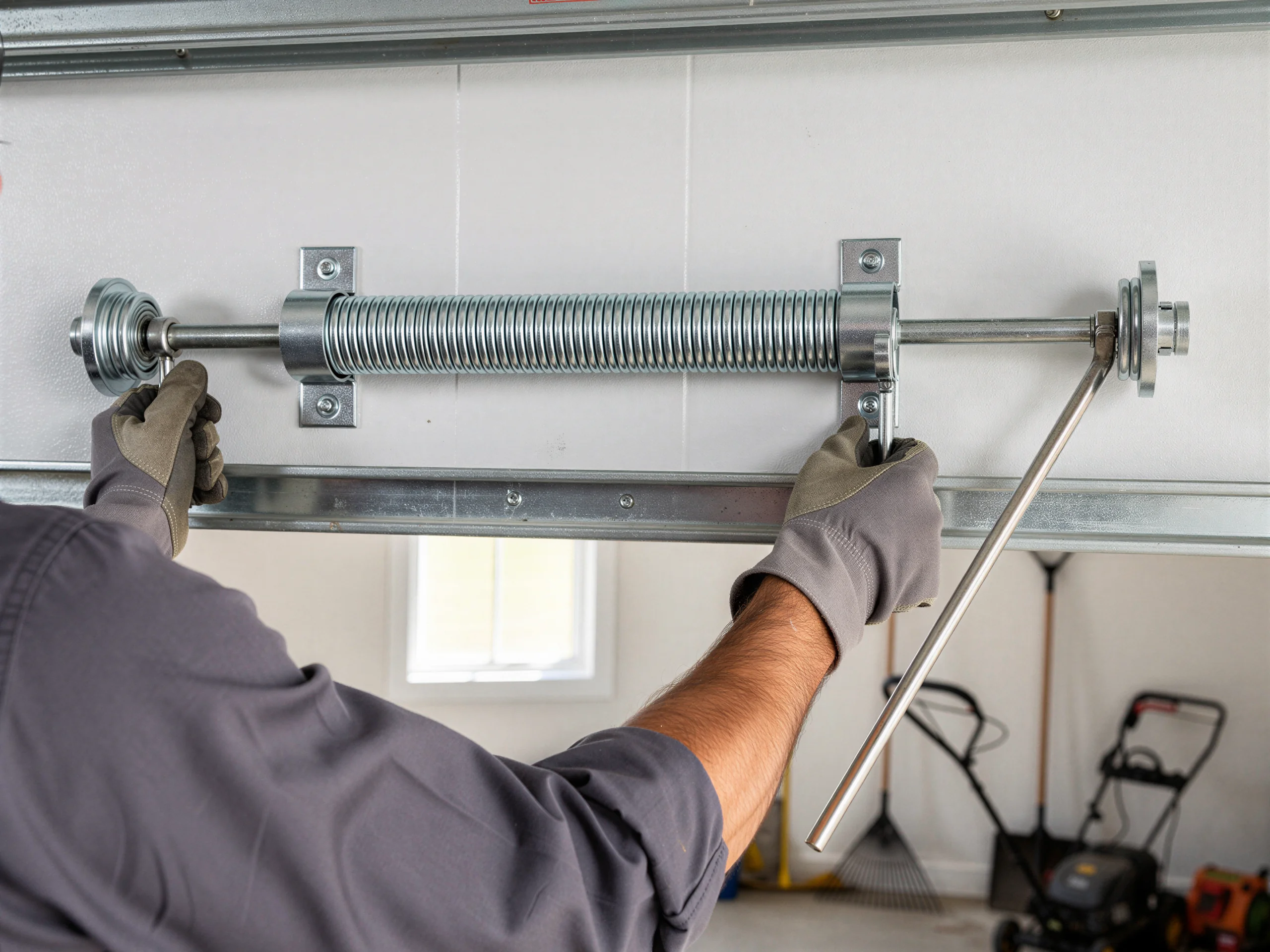
Swapping an extension spring is a controlled job: we unload the door carefully, because these older systems don't have the safety cable that's been standard on torsion setups for decades, and a spring under tension with no backup cable is not something to rush.
Truing bent track
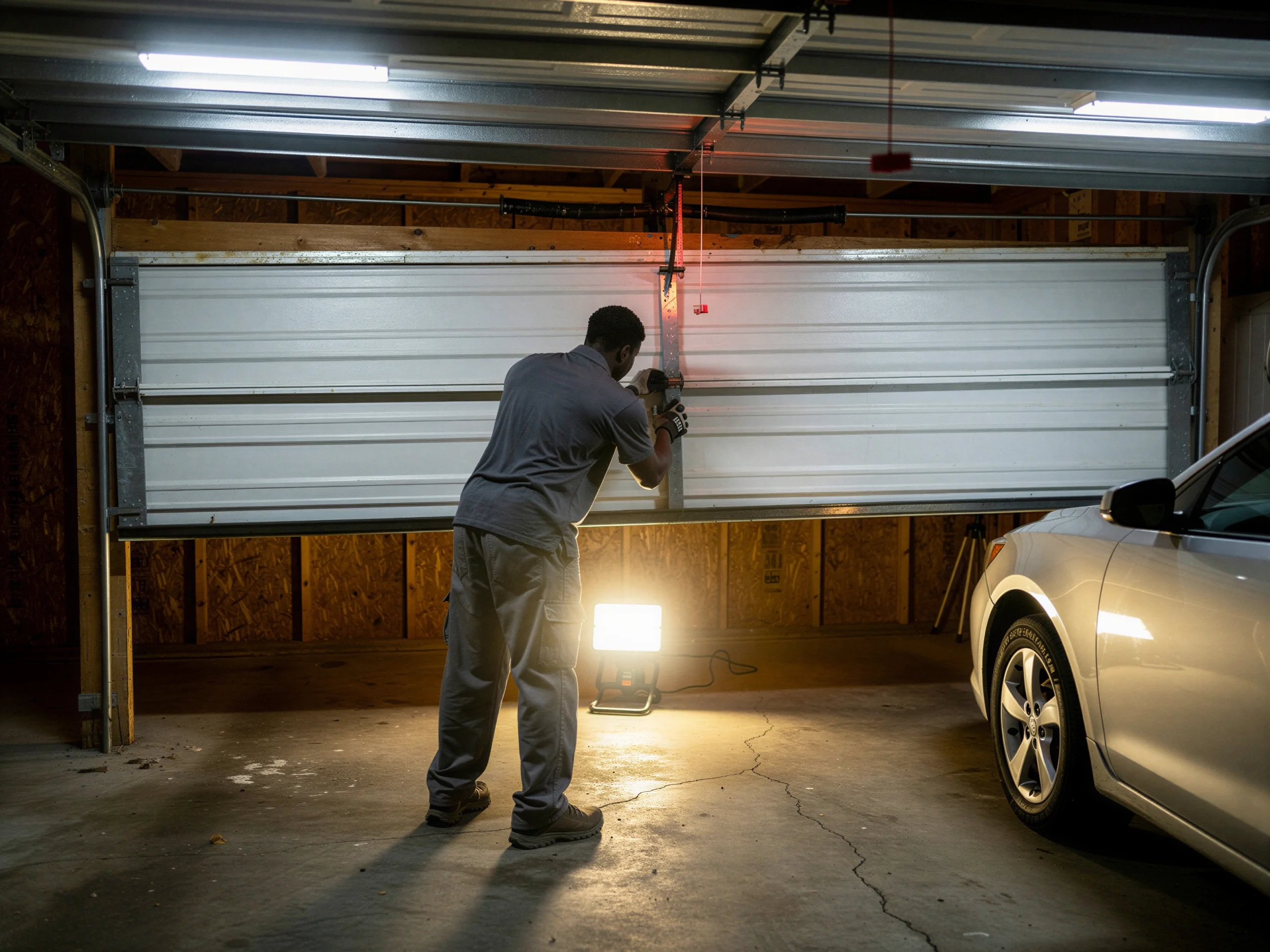
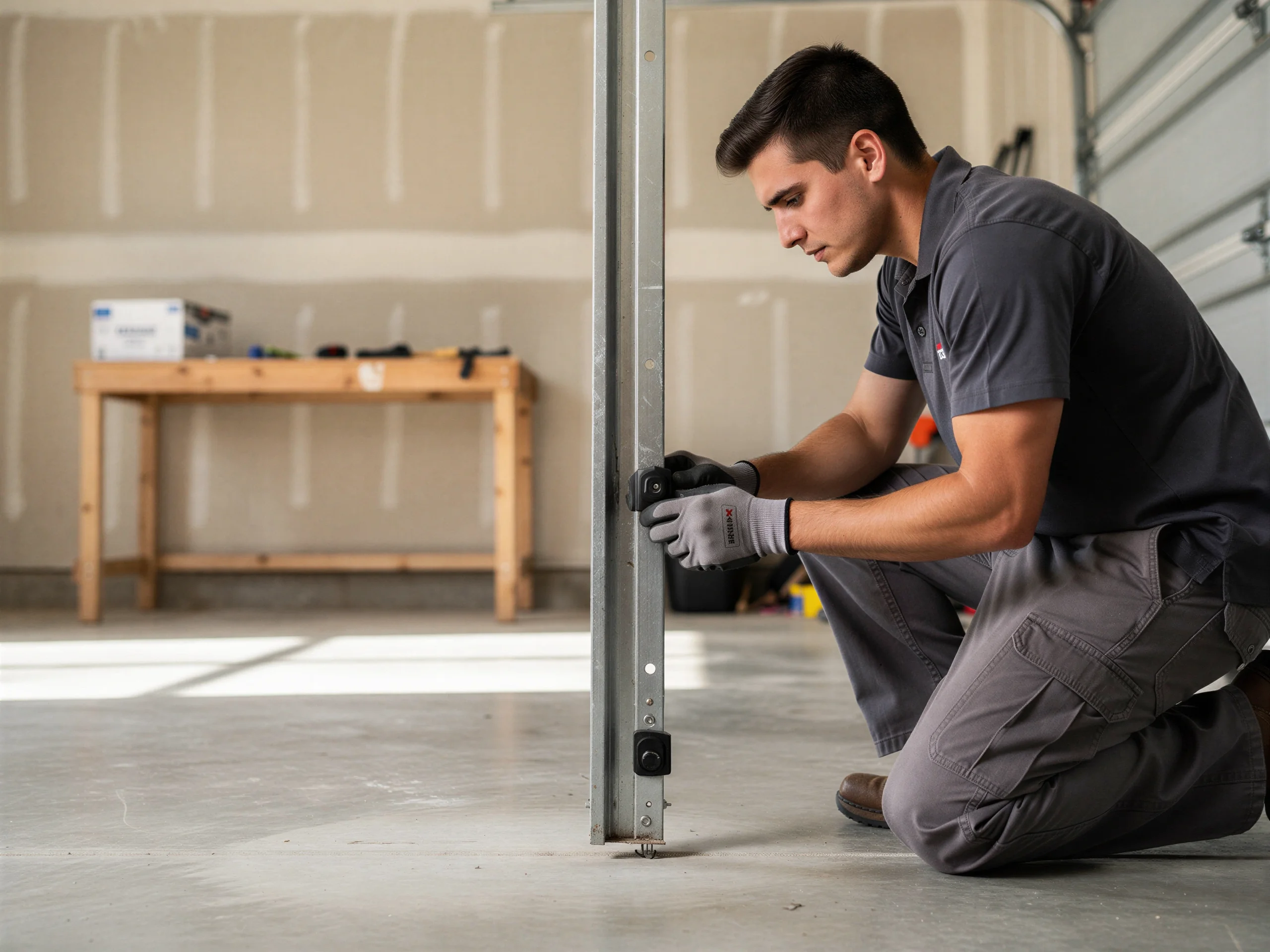
If the track or hinges have been bent from years of a door that's a little undersized for the opening - common in houses this age - we true that up as part of the same call rather than leave it to fail again in six months. Most single-door jobs here run an hour or two once we're on site with the right part.
The DIY Question
An extension spring job looks simple from a YouTube video shot on a 1990s door, and it is not simple on a door this old. The spring is shorter, the drum is a different diameter, and the safety cable you'll see in most tutorials may not be there at all on a house built in 1958. We won't talk anyone through doing this one themselves - that's the honest limit here. Lubricating hinges, tightening loose track bolts, testing the auto-reverse with a 2x4 under the door: fine, do those yourself. Touching a loaded spring or drum on original hardware is the one thing we tell every caller in this part of the service area to leave to us.
What Can Go Wrong
The climate here runs moderate on heat exposure, so we're not chasing the kind of extreme-heat lubricant breakdown you'd see further out toward the desert side of the service area - that's not Muscoy's problem. The problem is age. A 65-plus-year-old drum can be worn enough that a new spring just transfers the stress to the next weak point, usually the cable or the roller track. We've also seen openers bolted onto doors that were never rebalanced after a spring swap years back, which burns out the motor early. If your door is original from 1958 and hasn't been serviced, don't be surprised if what looks like a spring call turns into a conversation about whether the whole door is worth replacing instead of patching again.
Talk to a local pro
Garage door service in San Bernardino?
Same-day service with honest, upfront quotes.