How Long You Are Without the Door
Muscoy's housing stock centers on 1958, which puts a lot of these garages ahead of the torsion-spring standard that took over most of the area by the 1970s and 80s (median 1979 across the wider service area, per F1).
Single torsion versus extension pairs
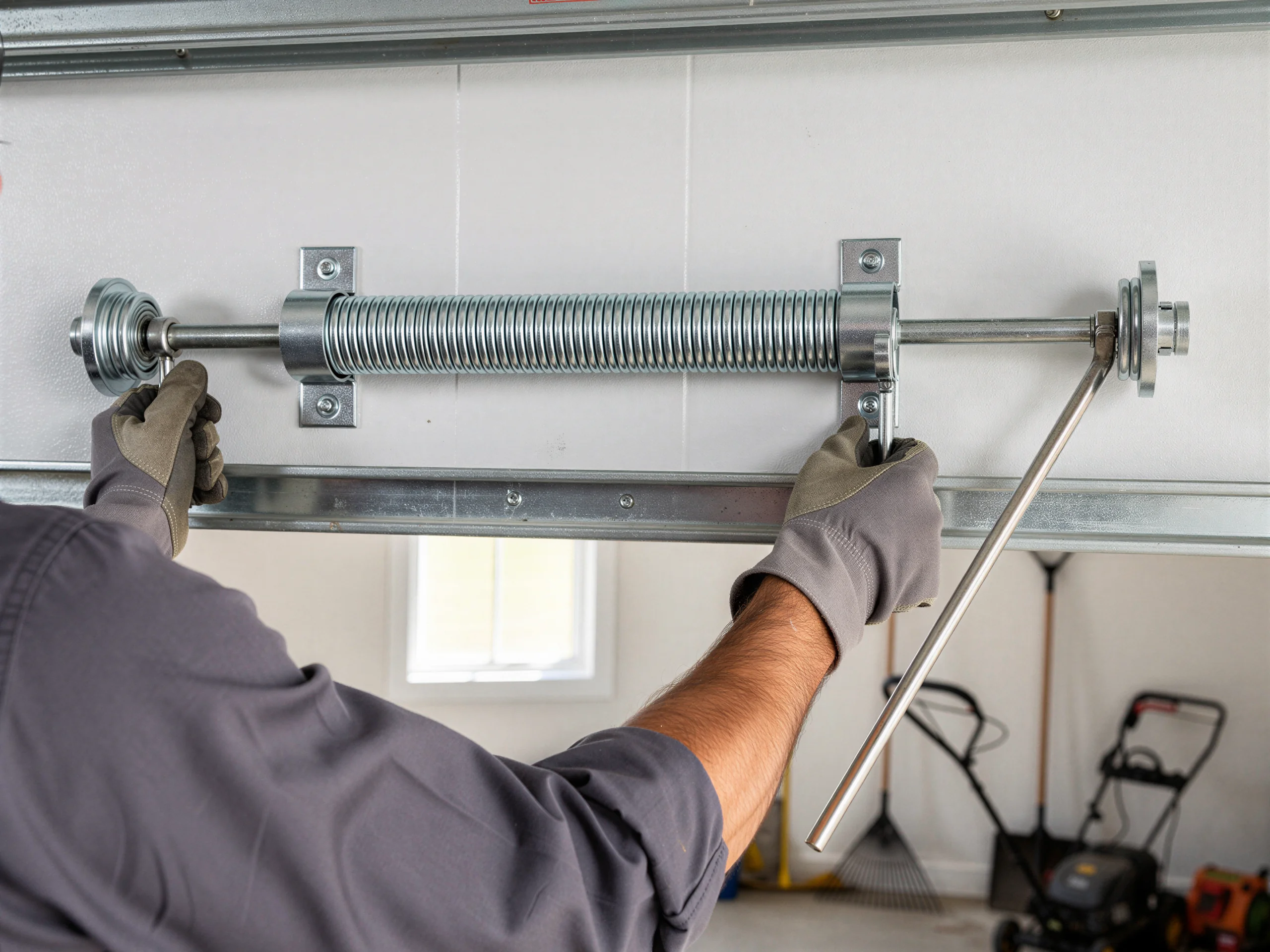
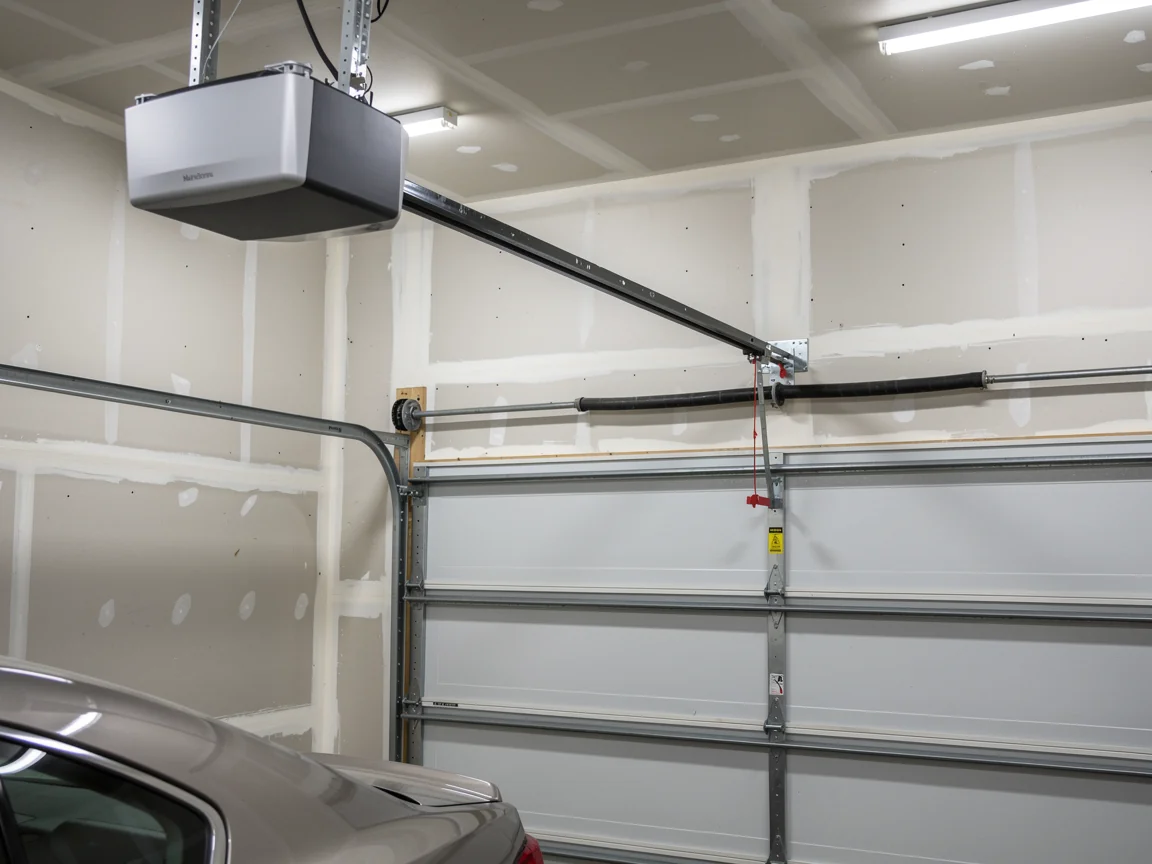
That earlier build often means a single torsion spring over a narrower double door, or in some cases a pair of extension springs running along the horizontal tracks instead. Either setup fails the same way a newer one does - a loud bang, the door stuck halfway, or a door that won't budge off the floor - but the parts aren't always sitting on a standard truck shelf the way current torsion stock is.
Matching older spring diameter
We run this job out of San Bernardino, about 3 miles from Muscoy, so travel time isn't the bottleneck. What can add time is matching an older spring diameter and wind to the drum or pulley already on the door, especially on a 1958-era opening that's never been upgraded.
Undersized original spring specs
If the hardware is original and undersized by today's standard, we may need to source a spring built to that older spec rather than grab one off the shelf. We'll tell you on site whether that's the case before we start, not after.
What You Pay
Spring cost depends on whether the door takes one torsion spring, two, or a pair of extension springs - and on how far off-standard the original hardware is.
Muscoy income context
Muscoy's median household income sits at $57,726, noticeably below the $84,594 median across the broader service area, and we price the job on what's actually broken, not on a flat suburb rate.
Torsion versus extension cost gap
A single torsion spring swap on a door that's already been updated to torsion hardware is a different job, and a different cost, than replacing a pair of extension springs on original 1958 track. We won't quote a number here because it depends on the spring you've actually got, and on a door this old that's not something we guess over the phone.
Special-order spring pricing
We'll open the garage, measure the spring, check the drum and the cable condition, and give you the number before any work starts. If the hardware is original and a spring needs to be special-ordered rather than pulled from stock, that adds to the bill and we'll say so up front.
What the Repair Takes
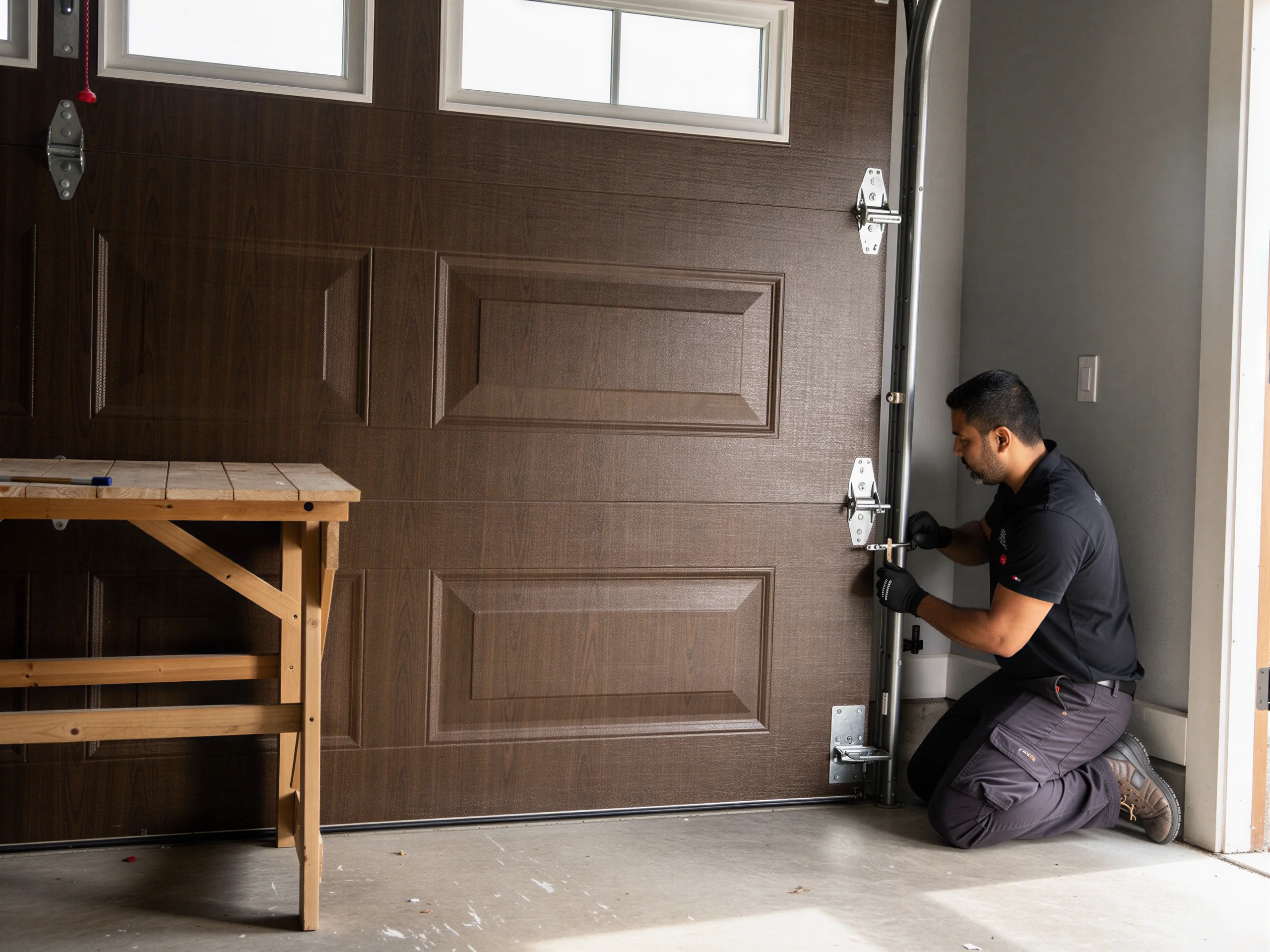
Replacing a torsion spring on a door with original 1958-era hardware takes longer than the same swap on a newer setup, mainly because we're often re-torquing hardware that hasn't been touched in decades.
Seized bearing plates and brackets
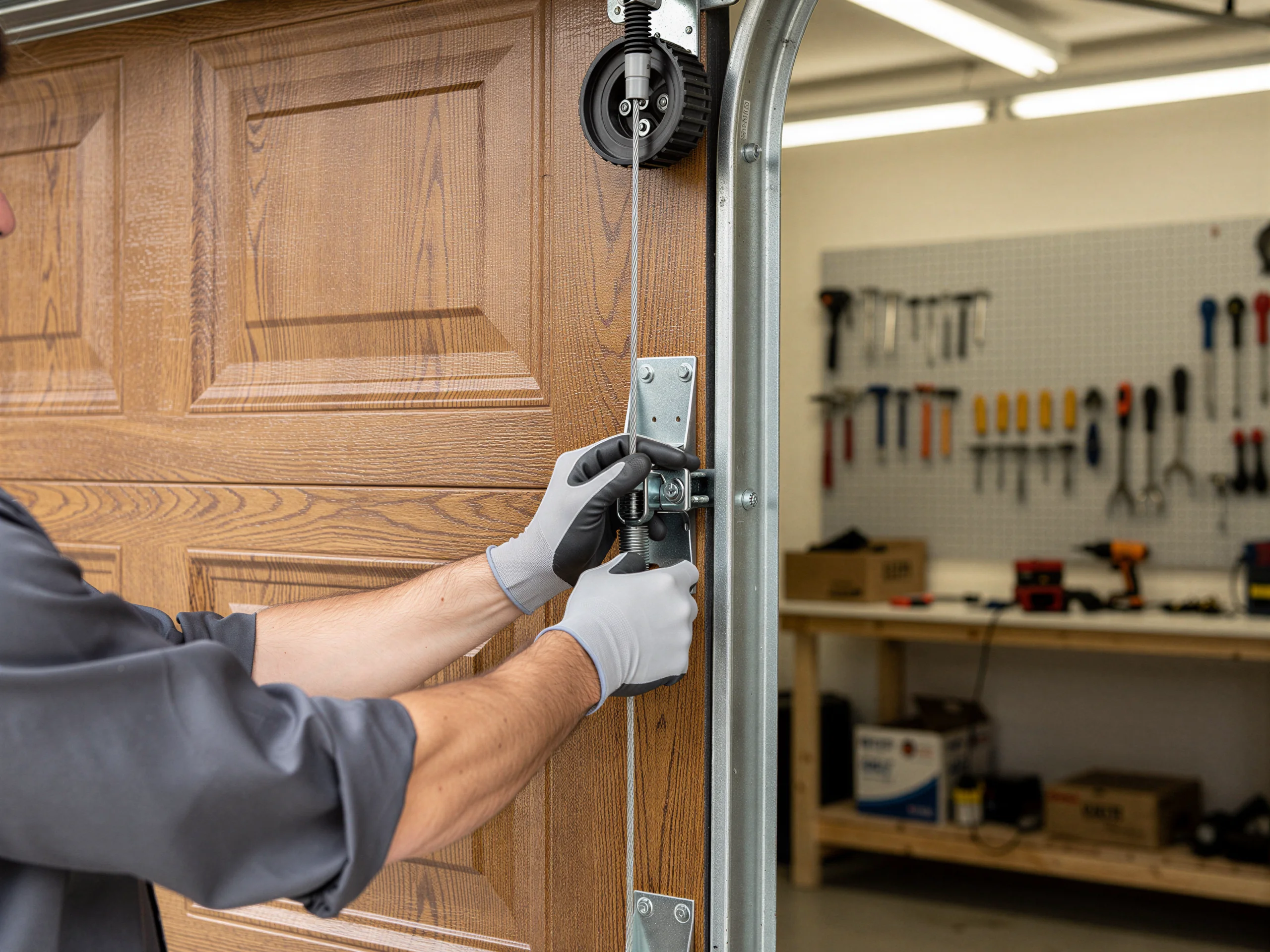
Bearing plates seize, end brackets rust to the header, and the winding cone itself can be a size that newer bars don't fit cleanly. On an extension-spring door, the job shifts to the horizontal track pulleys and safety cables instead of a winding bar at all - a different risk profile, and one that needs a different kind of care if the door's never had the cables inspected.
Full cycle balance testing
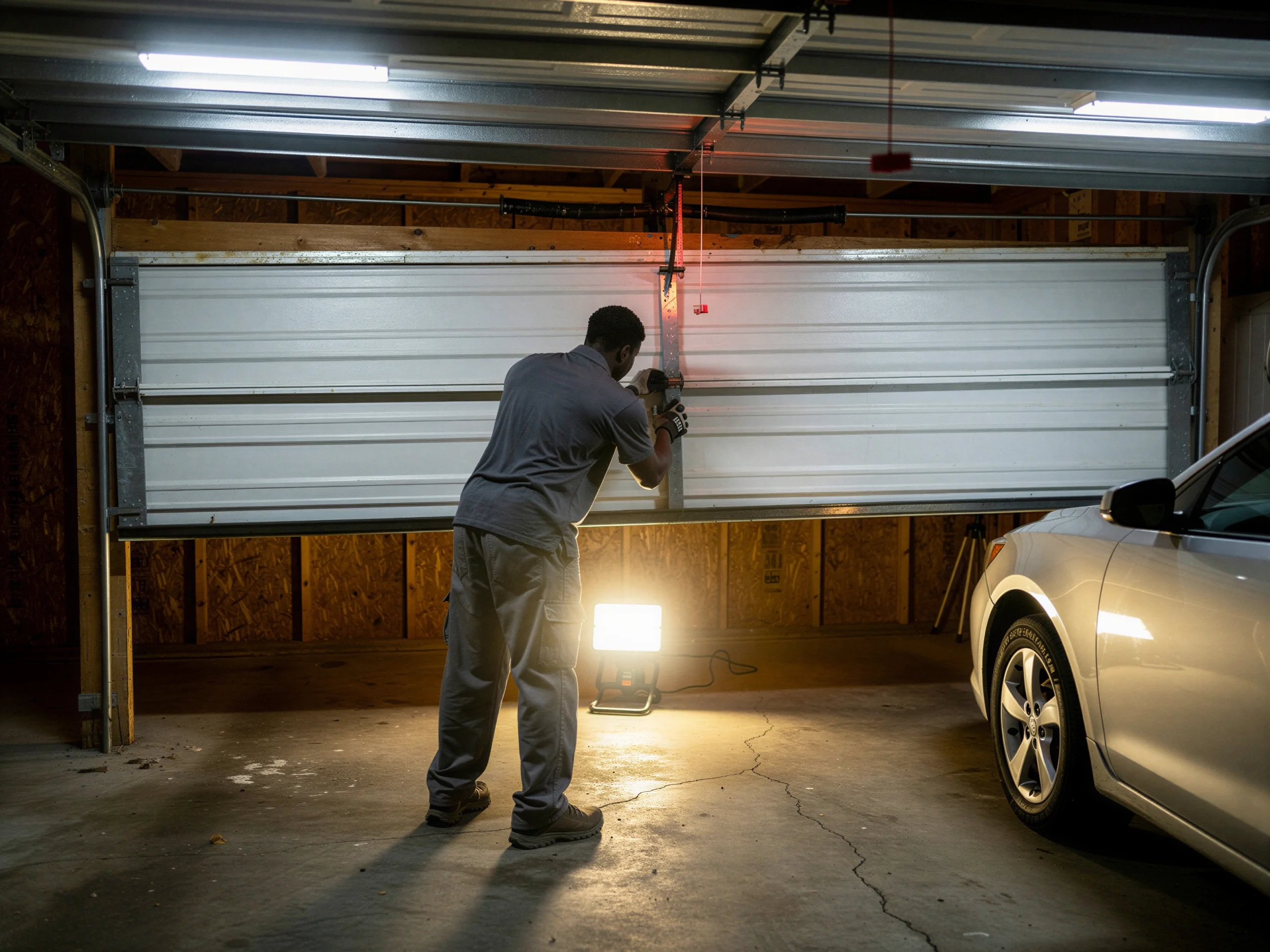
We test the door through a full open-close cycle after the spring goes in, checking balance and making sure the opener (if there is one) isn't fighting a door that's still slightly heavy on one side.
Balance drift before breakage
On a door this old, balance is often off before the spring even breaks, because the track or rollers have worn unevenly over 65-plus years. We'll flag that separately if we see it, since a new spring won't fix a bent track.
The DIY Question
A torsion spring under tension can put you in the emergency room if the winding bar slips, and that risk doesn't go down on an older door - if anything it goes up, because the hardware holding that tension has had longer to corrode.
Extension springs whip violently
Extension springs carry less stored energy than torsion, but a snapped one without a safety cable installed can still whip hard enough to break a window or a windshield, and a lot of original 1958 installs went up before safety cables were standard equipment.
Check for safety cables
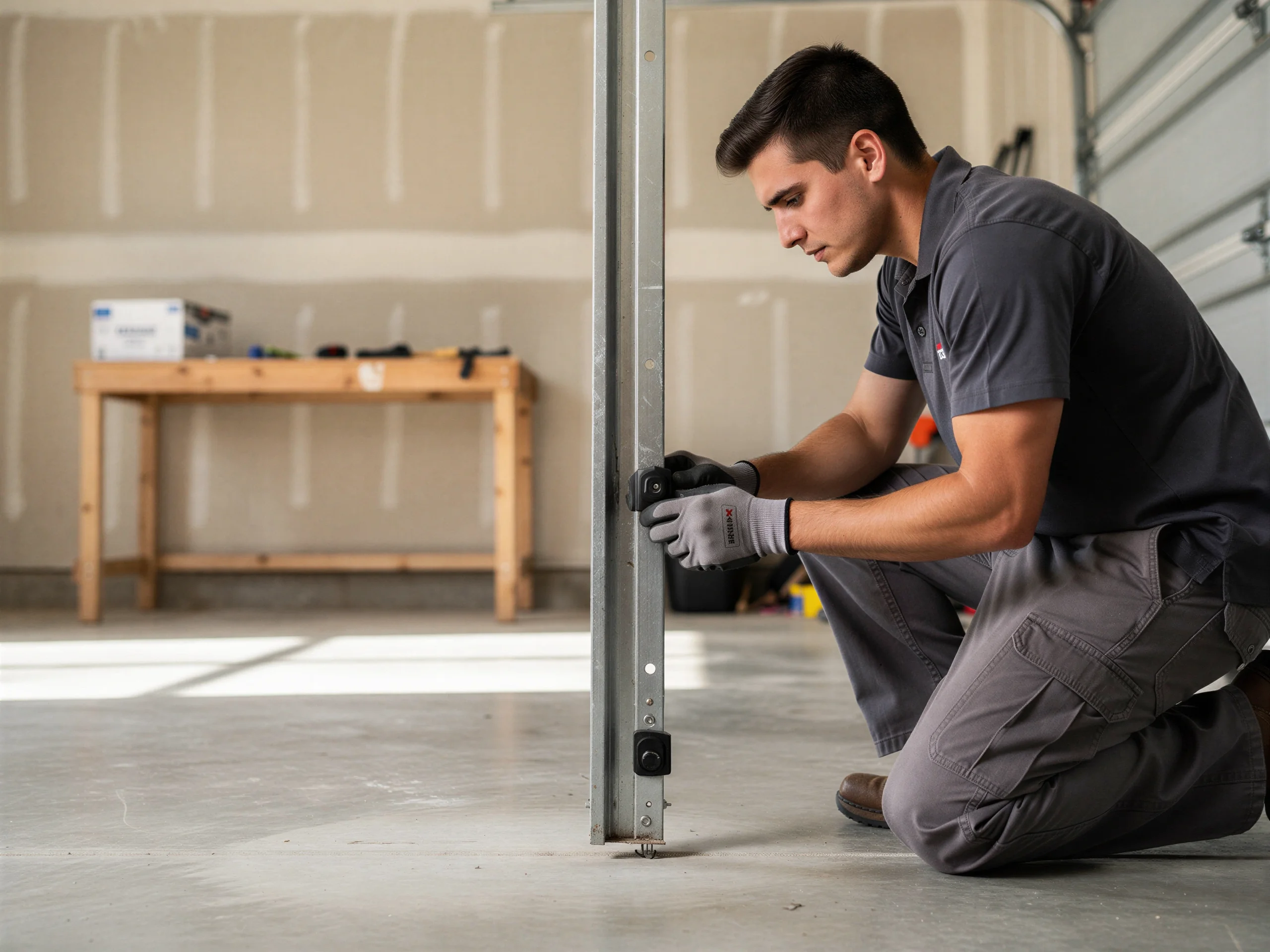
If your door has no safety cables running through the extension springs, that's worth knowing regardless of who does the repair, and it's not a hard thing to check yourself - look along the horizontal track for a cable threaded through each spring.
Torsion tension stays pro-only
What isn't a DIY job is winding or unwinding torsion spring tension, on any door, any era. That's the one place we'd rather you call than try it, because the failure mode there is sudden and it's not a trip to the hardware store, it's a trip to the hospital.
What Can Go Wrong
On a door built around 1958, the spring rarely fails alone. Rust on an original end bearing can seize the shaft so the new spring never turns freely, and that shows up as a door that's heavy again within weeks of a repair that looked fine on day one. Extension-spring doors without safety cables are the other recurring issue we see on housing from this era - the spring itself might be fine, but the cable that should contain it if it ever does snap was never added.
We don't replace a spring and ignore what's around it. If the drum, cable, or bearing plate is worn past the point where a new spring will hold properly, we'll say so rather than send you off with a repair that fails again in a month. One limitation worth naming: if the opening itself is out of square or the track is bent from decades of settling, that's a structural fix beyond spring work, and we'll tell you when a problem needs more than the spring to actually solve it.
Talk to a local pro
Garage door service in San Bernardino?
Same-day service with honest, upfront quotes.