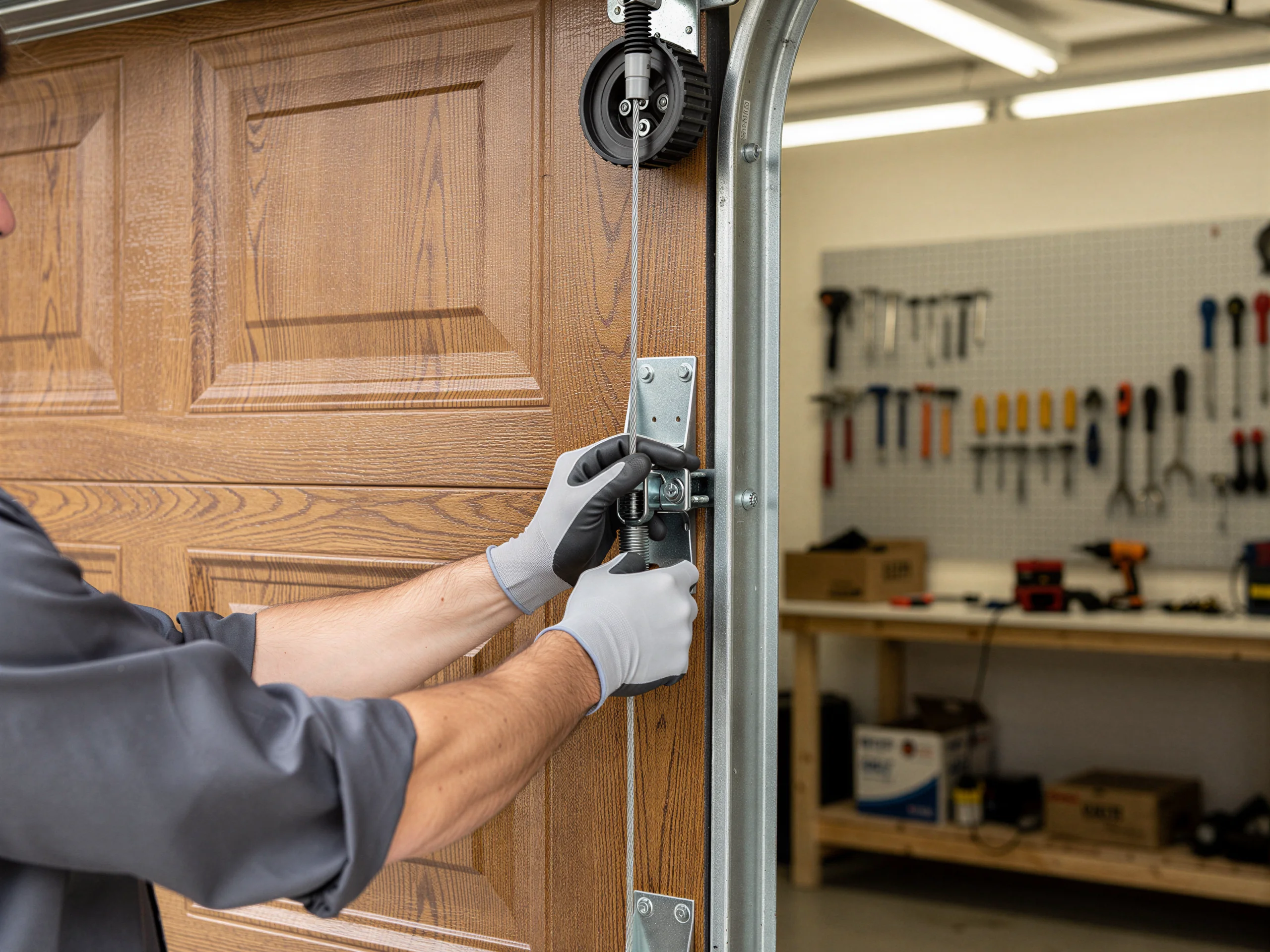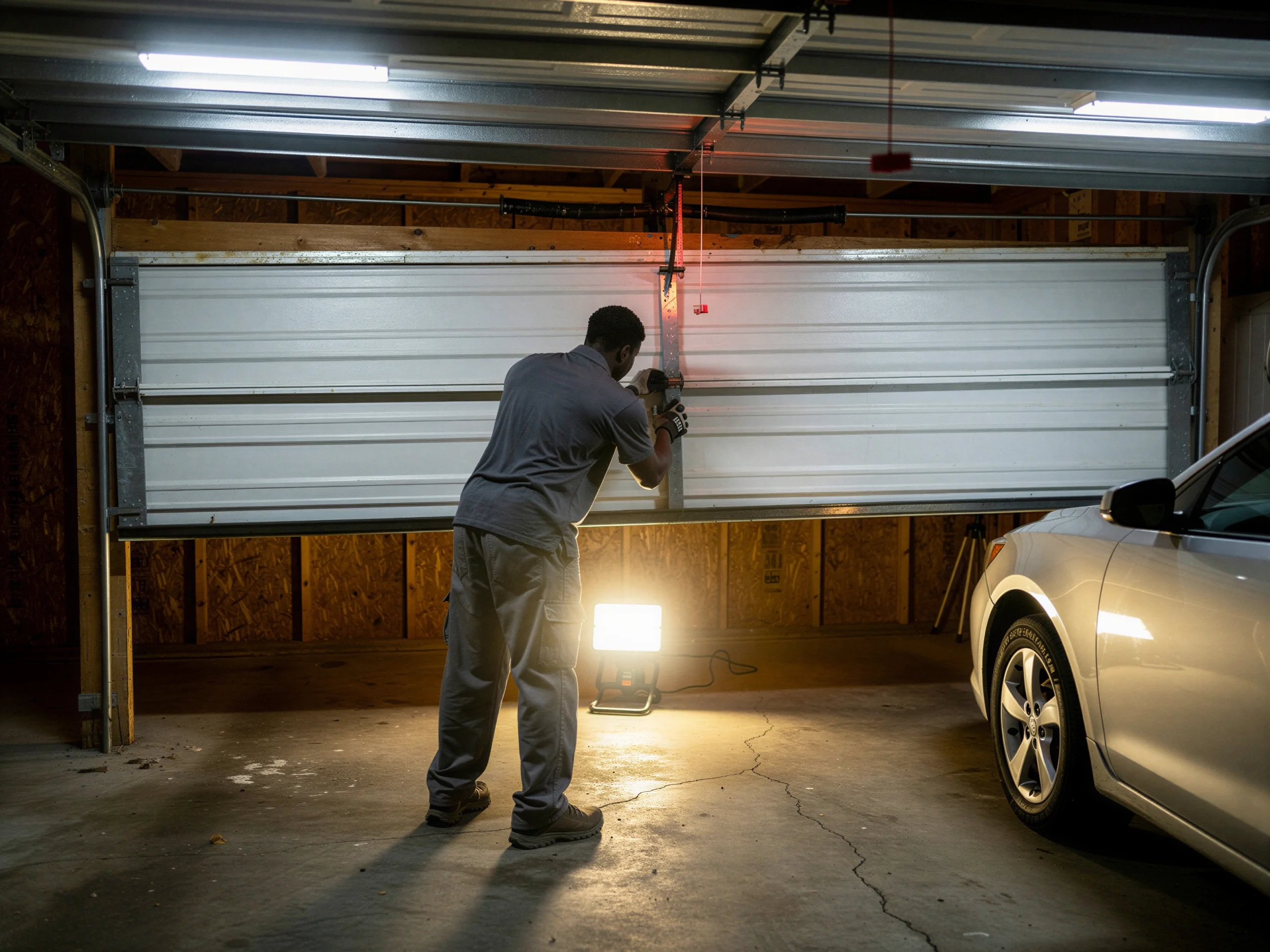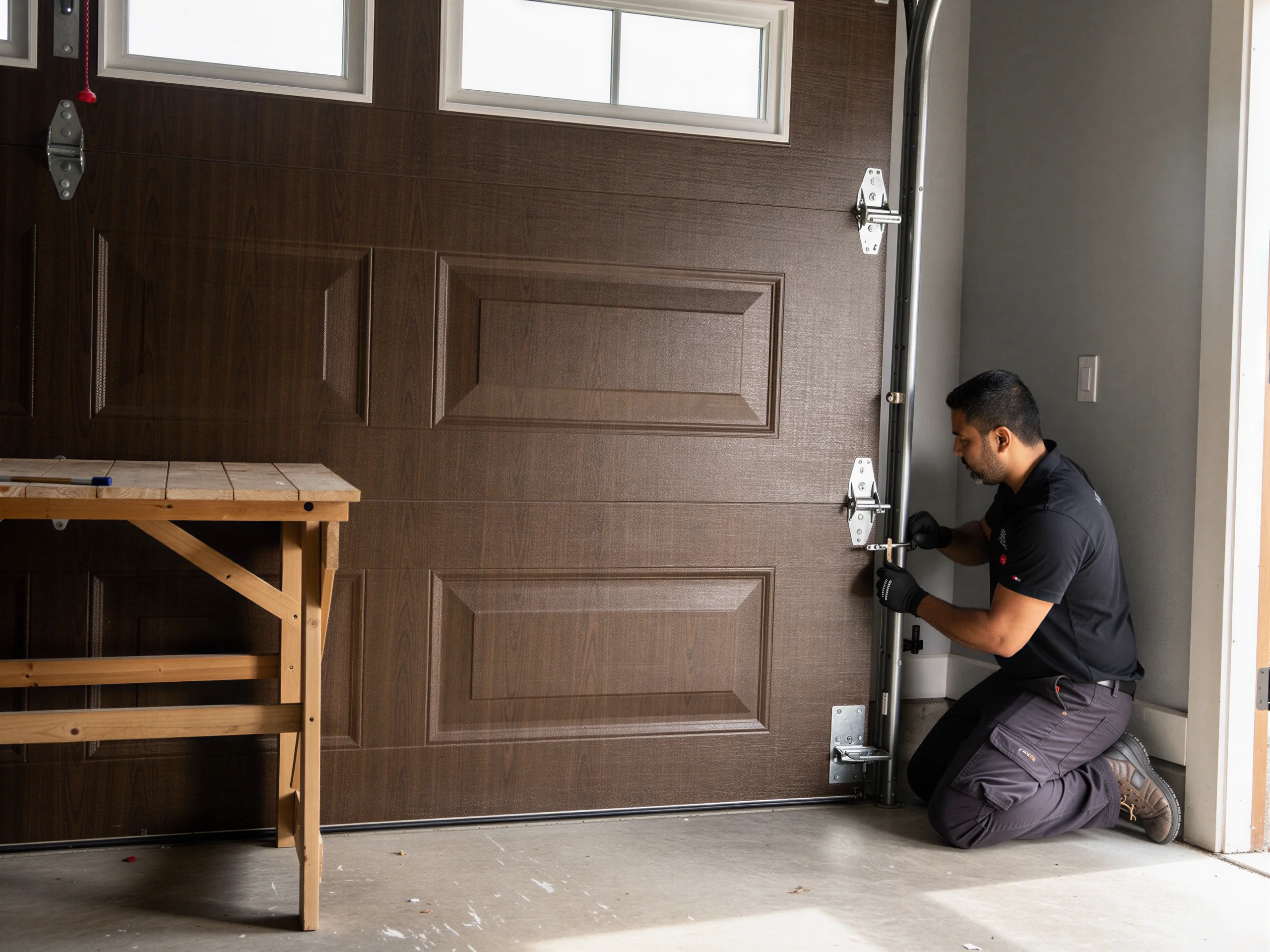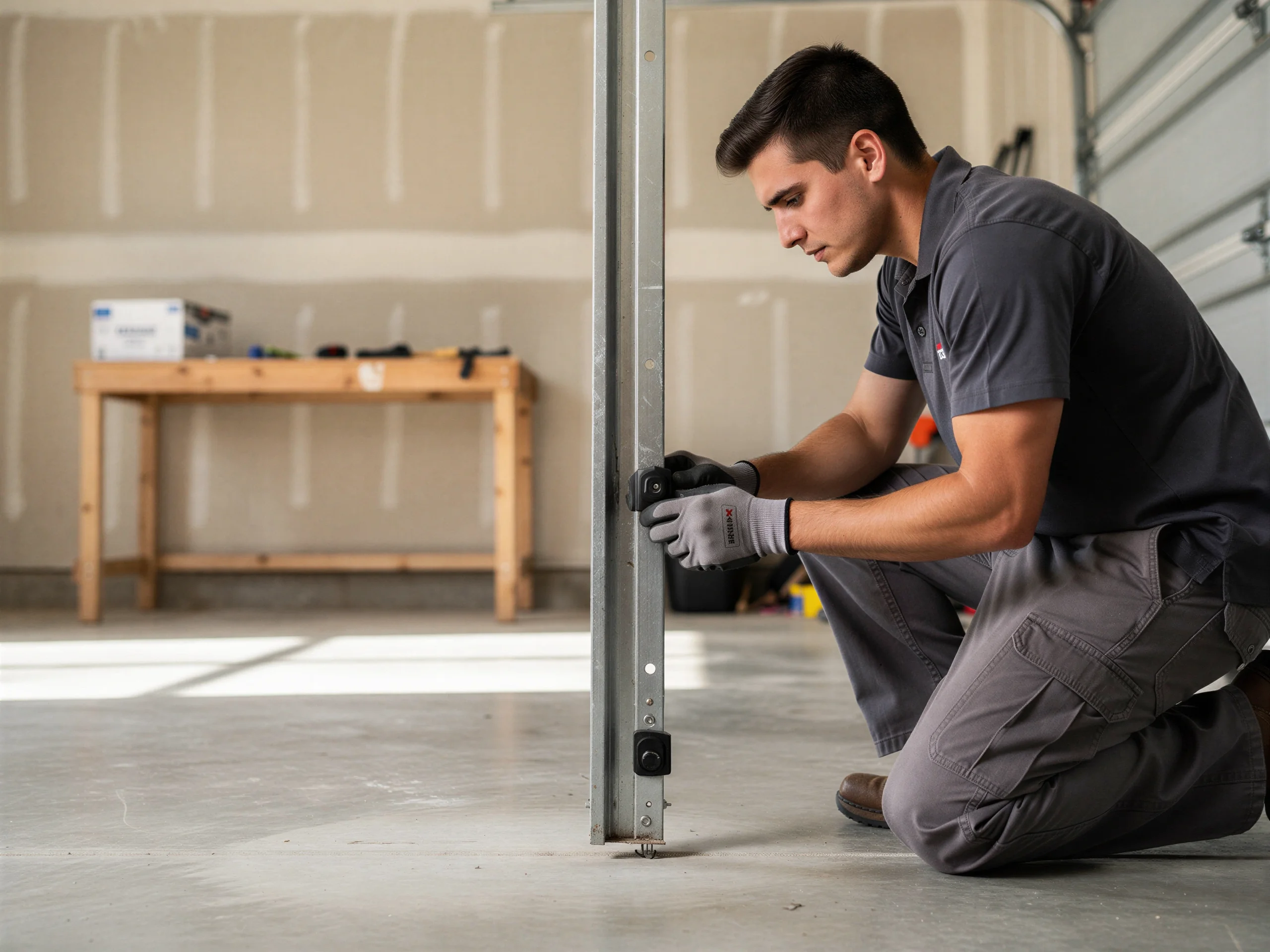
What Is on the Truck
The call we get most out of Jurupa Valley isn't a dead opener, it's a dying one. Median build year here lands around 1980, which means a lot of these houses got their first chain-drive opener when the house went up, and a second one sometime in the 1990s or early 2000s when the first unit's gear finally stripped.
Chain slap and board trips
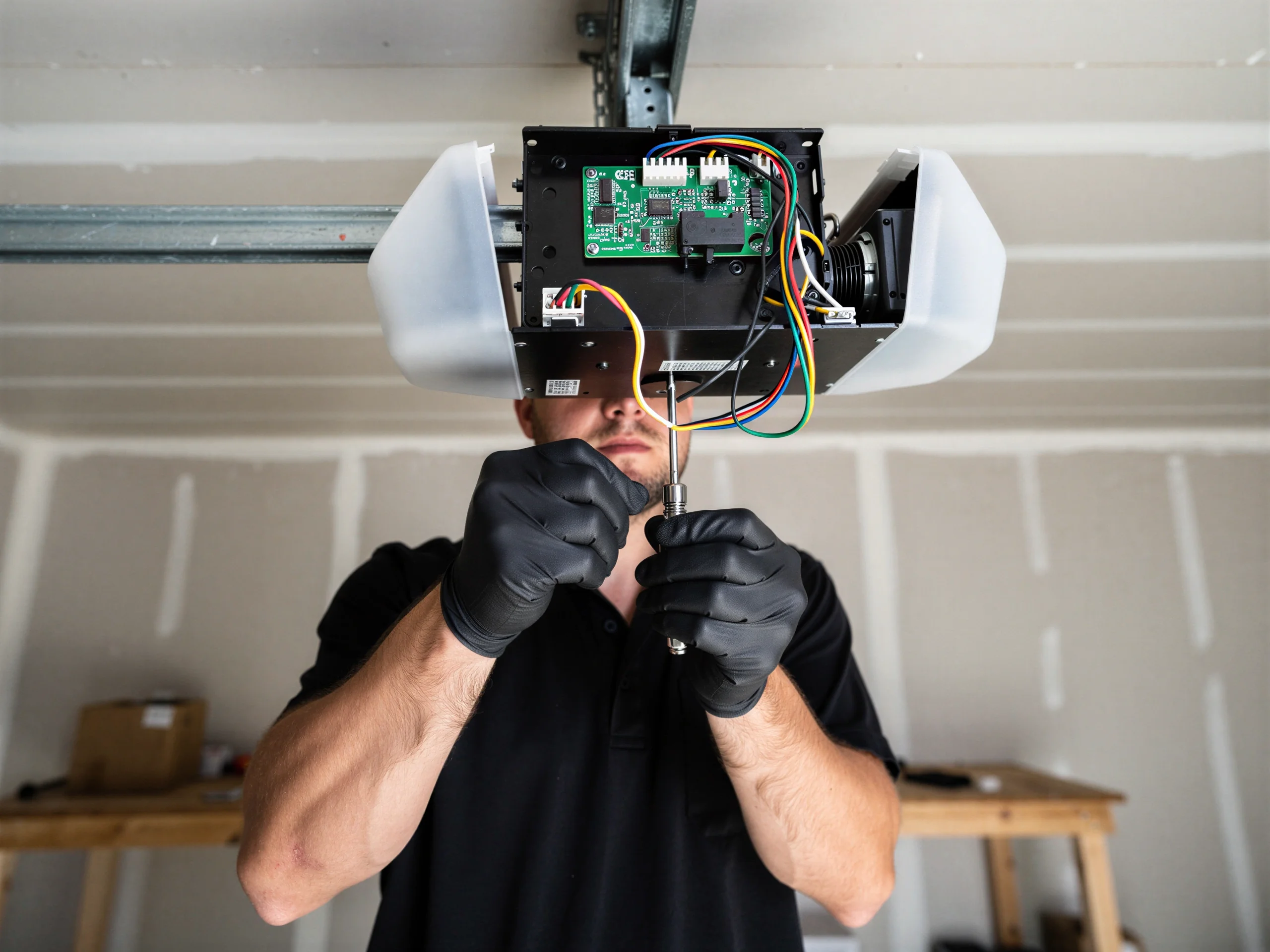
That second-generation opener is now 20 to 30 years old itself, and the failure pattern is predictable: a worn drive gear that lets the chain slap instead of pull, a logic board that trips randomly in the afternoon heat, or a motor that hums and goes nowhere.
Gear kits for chain drives
On the truck we carry gear-and-sprocket kits that fit the chain-drive units common to that build era, plus logic boards and capacitors for the handful of brands that dominated California tract-home installs through the 80s and 90s.
Belt-drive retirement option
We also carry belt-drive replacement units for anyone ready to retire the chain entirely - quieter, and no gear to strip again. What we don't carry is every obscure board for every opener ever sold; if yours is a rare model, we'll tell you straight whether it's worth sourcing a part or just swapping the head unit.
What Causes It Around Here
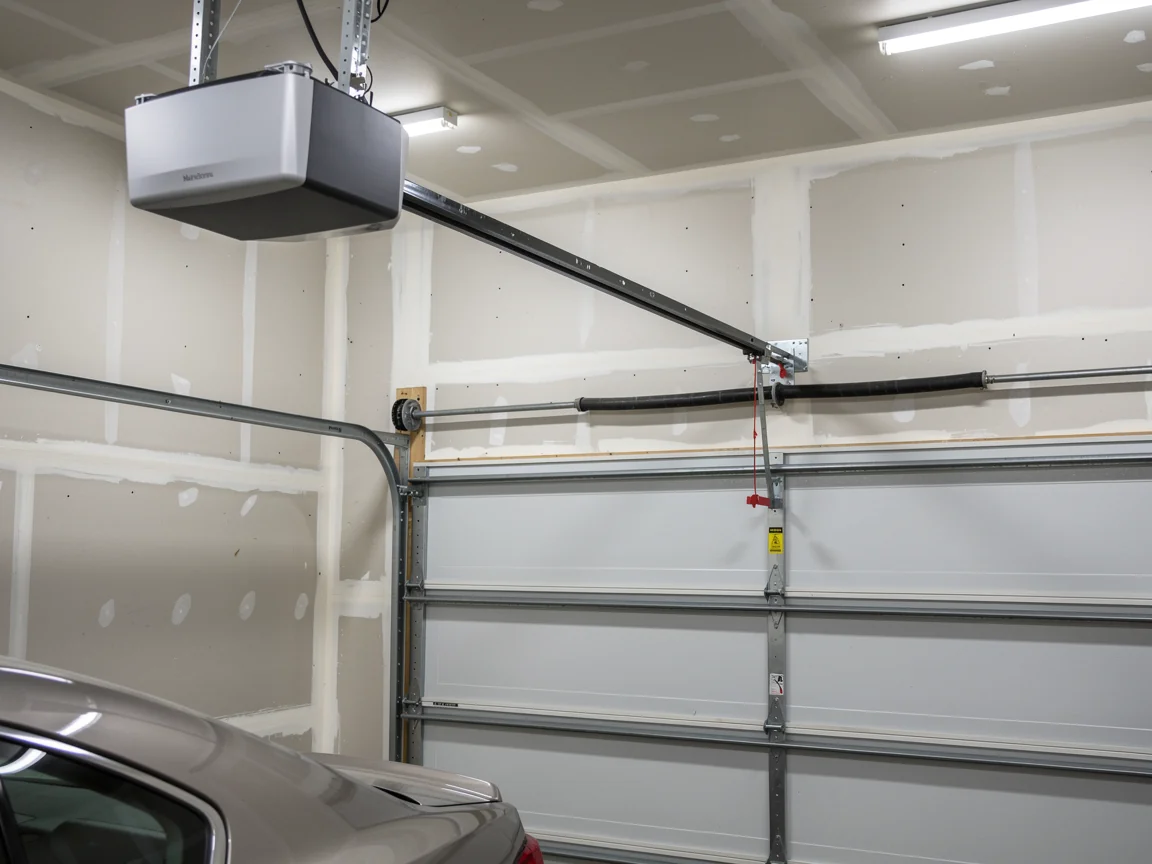
Jurupa Valley sits in a moderate-heat band, and heat is hard on opener electronics in a specific way: it doesn't kill them outright, it shortens the life of capacitors and relay contacts a few years at a time. In a house from the 1980 era, that opener has already been through four decades of summer attic temperatures above the garage ceiling, and the logic board is usually the first thing to go soft - intermittent response to the remote, a light that blinks but a motor that won't engage.
The other pattern we see is mechanical, not electrical: the chain-drive rail sagging slightly after decades of use, which throws the travel limits off and makes the opener think the door is closed when it isn't, or vice versa. That's a adjustment job most of the time, not a replacement. We don't assume every opener call out this way ends in a new unit - plenty of these are a twenty-minute fix once we're looking at it in person.
Getting It Booked In
We run this call out of San Bernardino, about 14 miles from Jurupa Valley, so we book opener repairs here same as the rest of that service area - we don't keep a separate branch or crew stationed in town.
Opener details to share
When you call, tell us the opener brand if you can read it off the housing, roughly how old the unit is, and whether the symptom is the motor not running at all, the door reversing before it closes, or the remote working only some of the time.
Unknown opener age
That narrows down which parts ride along on the truck before we're even in the driveway. If your opener is original to the house and you're not sure of the age, that's fine too - tell us the house was built around 1980 and that alone tells us a lot about what we're likely dealing with.
The DIY Question
Swapping a remote battery or re-pairing a keypad is fair game for most homeowners, and we'd rather you try that first than pay a truck to come out for it. Past that, we'd stop. Opener logic boards carry line voltage, the travel-limit and force settings interact with the spring tension on the door itself, and getting the force setting wrong on an older chain-drive unit is how people get a door that doesn't reverse when it should. That's not a risk worth the money saved on the part.
One honest limitation: if your opener is a model old enough that the manufacturer's stopped making boards for it - which is common on units installed in the 90s - we may tell you the repair isn't worth chasing and a new opener is the better money. We'd rather say that upfront than have you pay for a part we're not confident will hold.
Talk to a local pro
Garage door service in San Bernardino?
Same-day service with honest, upfront quotes.