What Is on the Truck
Yucaipa's median house dates to 1978, which puts it right in the middle of the 1958-1996 build window that covers most of this service area.
Steel sectionals since 1978
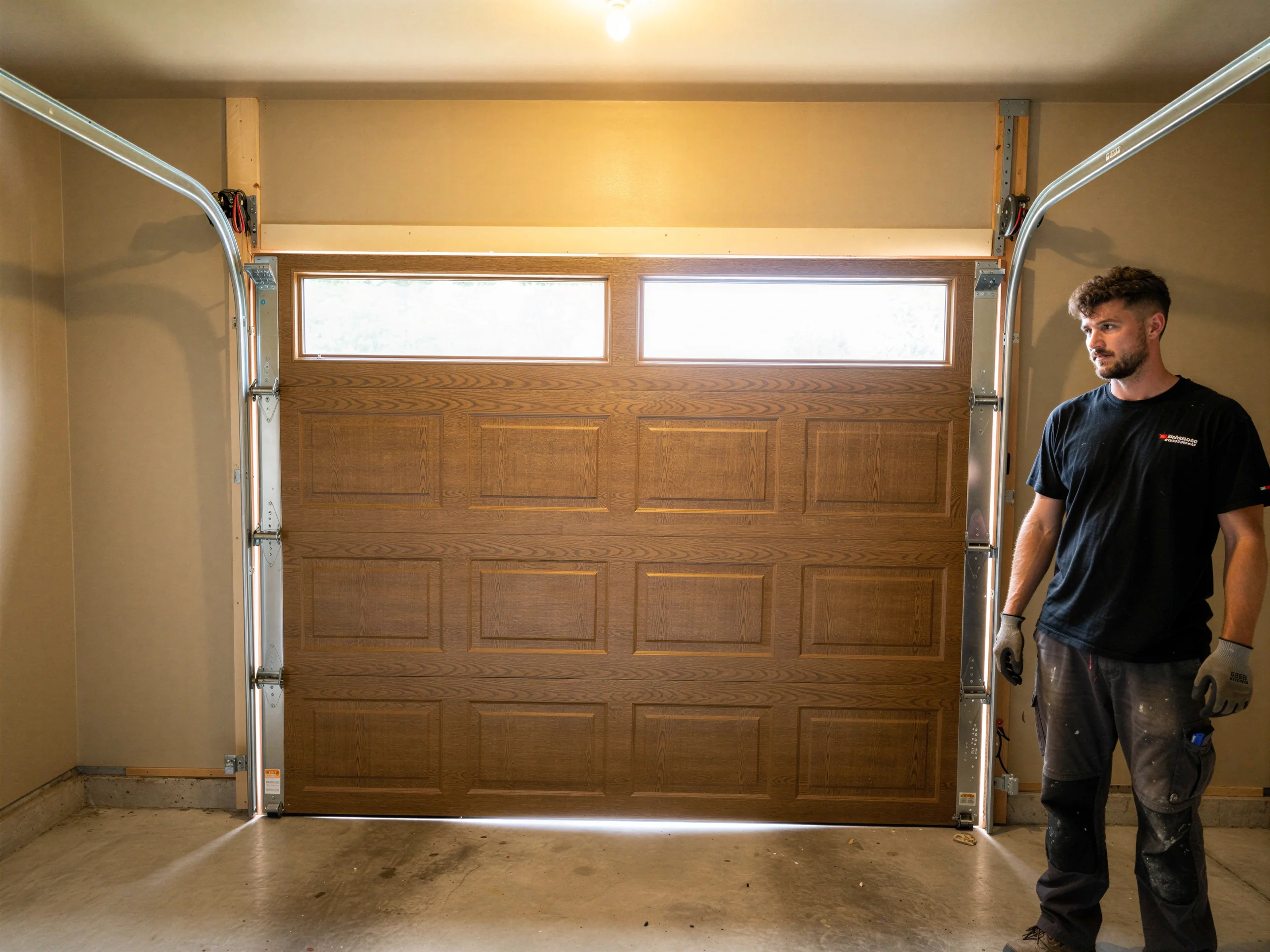
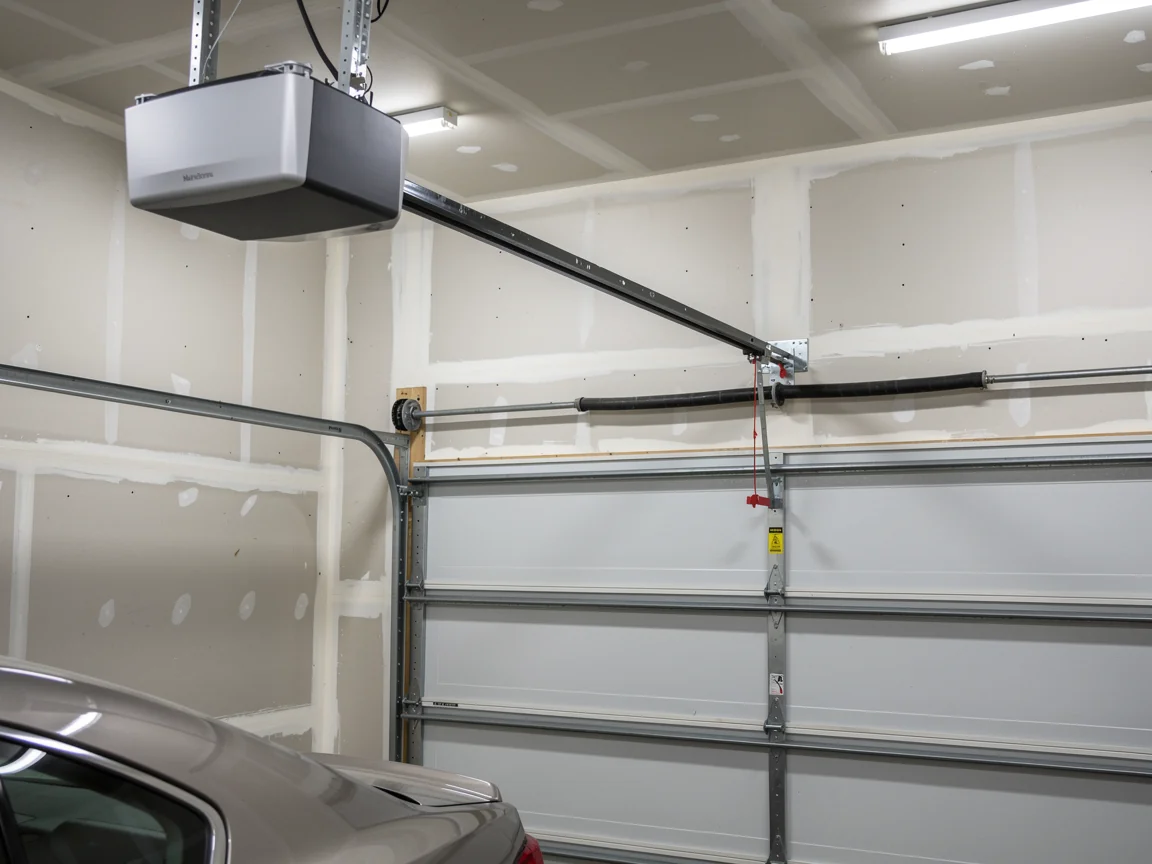
By 1978 the steel sectional door on a torsion spring system was already the standard install, not something added later - so what we're pulling up to is usually original or first-generation replacement hardware, not a garage that was converted from something older.
Chain-drive parts for subdivisions
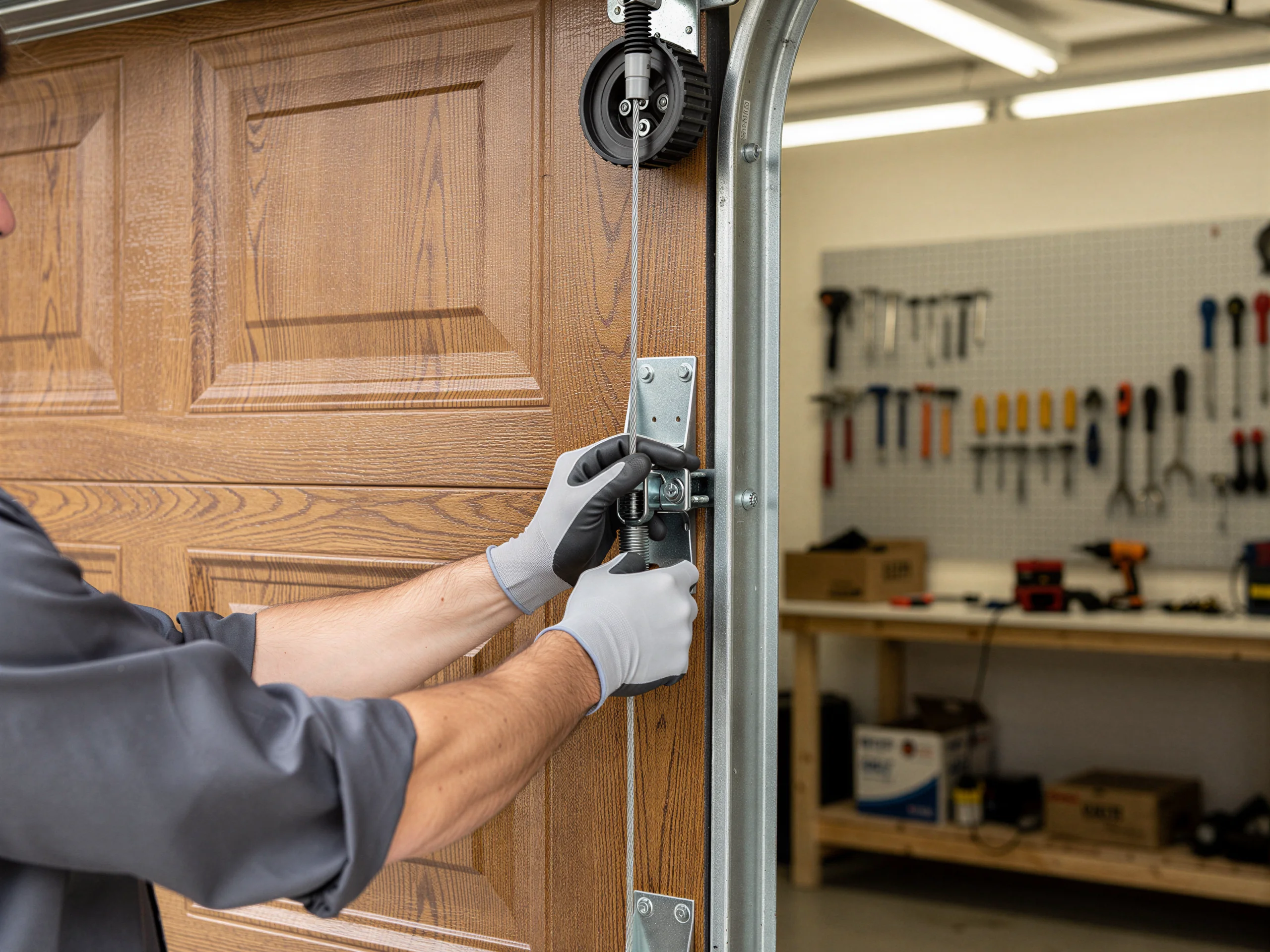
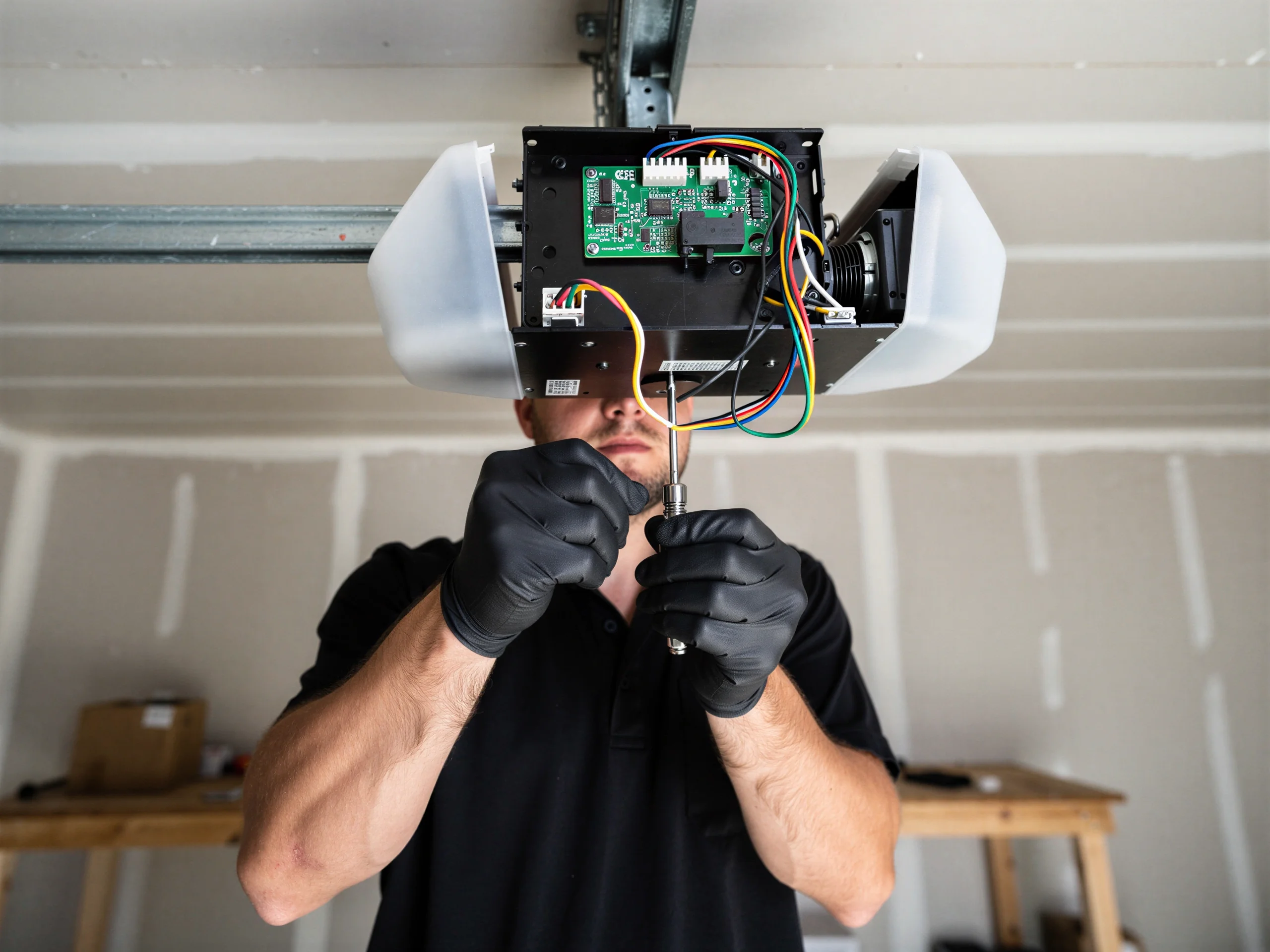
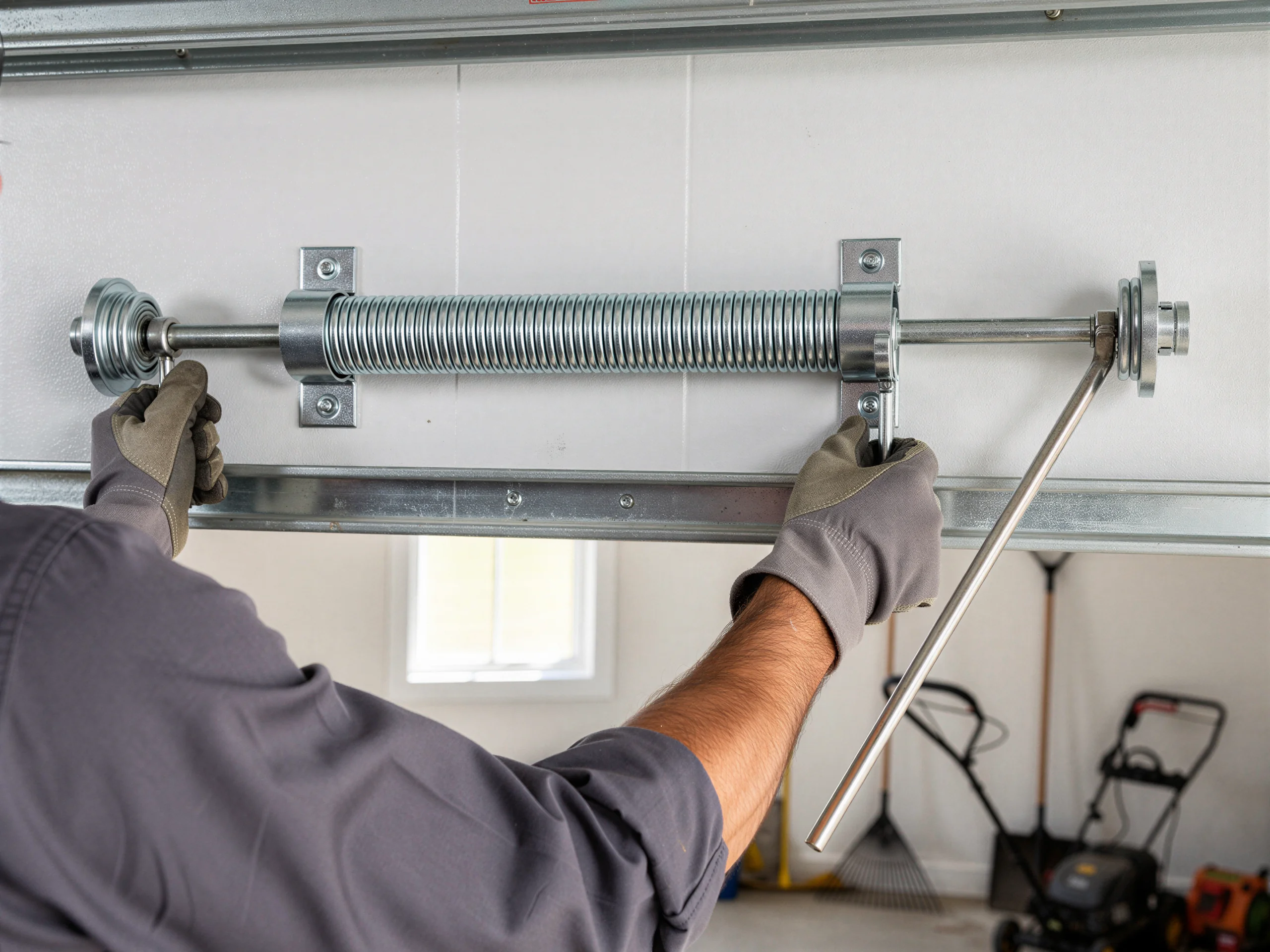
The truck carries torsion springs sized for that era's standard door weights, extension spring kits for the smaller detached garages some of these lots have, and chain-drive opener parts, since chain drive was the common choice when these subdivisions went up. We also carry cable and roller stock sized for 1970s track widths, which aren't always what a big-box store has on the shelf today.
Modified doors need inspection
One limitation worth saying plainly: if a door has been modified more than once - a non-standard opener bolted onto original track, for instance - we may need to see it in person before we can say the parts on the truck will fit. We don't guess on torsion spring wind counts over the phone.
What Can Go Wrong
Yucaipa runs 16 households deep in its own numbers - 18,006 of them, out of 153,214 across the whole area we cover - and a good share of those sit on doors original to 1978 construction.
Hardware age drives failures
The failures we see track the hardware age: torsion springs that have cycled past their rated life, center bearings worn enough to let the shaft wobble, and cables starting to fray at the drum where nobody looks.
Dry lubricant in heat
The climate band here runs moderate heat, which isn't the extreme swings that crack doors outright, but repeated warm-season expansion still dries out lubricant on track and rollers faster than owners expect, and that shows up as grinding or binding rather than a clean break.
Income drives full-panel replacement
Household income here runs higher than the area median - $92,401 against $84,594 across the wider service area - and in practice that shows up as more two-car insulated steel doors needing full-panel replacement rather than patch repair, since those doors cost more to source in sections. The honest limit: once a panel is discontinued by the original manufacturer, matching it exactly isn't always possible, and we'll tell you that before we quote a patch job that won't look right.
What the Repair Takes
We run the call from San Bernardino, 16 miles out, so the truck is loaded before it leaves rather than restocked once it's in Yucaipa - that means the tech needs a clear description of the door and the opener before dispatch, because what's on board is what you get that trip.
Same-visit 1978 spring fix
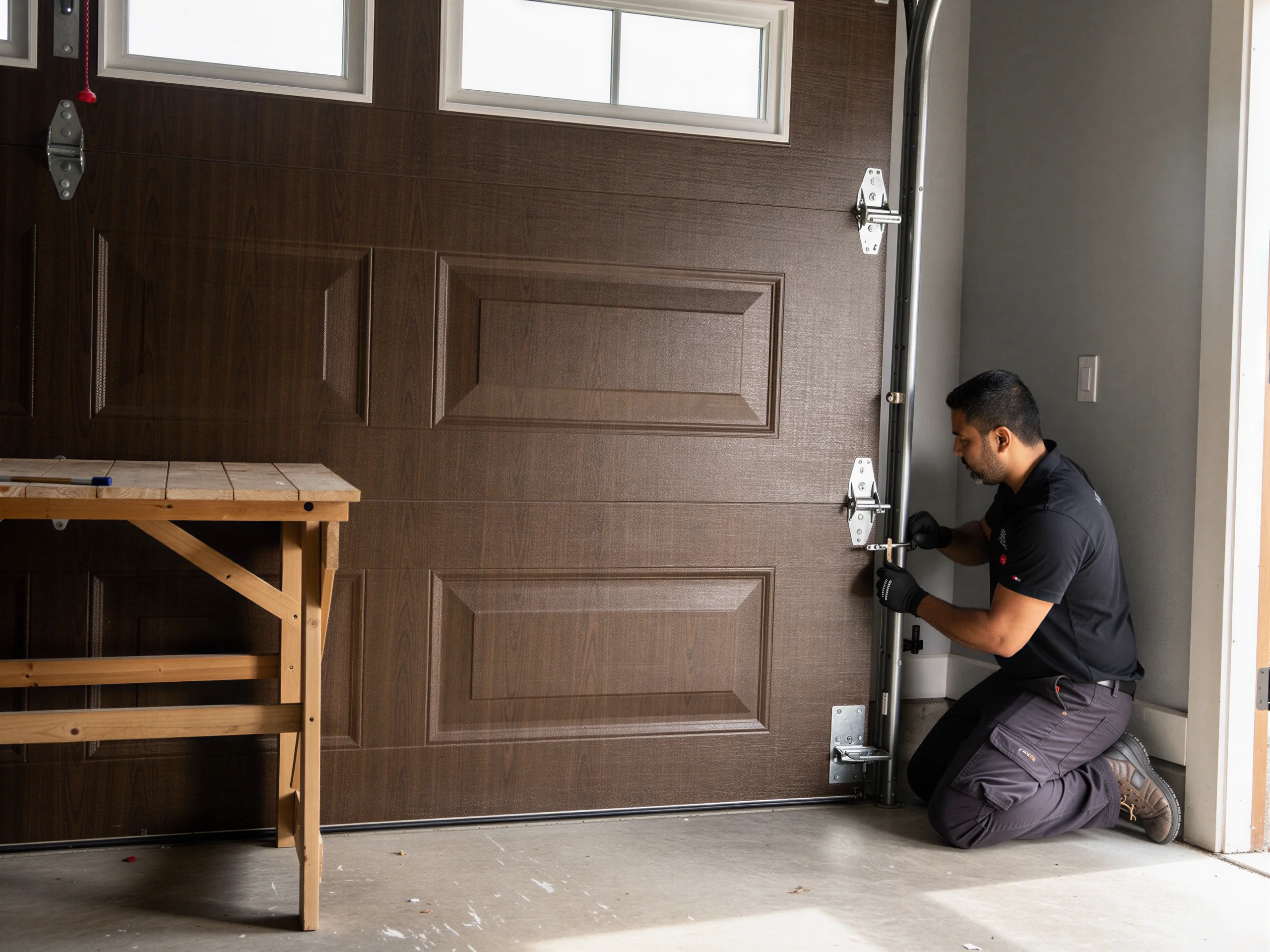
A broken torsion spring on a standard steel sectional, the most common call on houses from the 1978 era, is typically a same-visit fix once the tech is on site: match the wind, swap the spring, balance the door.
Bent track takes longer
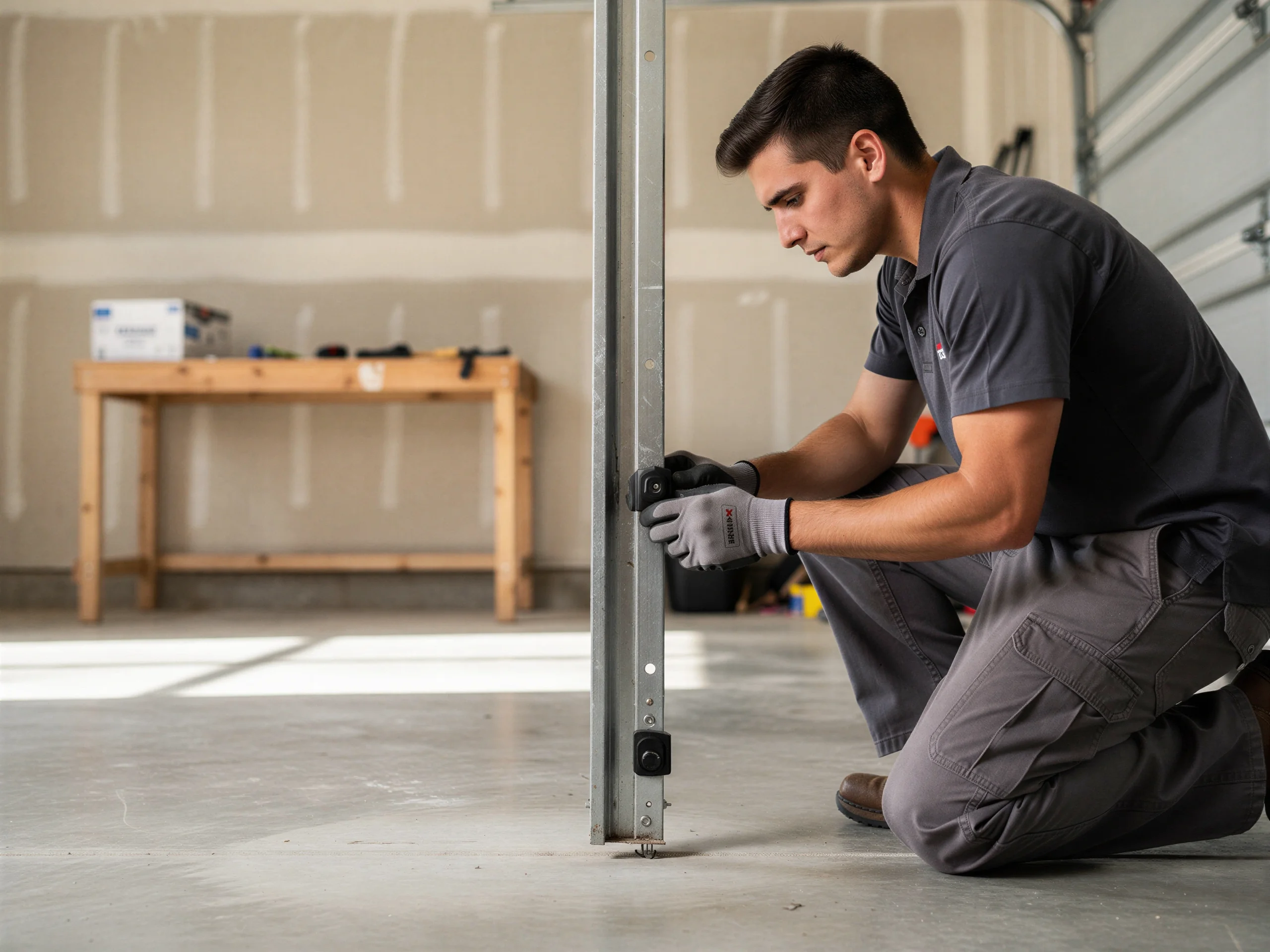
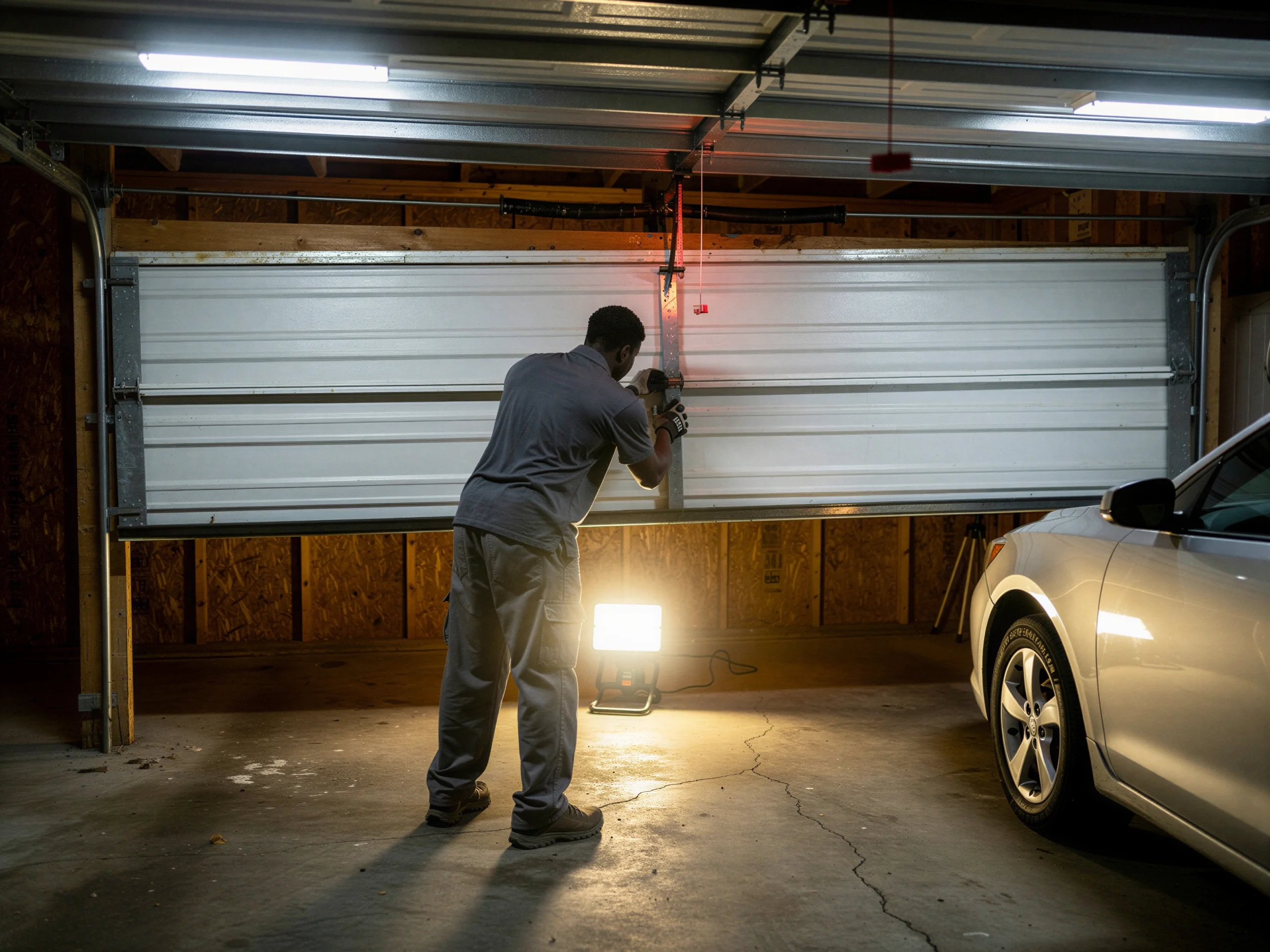
An opener swap or a bent track from a car backing into a closed door takes longer, since track has to be straightened or replaced section by section rather than all at once.
Drive time affects waiting
Distance adds real drive time to the front end of any call, which is worth knowing when you're deciding whether to wait for a scheduled slot or ask for the next truck out. We don't carry every opener model in stock; if yours is a less common brand, that part may need to be ordered rather than pulled off the shelf that day.
The DIY Question
A torsion spring under tension can do real damage, and a door off its track with the opener still powered isn't something to wrestle with before a tech gets there - that part doesn't change no matter what town you're in.
Old hardware corrosion risk
What does change here is how old the hardware usually is: on a 1978-era door, a spring that looks fine can still be at the end of its rated cycle count, and a homeowner adjusting tension on old, possibly corroded hardware is taking on more risk than the same job on a newer door.
Safe steps before technician
Safe DIY, in our view, stops at unplugging the opener, manually locking the door shut if it's stuck open, and keeping vehicles and people clear of the track until someone can look at it.
Non-urgent routine repair
If the issue isn't urgent - a noisy roller, a door that's slow to close but still working - that's a call for routine repair, not an emergency dispatch, and our non-emergency Yucaipa page covers that scope: /yucaipa-garage-door-repair/. For anything involving a spring, cable, or a door stuck mid-travel, that's the emergency line.
How Long You Are Without the Door
Realistically, the wait has two parts: the 16-mile drive from San Bernardino, and whether the part your door needs is one we carry for 1970s-era hardware or one that has to be sourced. A standard torsion spring replacement on a steel sectional door from the 1978 construction wave is usually resolved in one visit once the truck arrives - the part is common and it's on board. A less common opener model, a custom panel size, or hardware that's been swapped out from the original over the years can push the timeline to a second visit if the part has to be ordered in. We'd rather tell you that up front than promise a same-day fix we can't back up. If the door is stuck open and the garage connects to the house, that's worth mentioning when you call, since it affects how we prioritize the route out from San Bernardino. For the broader emergency service details - what counts as an emergency call and how dispatch works - see /emergency-garage-door-repair-san-bernardino-ca.
Talk to a local pro
Garage door service in San Bernardino?
Same-day service with honest, upfront quotes.