What Can Go Wrong
Grand Terrace's housing stock centers on 1976, a bit newer than the 1958-1996 spread we see across the wider San Bernardino service area. That matters for which parts fail first.
Mid-70s opener motor reliability
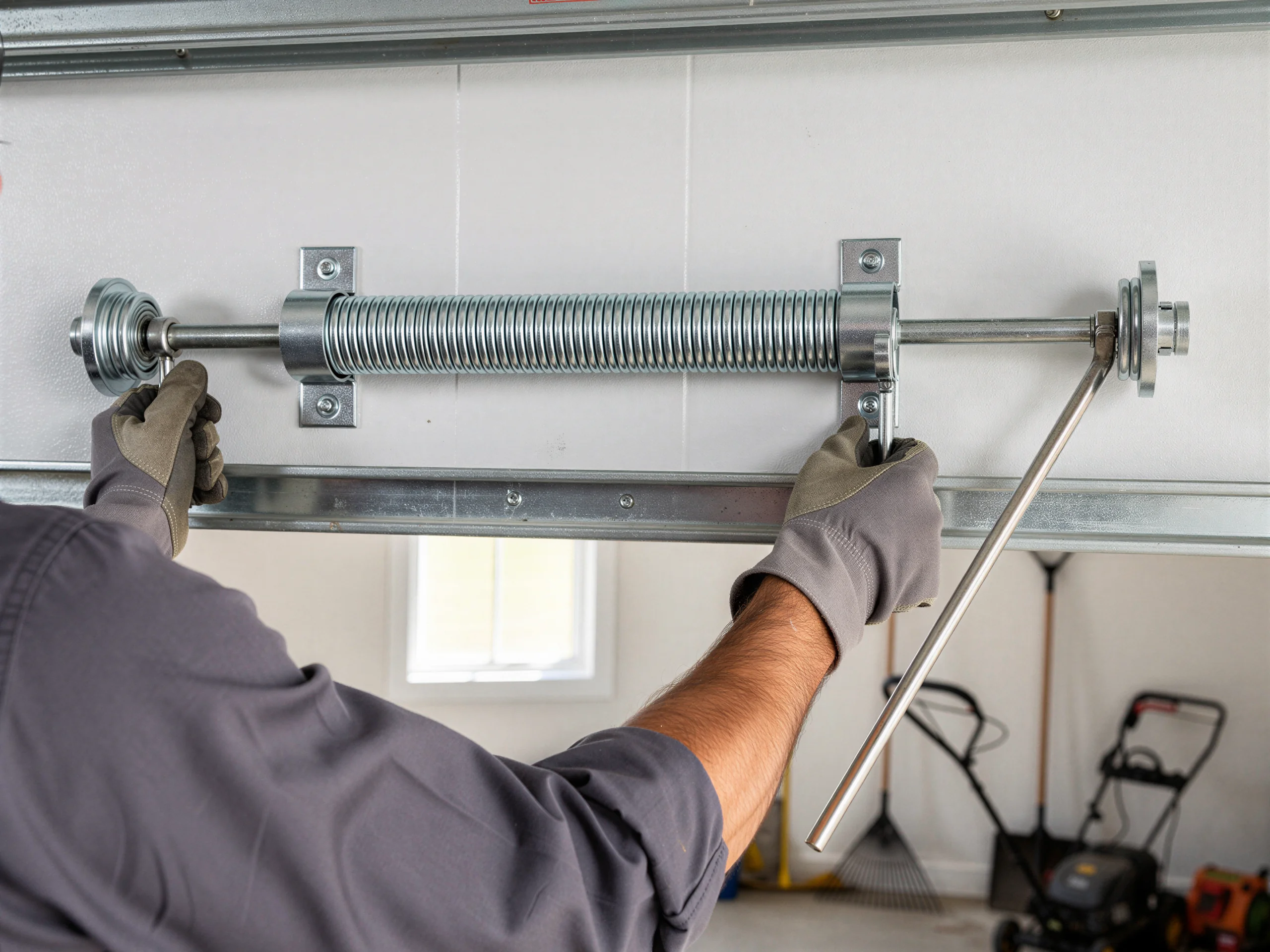
A house built in the mid-70s is old enough that its original torsion spring has long since been replaced at least once, but it's also past the point where the first-generation opener motor (if it's still the original) is reliable.
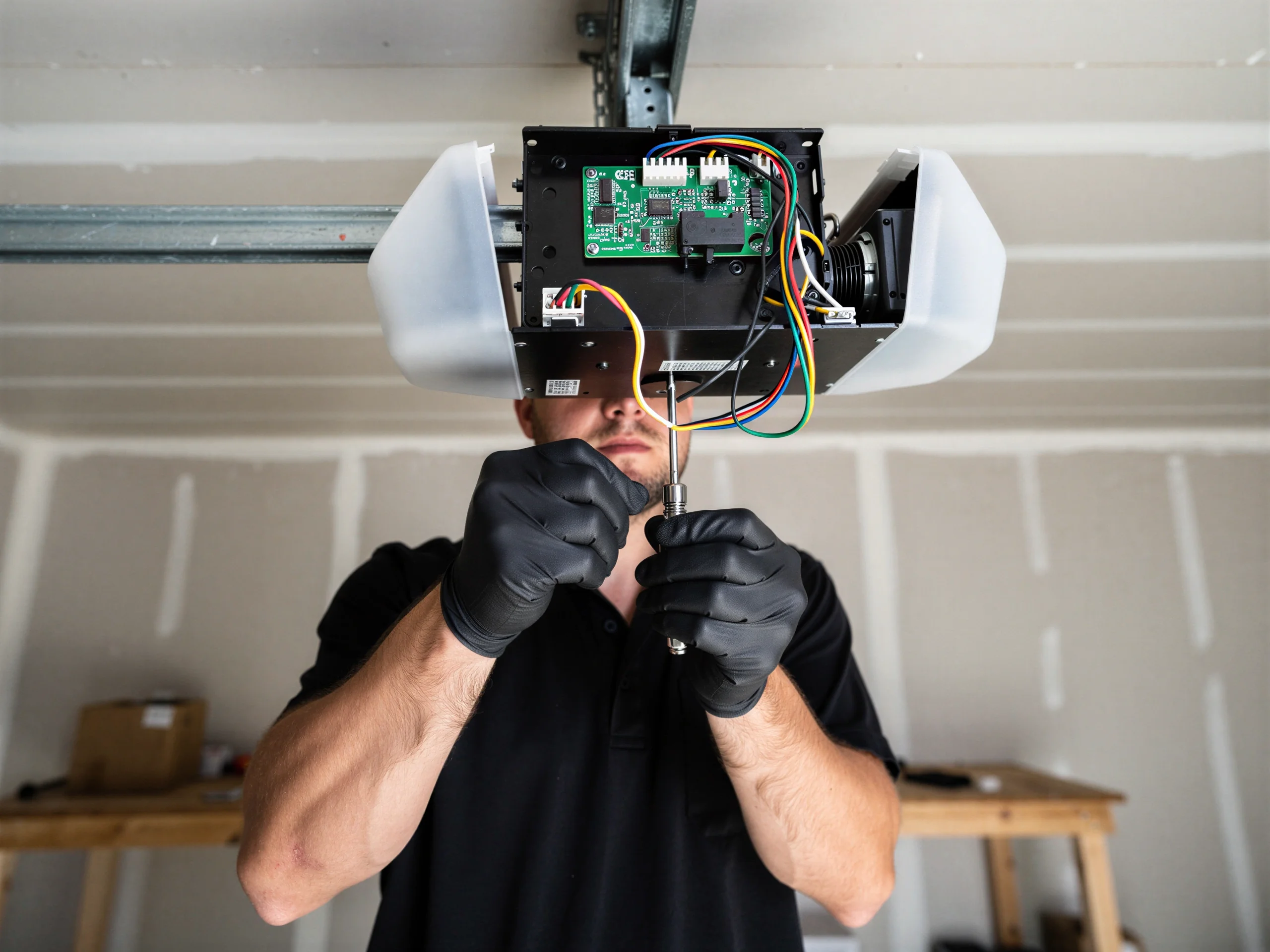
Stripped nylon gears
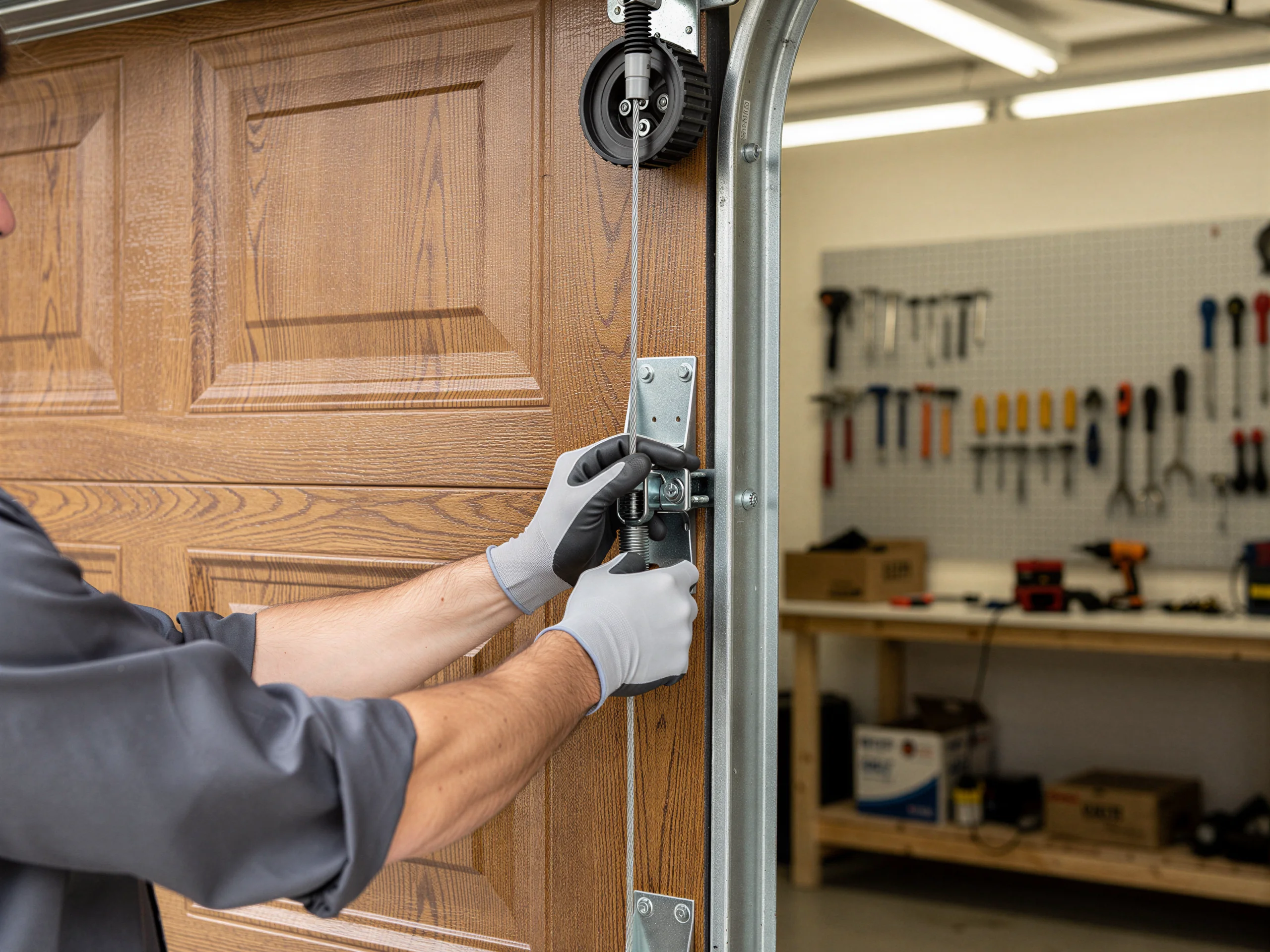
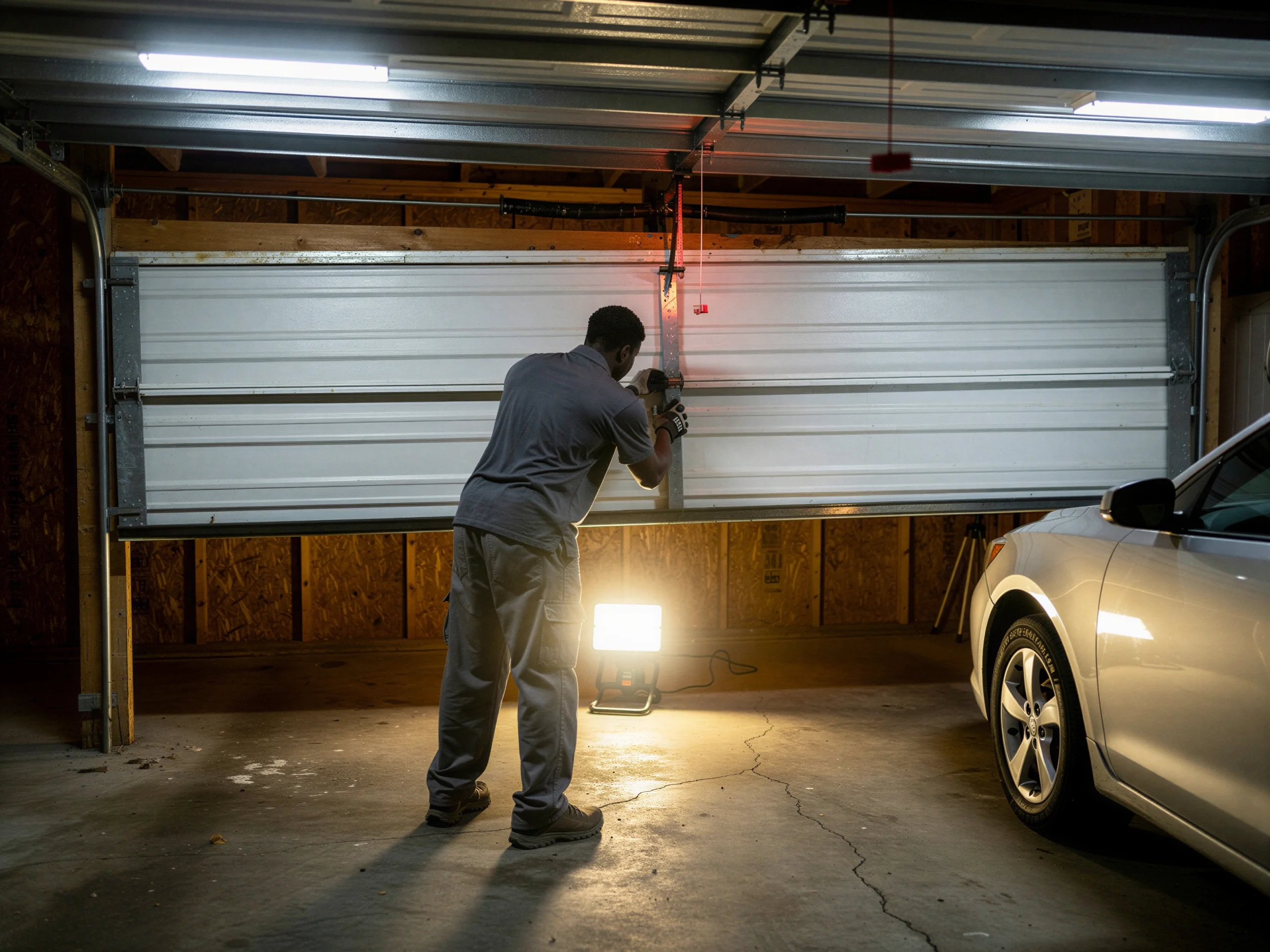
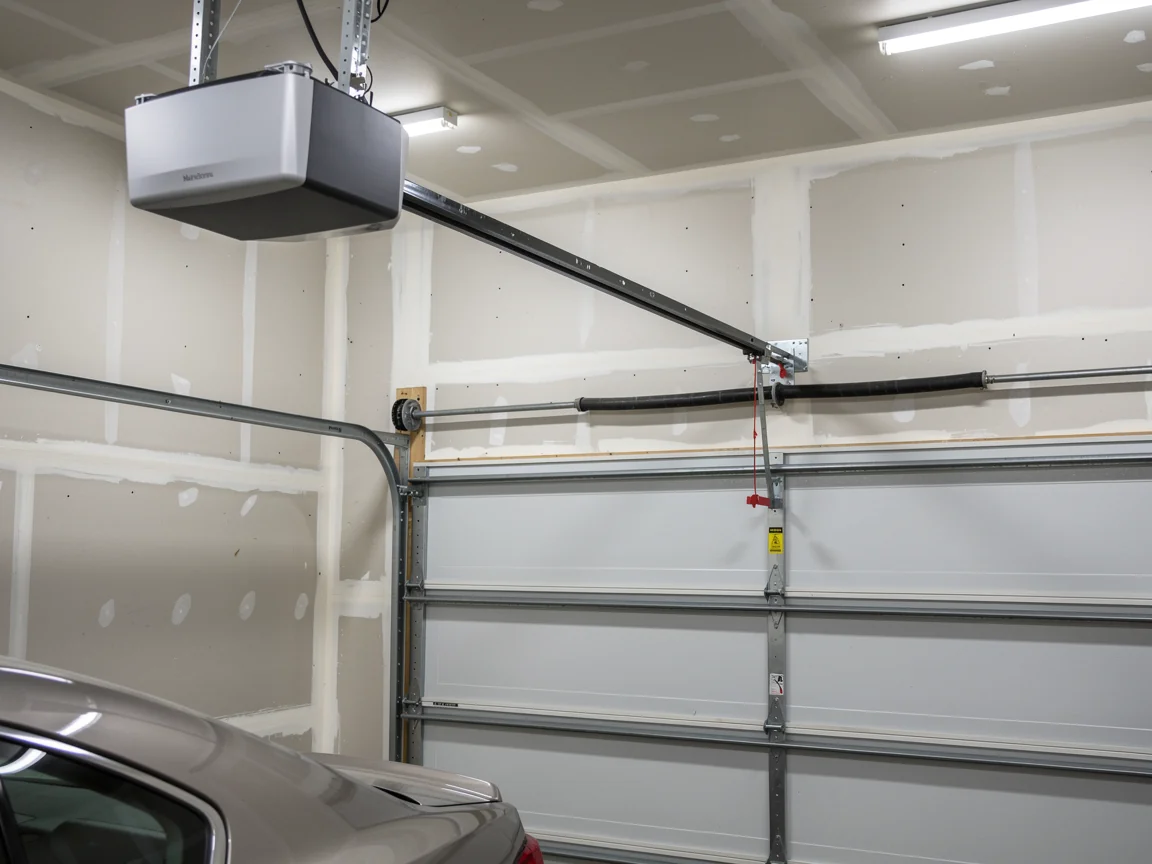
We get calls here for stripped nylon gears on aging chain-drive openers, torsion springs that let go without warning, and rollers that have worn their tracks into a slightly wider groove than they started with. Panel damage shows up too, usually from a car bumper misjudging the stop point rather than from weather.
Newer housing, different failures
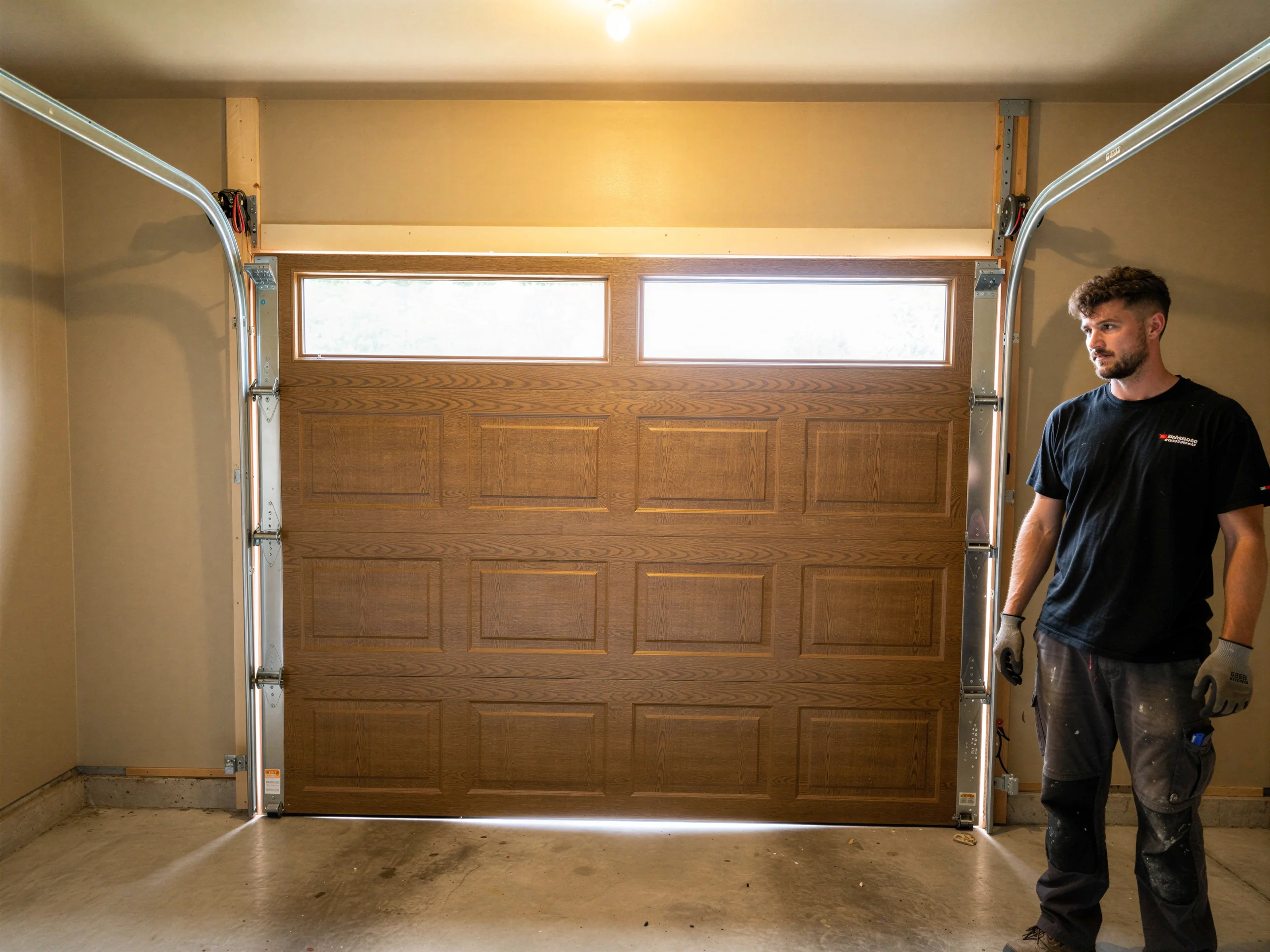
We don't see the rot and warping problems that plague homes from the 1920s-40s stock you'd find closer to the old parts of San Bernardino proper - this area's doors are newer than that, so the failures tend to be mechanical wear rather than material failure. One thing we won't do is talk you into a full replacement when a spring swap and a roller set will get another decade out of a door that's otherwise sound.
What Causes It Around Here
The moderate heat band this area sits in doesn't put the stress on doors that you'd see in a harsher climate, but it still does its slow work. Steel expands and contracts enough over a Grand Terrace summer to loosen hinge bolts and dry out the factory lubricant on rollers and hinges, which is a big part of why we get noise complaints before we get outright failures. Grand Terrace is a smaller, mostly single-family area - about 4,543 households - so the doors we work on are overwhelmingly residential double and single garage doors on torsion or extension spring systems, not the heavier commercial doors we also handle elsewhere in the service area. With a median household income of $83,668, most of what we see is homeowners maintaining a door that's still worth keeping rather than replacing wholesale, which lines up with the mechanical-wear pattern more than a material-failure pattern.
How Long You Are Without the Door
We run this call from San Bernardino, about 8 miles out, so factor that drive into when we can get there - we don't keep a crew stationed in Grand Terrace itself.
Common sizes, same visit
Once we're on site, most spring and opener repairs on a 1970s-era door are a same-visit job: the parts involved are common sizes that fit standard torsion and extension hardware from that build era, not an obsolete dimension you'd need to special-order.
Panel lead times
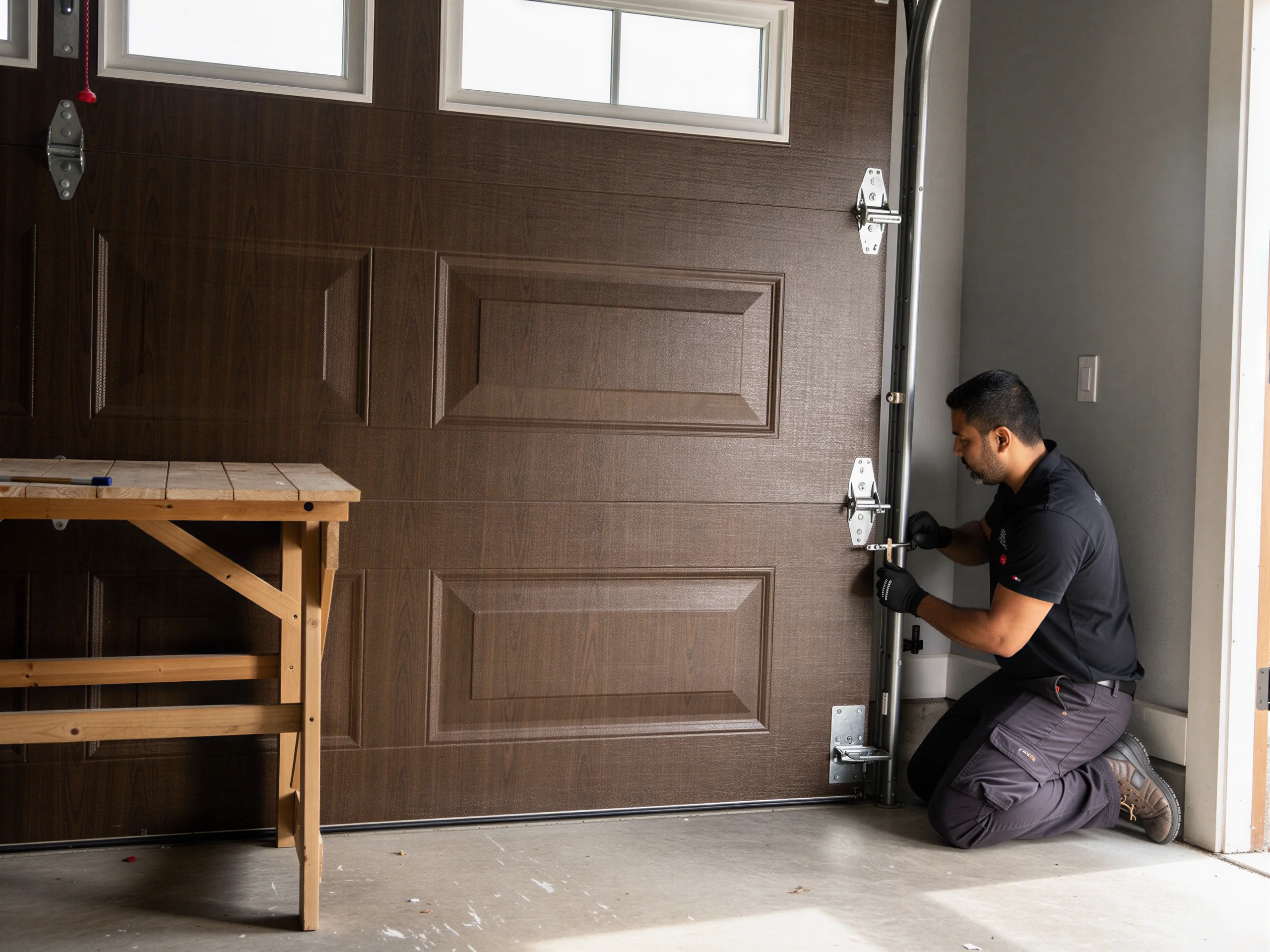
Where it stretches out is a cracked or badly dented panel - matching an exact panel on an older door sometimes means a manufacturer lead time we can't shorten, and we'll tell you that up front rather than promise a date we can't hit. If the whole door needs replacing, that's also a longer window than a repair, simply because of ordering and scheduling the install.
What You Pay
We don't have a published price list to quote here, and giving you a number without seeing the door would be a guess dressed up as a fact. What we can tell you is what drives the cost: a torsion spring replacement on a standard residential double door costs less than an opener swap, and a single panel replacement sits between the two depending on whether the color and ribbing pattern still match what's sold today. Given the median income and housing age in this area, most of the jobs we quote here land in the repair range rather than full-replacement range - the doors are old enough to need parts but young enough that the frames and tracks are usually still square and worth keeping.
What You Are Seeing
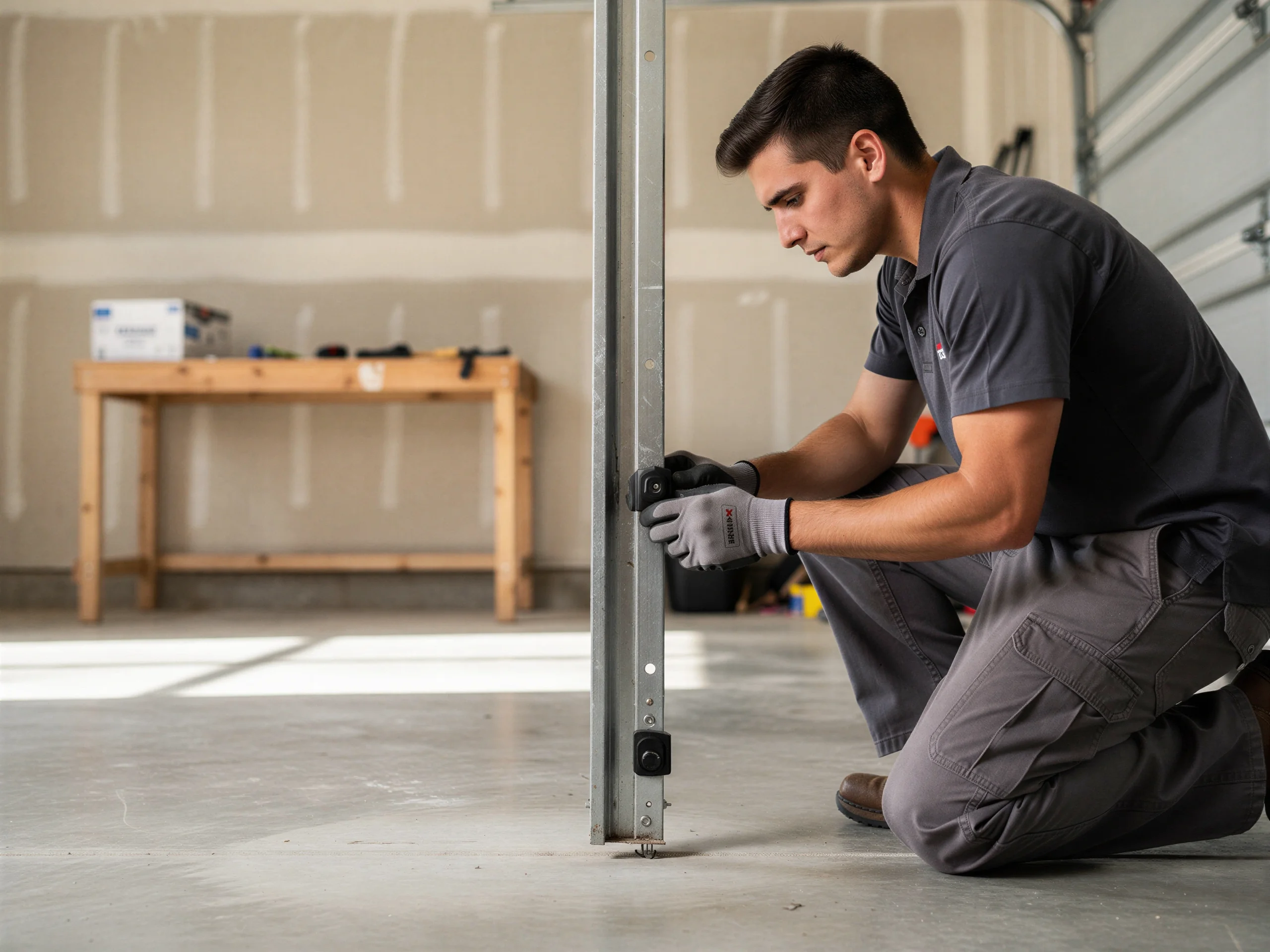
If your door is jerking or hesitating partway up, that's usually a spring losing tension unevenly, not an opener problem, even though the opener gets blamed first. A door that reverses on its own as it closes is almost always a sensor alignment issue or a photo-eye sensor with a dirty lens, which is a five-minute fix, not a system replacement. Grinding or popping noises point to roller wear, which on a door built around 1976 means the original steel rollers have likely already been swapped once and are due again. If the door is noticeably heavier to lift by hand than it used to be, that's a spring telling you it's close to the end, and waiting on it risks the cable snapping under load instead of the spring failing in a more controlled way.
Talk to a local pro
Garage door service in San Bernardino?
Same-day service with honest, upfront quotes.