What Can Go Wrong
Rialto's median household income sits at $85,521, close enough to the wider San Bernardino service area's $84,594 that the repair-or-replace call here almost never comes down to money.
Repair versus door worth saving
It comes down to the door itself. At that income level, most homeowners can cover a cable repair outright, so the real question is whether the door and track underneath are worth saving once a cable goes.
Two-cable balance failure
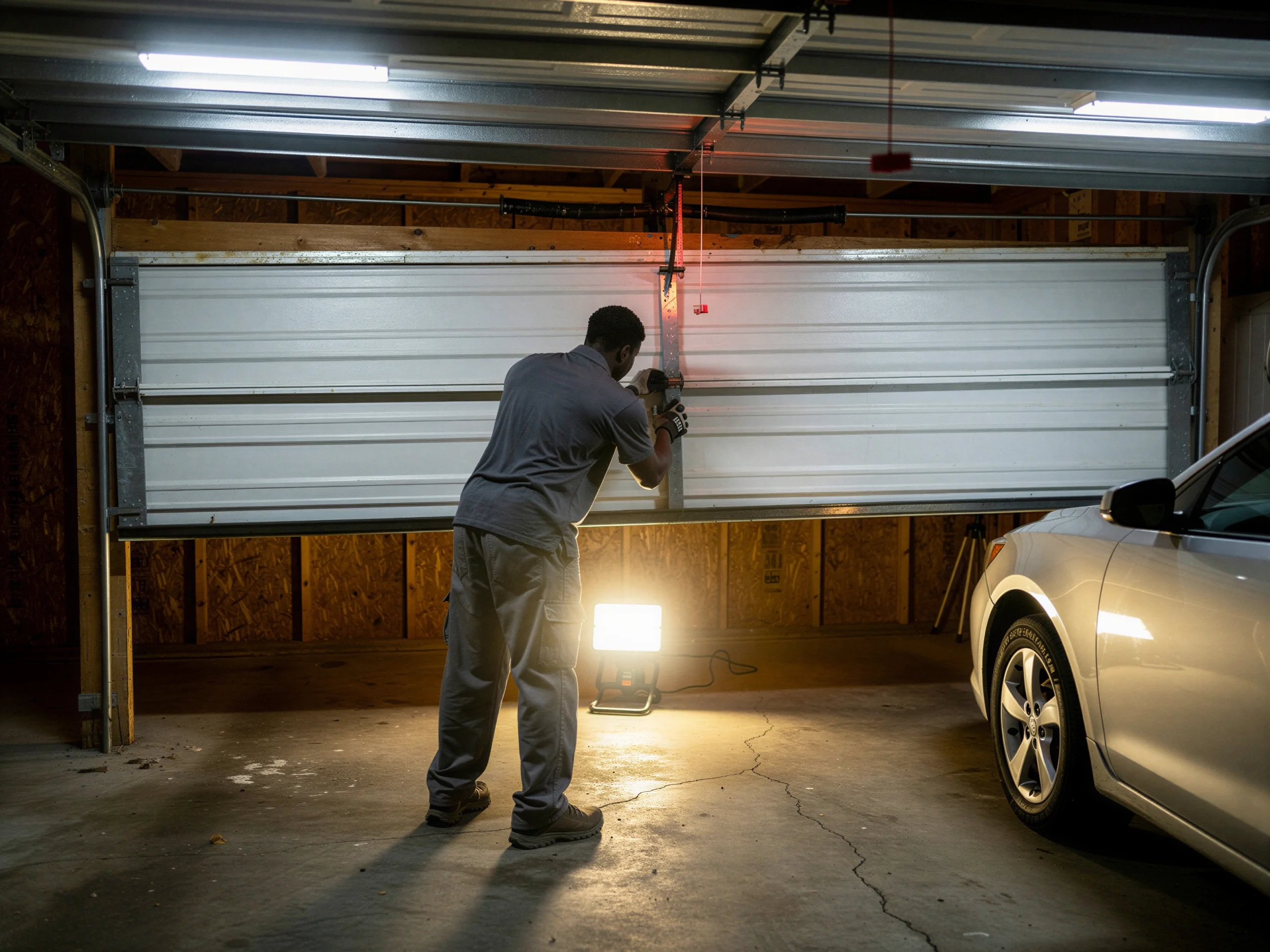
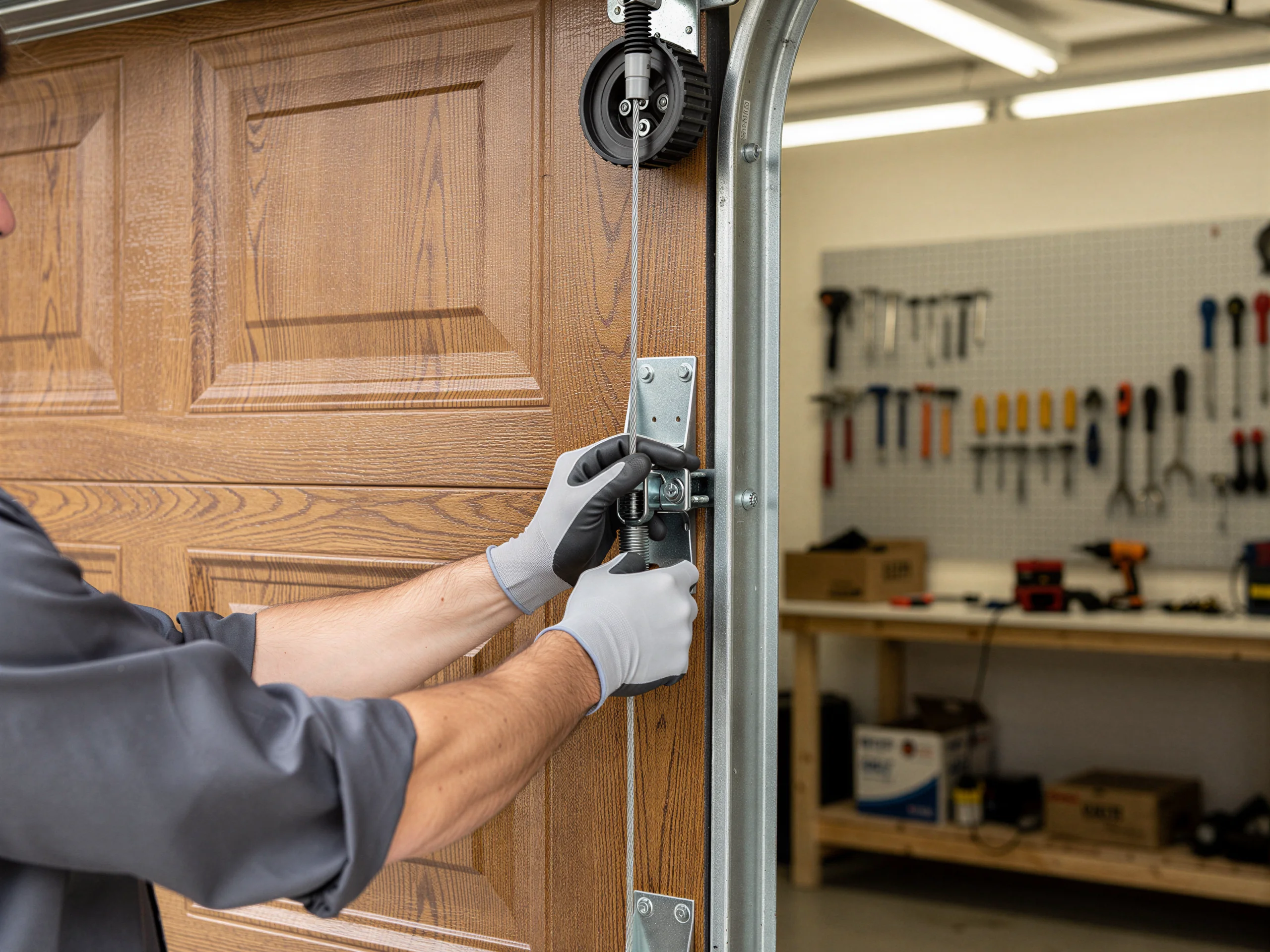
A garage door runs on two lift cables, one on each side of the door, wound onto drums at the ends of the torsion shaft. When one snaps, the door usually drops unevenly or jams halfway, because the other side is still holding weight it was never built to carry alone.
Frayed strands and jumped cables
You'll also see frayed strands near the bottom fixture, a cable that's jumped off the drum groove, or a cable that's rubbed through where it crosses a roller bracket. None of this is an opener problem, even though the opener often gets blamed first because that's the part that makes noise when it tries to lift a door that can't move.
What Causes It Around Here
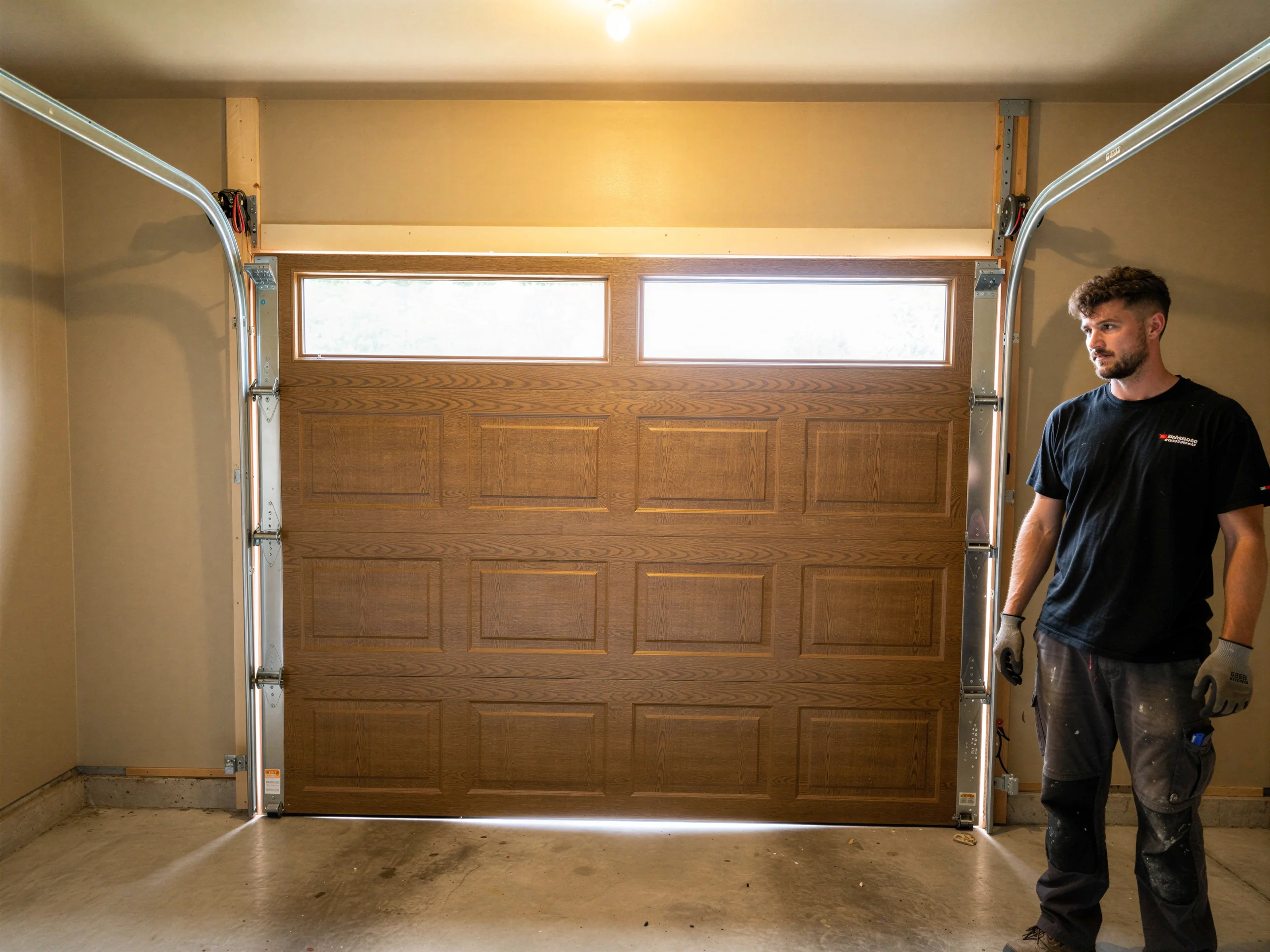
Most houses in Rialto went up around 1982, squarely inside the broader service area's 1958-1996 build window. That matters for cable repair because doors from that era typically run steel lift cables sized for lighter, single-layer steel sections, not the heavier insulated doors that have since replaced some of them. When a homeowner swaps in a heavier door but keeps the original cable gauge, the cable works harder every cycle and wears faster.
The climate band here is moderate heat, not desert extreme, so you don't get the rapid dry-rot cracking of cable sheathing that shows up in hotter inland areas. What you do get is the slow kind of wear: decades of grease on the drum and track drying out, dust building up in the cable groove, and galvanized strands rubbing against a slightly misaligned bracket until one strand gives, then another. It's gradual, which is why most people don't notice until the cable actually lets go.
What the Repair Takes
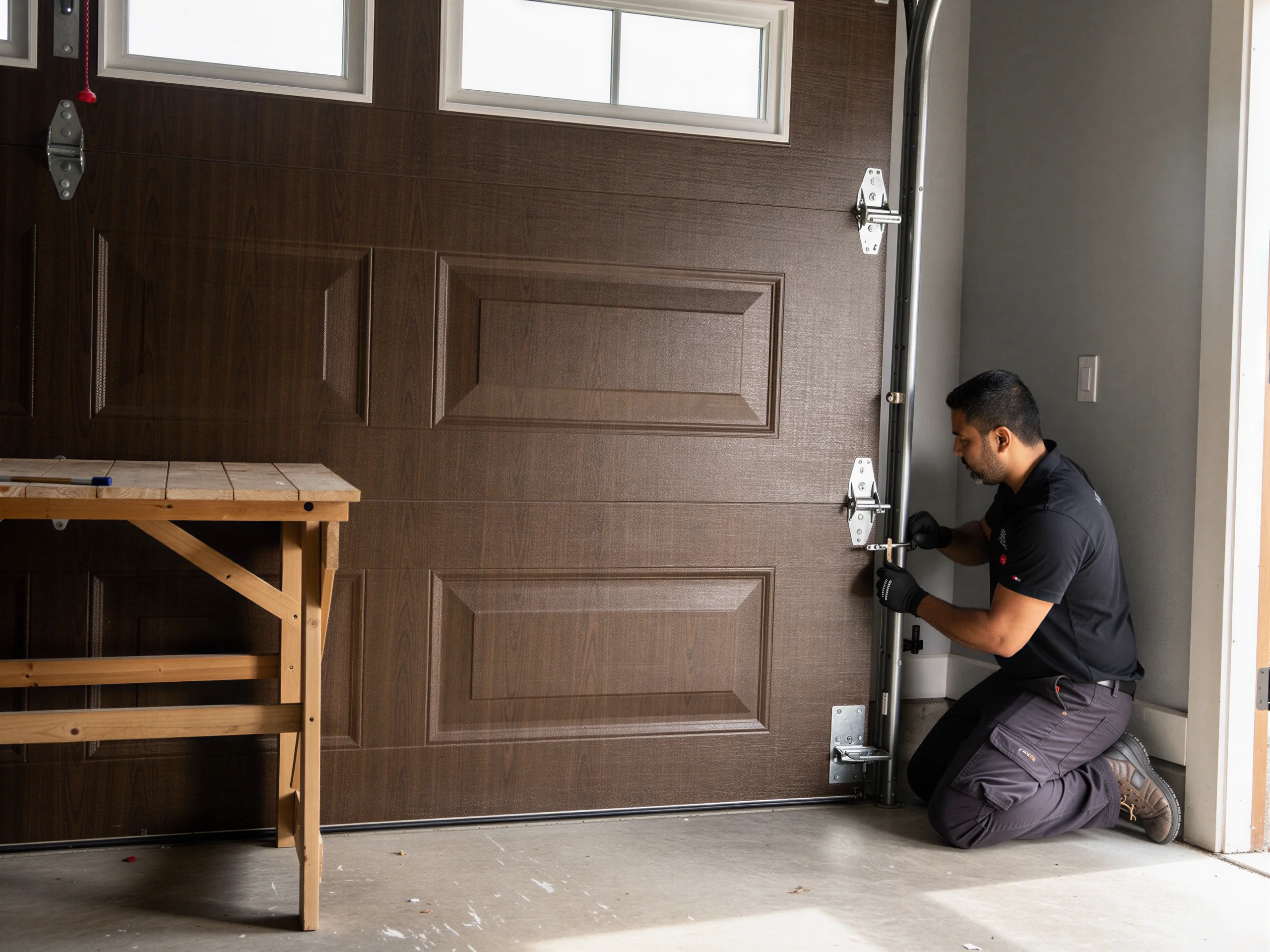
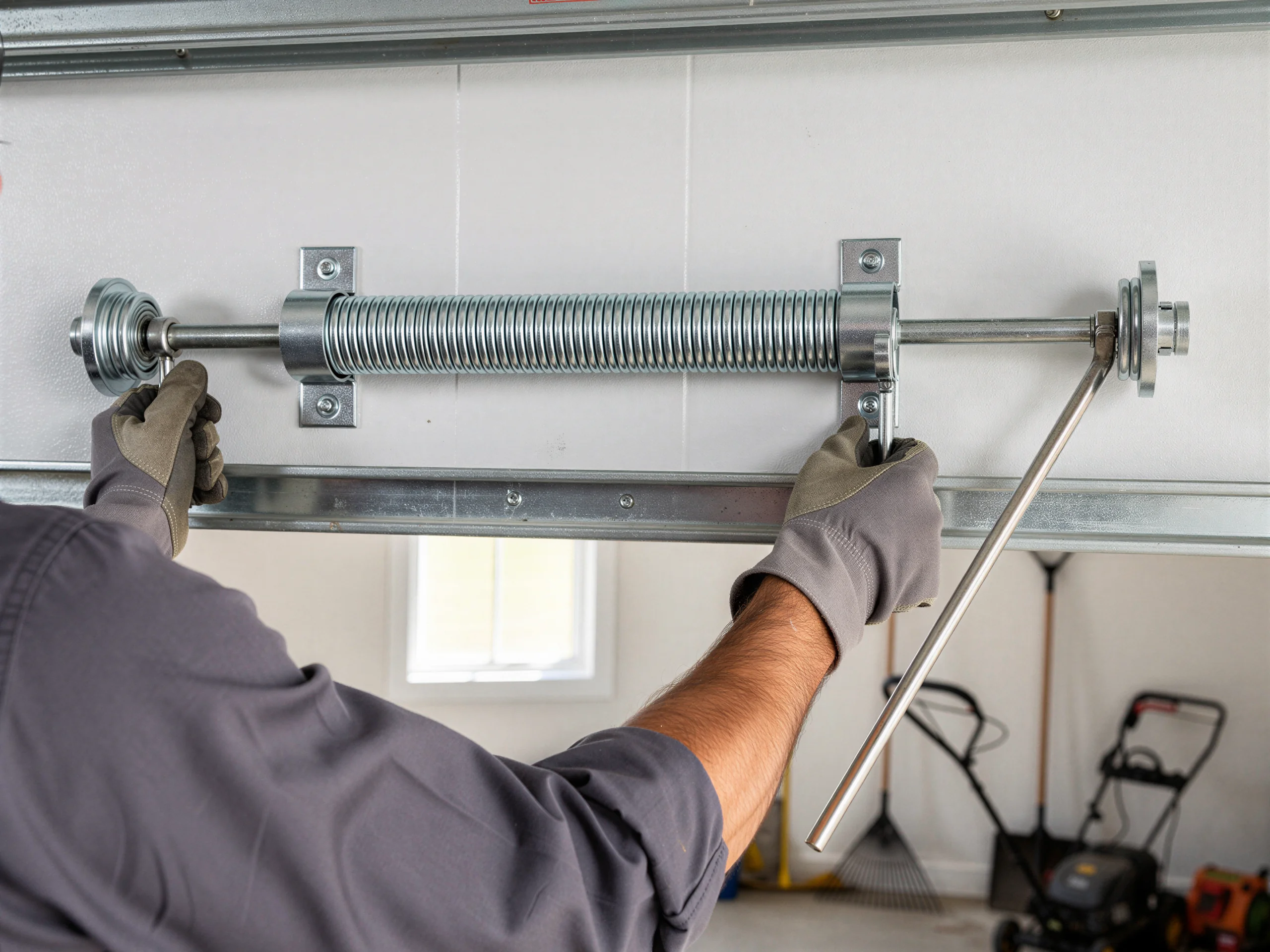
Cable repair starts with releasing spring tension safely, because the cables and the torsion spring share the same load path and you can't touch one without controlling the other.
Cable length and gauge match
From there it's matching cable length and gauge to the door's actual weight, not just the original spec sheet, since many Rialto garage doors from the early 1980s have had a panel or weatherstrip added that changes the math slightly.
Drum wear and track alignment
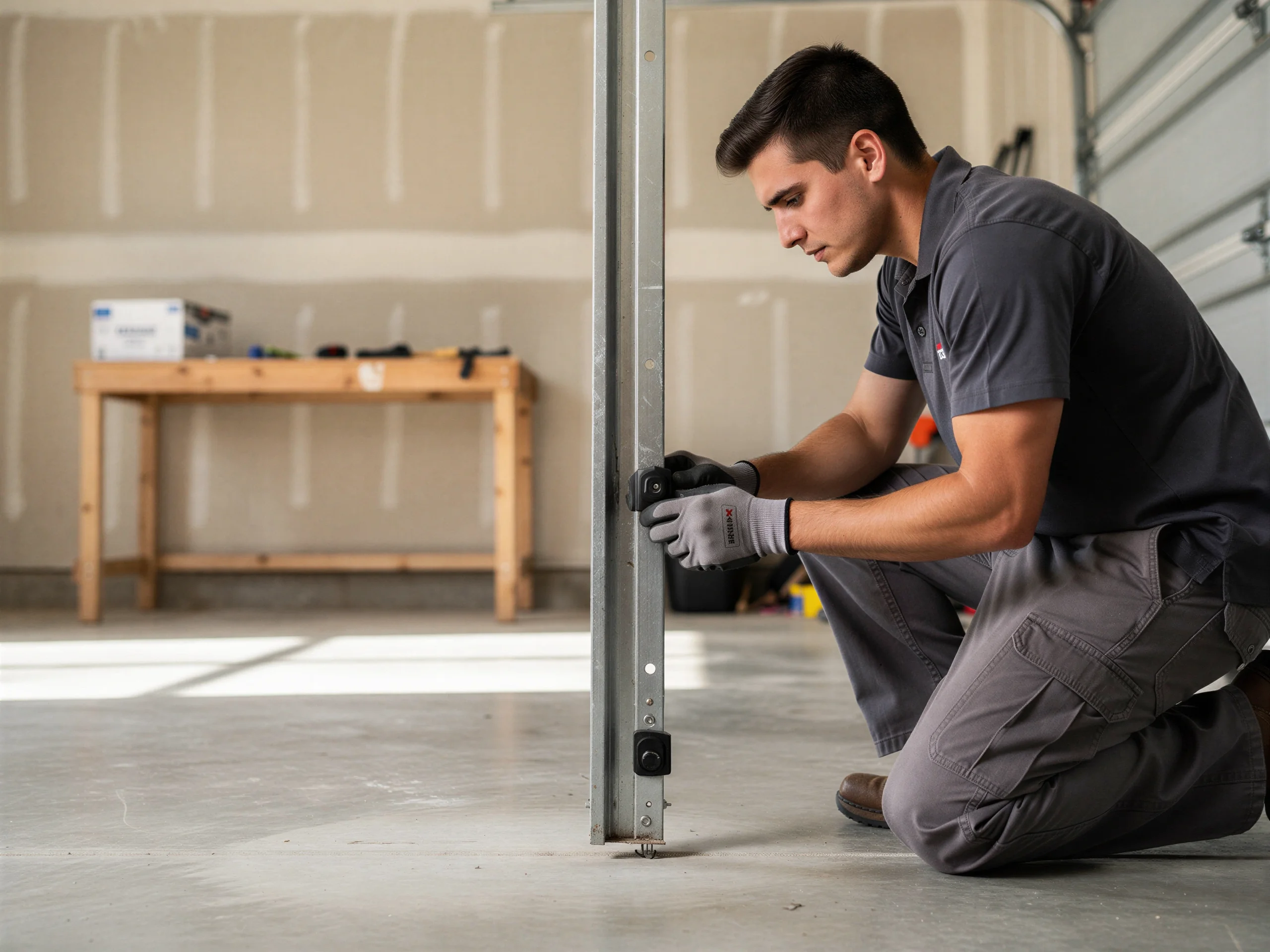
We check the drum for wear grooves, the bottom fixture for a clean cable seat, and the track alignment, because a cable that keeps fraying in the same spot is usually a symptom of a bent track or a loose bracket, not a bad cable on its own.
Replace cables as pairs
If the drum is scored or the track is bent, replacing just the cable buys you a few months, not a fix. We replace both cables as a pair even when only one has failed, since the other side is carrying the same age and the same wear.
The DIY Question
A lift cable is under real tension even with the door down, because the torsion spring never fully releases that load. Cutting or unspooling one without controlling the spring first is how people lose fingers, not a figure of speech. That part of the job isn't a weekend project, and we won't pretend otherwise.
What a homeowner can safely do is look: check for frayed strands near the bottom bracket, listen for a grinding sound when the door moves, and watch whether the door sits level when it's about a foot off the ground. If one side is riding higher than the other, that's a cable problem, not an opener problem, and it's worth a call before you run the opener again and put more load through a cable that's already compromised. We won't talk anyone through doing the swap themselves over the phone, and we're straight about that.
How Long You Are Without the Door
With 26,856 households in Rialto, a good number of garage doors on this side of town are original 1980s steel sectional units still running their factory cables, which means the hardware we're replacing is usually a known quantity, not a mystery part we have to source first. That keeps the job itself fairly contained once we're on site.
We don't quote a response window for Rialto specifically, since the job is run out of San Bernardino, about six miles away, and travel time depends on where the truck is that day. If a cable snap leaves your car trapped inside, the manual release cord lets you lift the door by hand in the meantime, carefully, and only with the spring still intact. We'll tell you plainly if that's not safe to attempt given what we find.
Talk to a local pro
Garage door service in San Bernardino?
Same-day service with honest, upfront quotes.