What Can Go Wrong
Rialto's housing stock sits a few years newer than San Bernardino's core - median build year 1982 against 1979 citywide. That gap sounds small, but it's enough to shift the hardware we see on a 2 a.m. call.
Steel sectionals on extensions
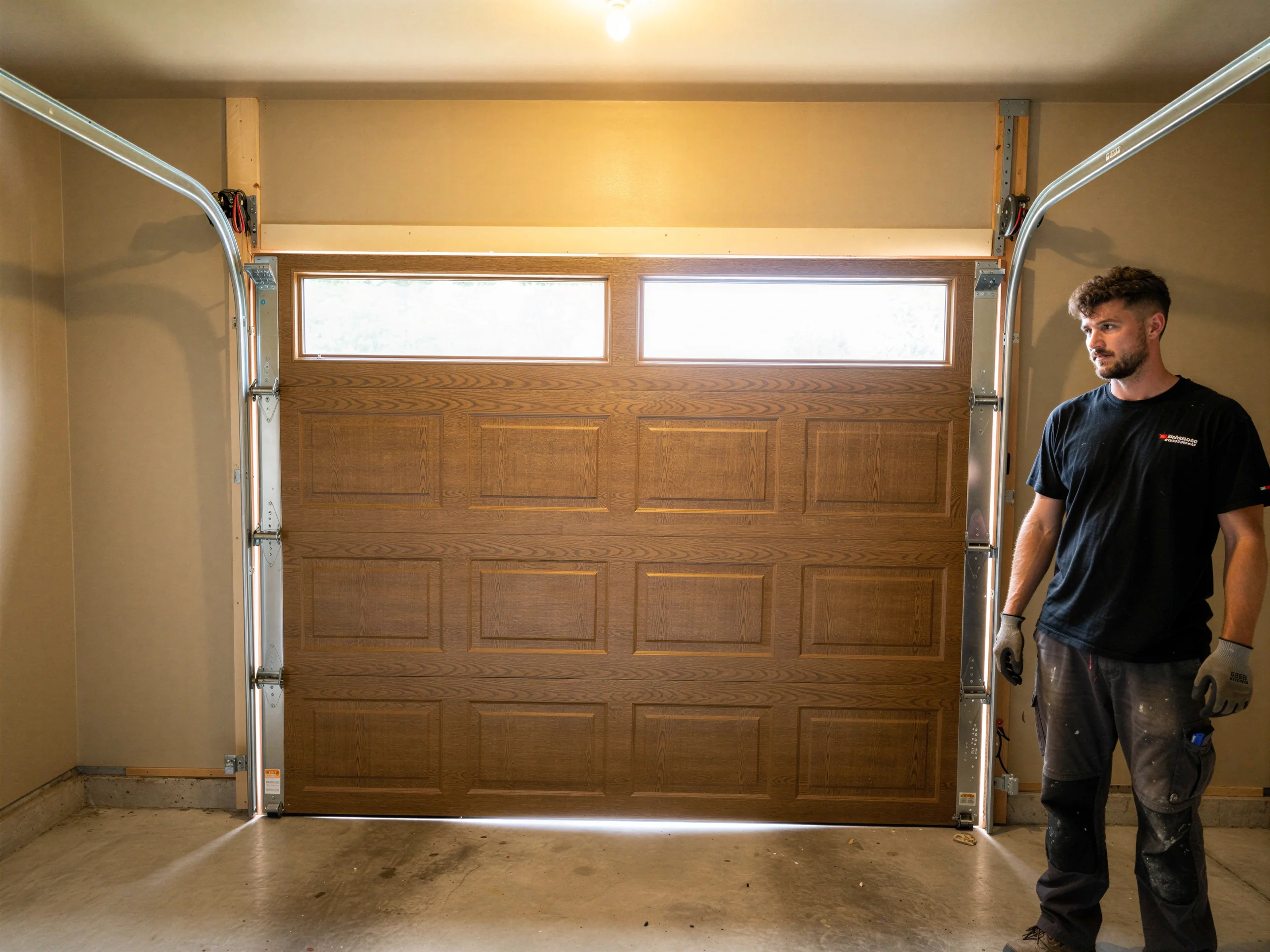
Doors from this stretch of the build era are more likely to run steel sectional panels on extension springs rather than the older one-piece slab doors with side-mount torsion bars we still find closer to the city center.
Extension spring stretch failure
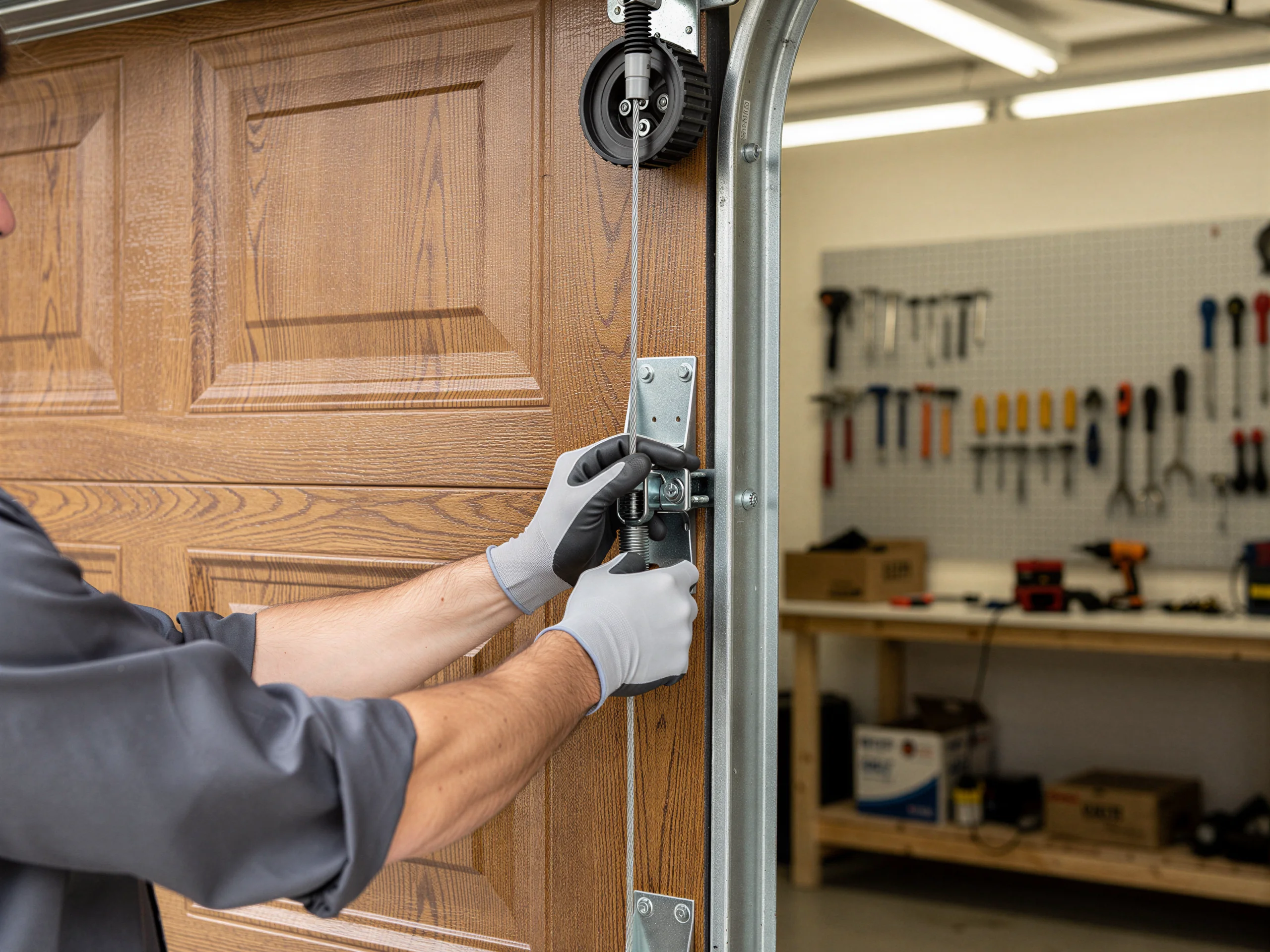
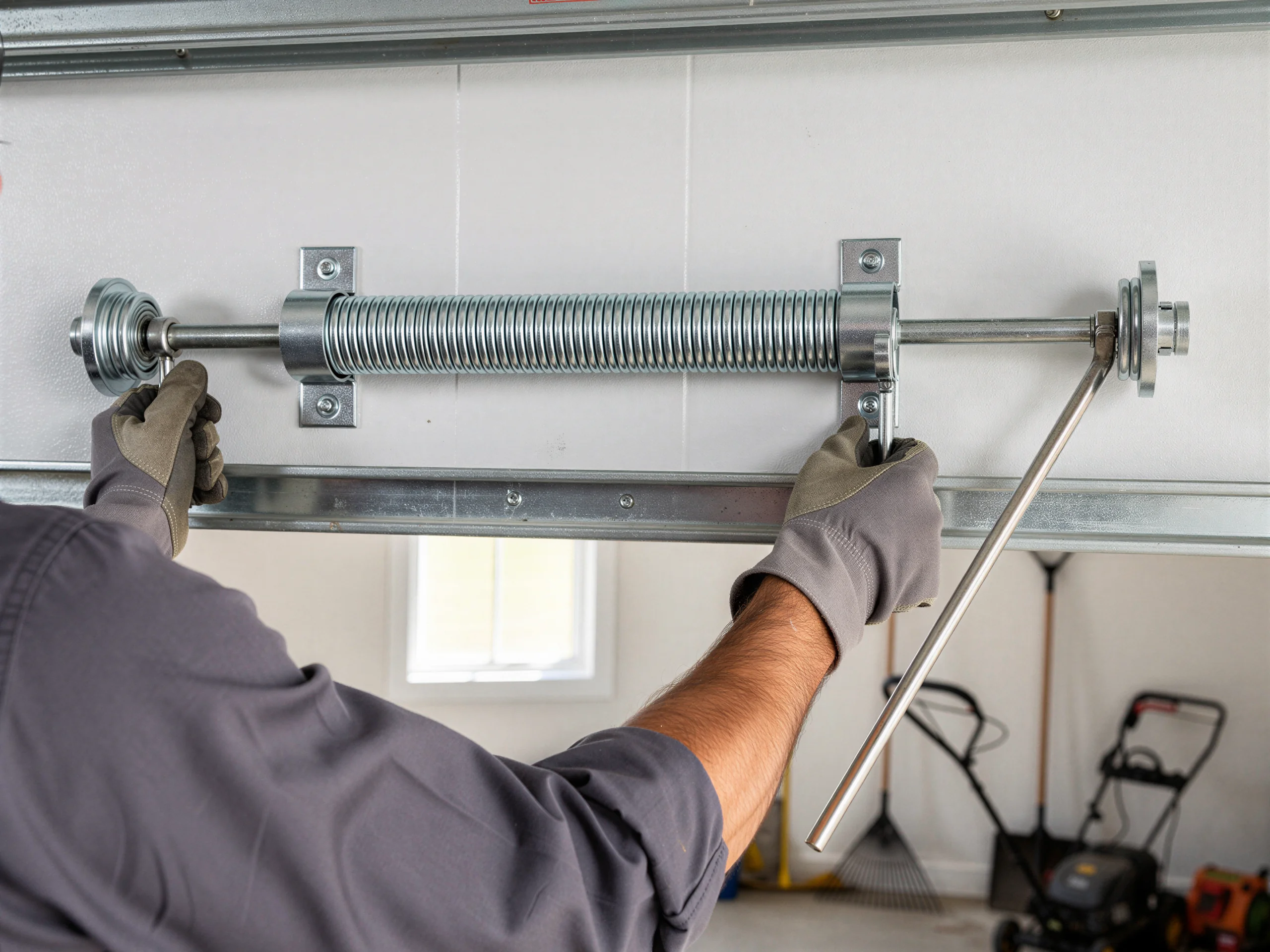
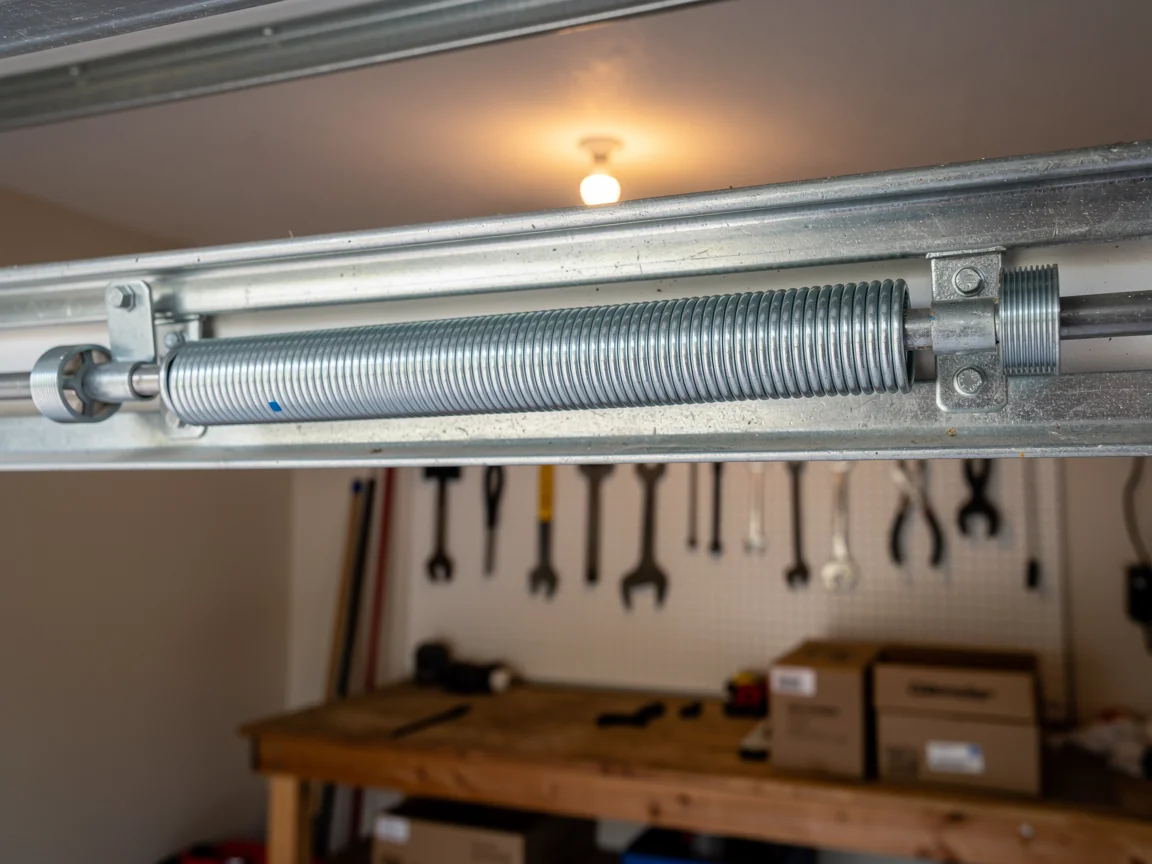
The extension spring setup fails differently: cables fray and jump the pulley, the spring itself stretches and loses tension instead of snapping clean, and the safety cable (if one was ever added) is the thing that keeps a loose spring from becoming a projectile.
Gear stripping from binding
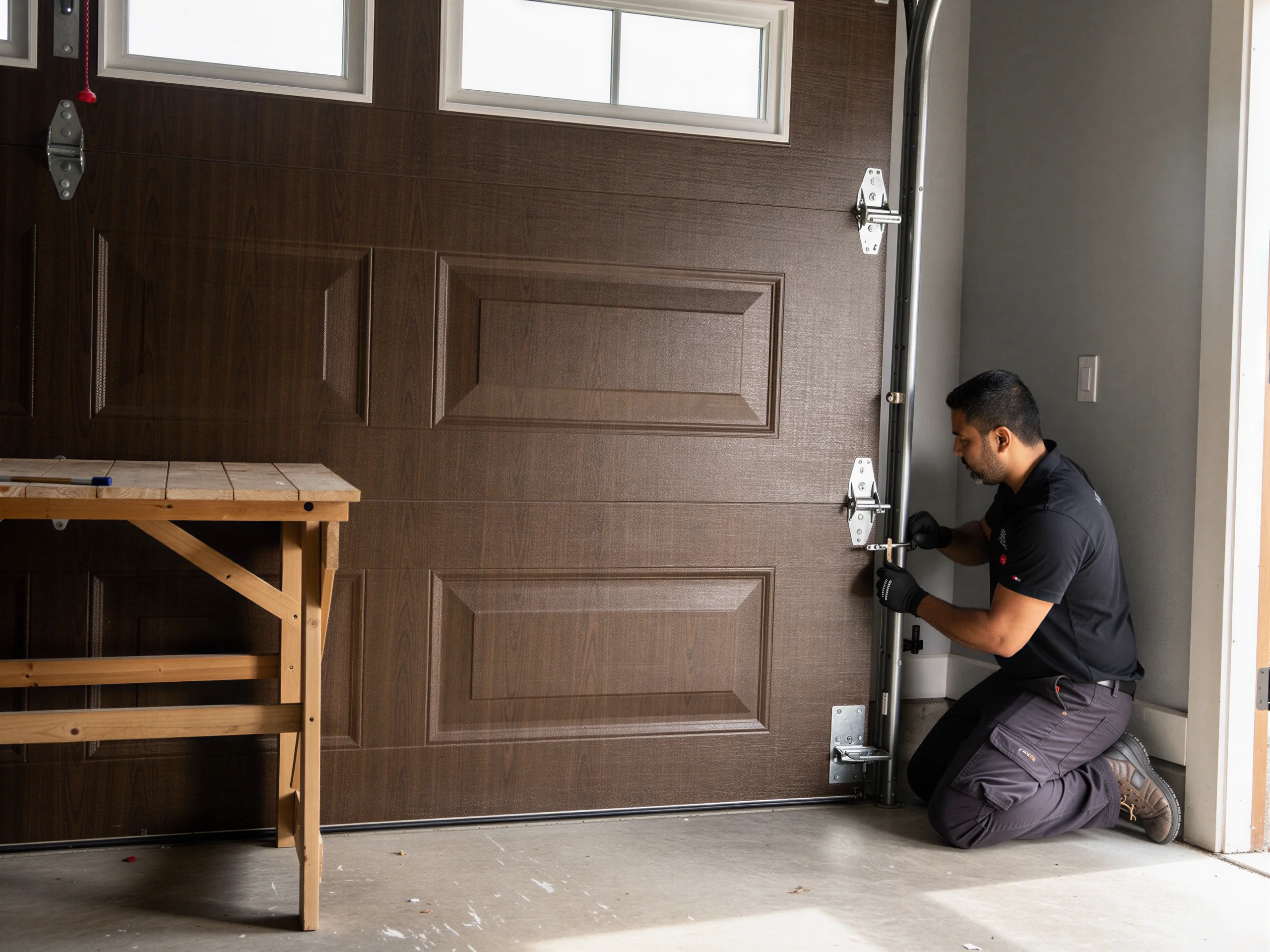
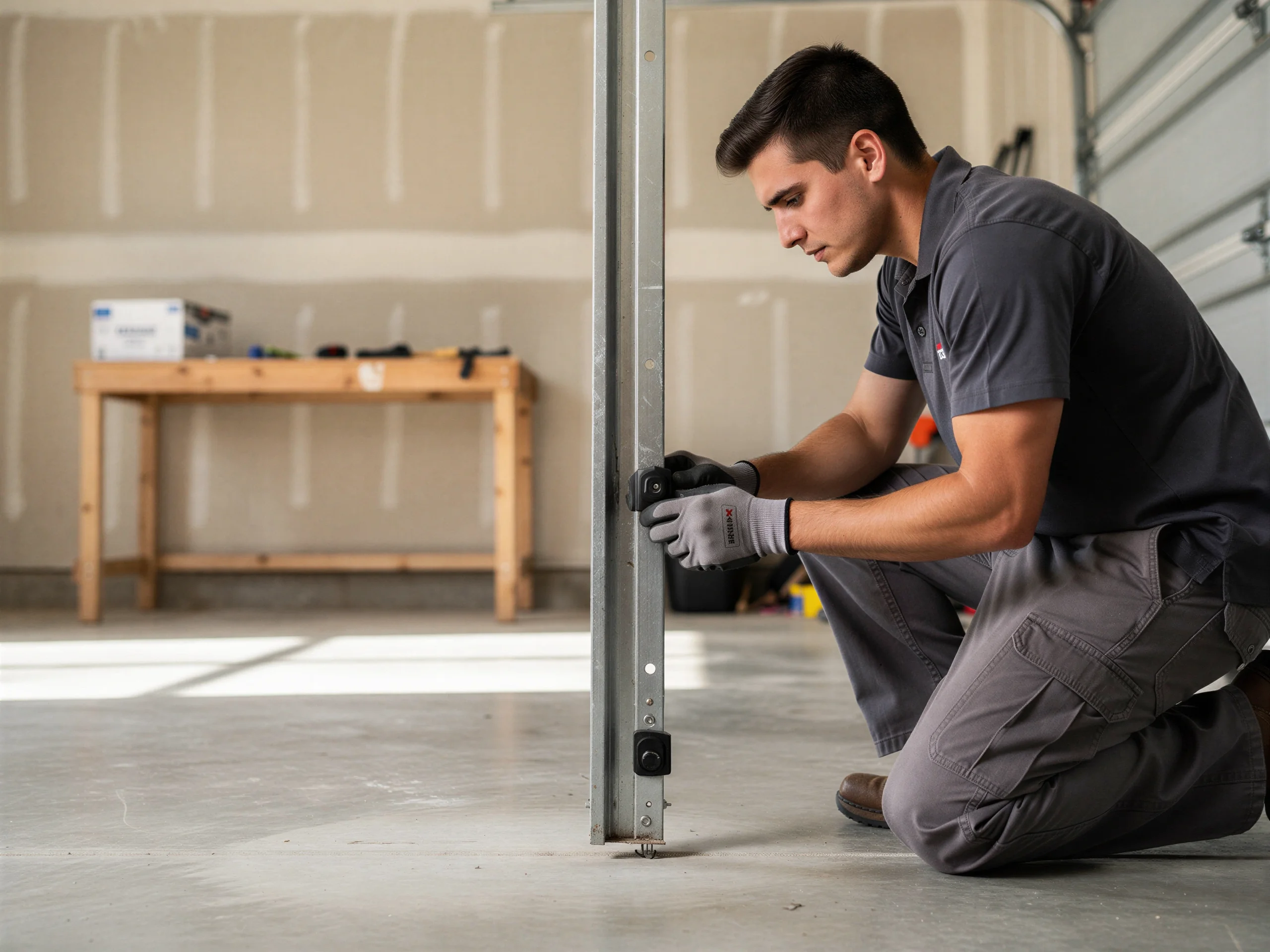
We also see broken rollers wearing out galvanized track, bent bottom brackets from a car bumping the door, and openers that strip their gears trying to force a door that's binding on a track that's gone out of square. None of this is exotic. It's just a slightly different failure pattern than what we pull hardware for ten minutes away.
What Causes It Around Here
With 26,856 households in Rialto and a median income of $85,521, this is a market with a fair number of owner-occupied homes where the garage door has had one owner and minimal attention since it went up. A door installed around 1982 is now past 40 years old on its second or third spring set, if it's had any replaced at all. Heat is the other factor - this area sits in the same moderate heat band as the rest of the service region, and repeated summer expansion and contraction on steel track and nylon rollers speeds up wear on parts that were never top-grade to begin with. Daily temperature swings loosen fasteners on track brackets faster than people expect, and a door that was fine in spring starts binding by August. None of this is unique to Rialto, but combined with a housing stock built mostly in the late 1970s through the 1980s, it means the springs, cables, and openers failing today were installed under building and hardware standards from four decades back.
What the Repair Takes
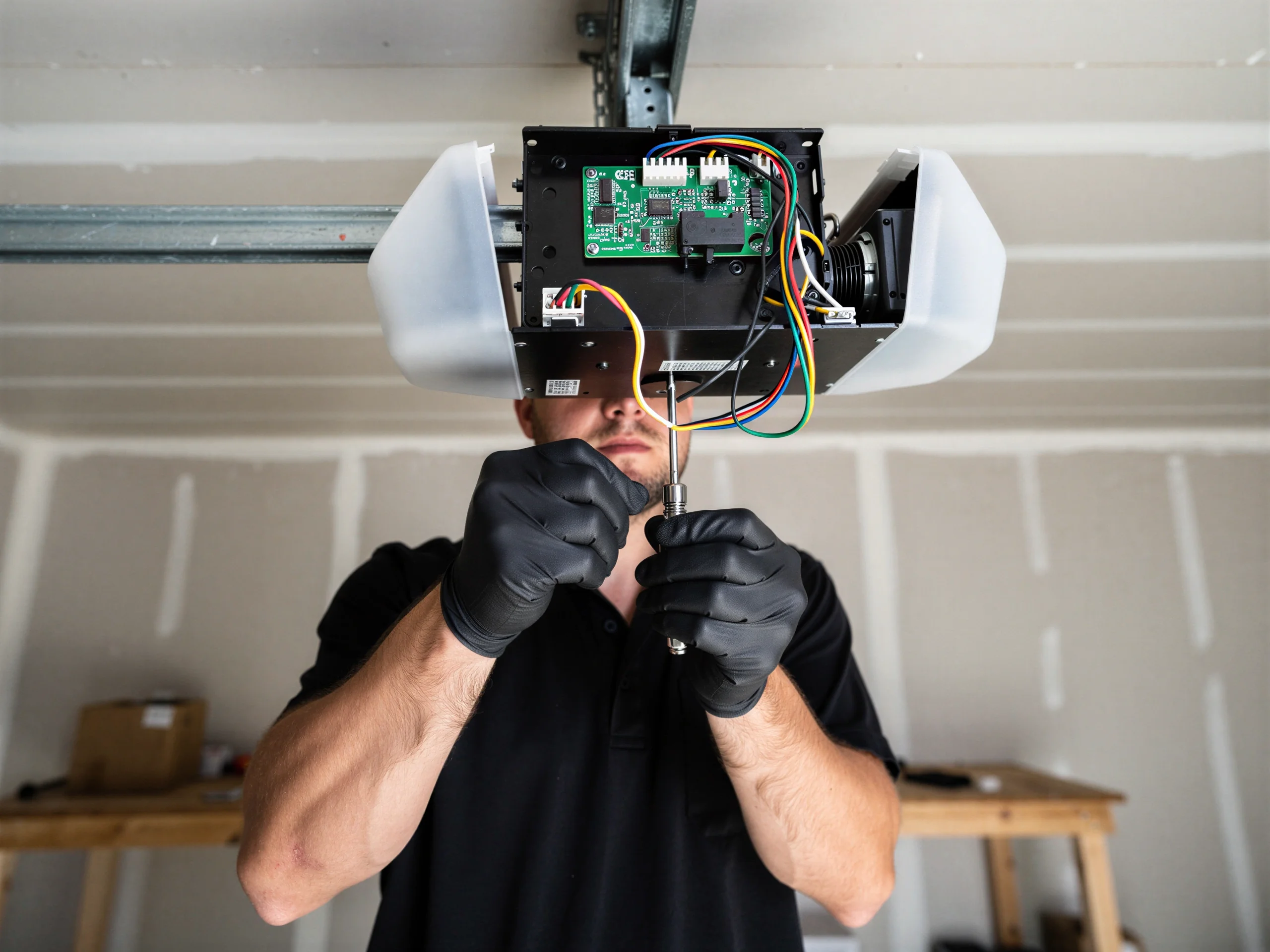
Most emergency calls here land in one of three buckets: a broken spring, a snapped cable, or an opener that's quit mid-cycle with the door half up.
Same-visit standard stock
We carry common spring sizes and standard track hardware on the truck, so a straightforward spring replacement or cable swap on a typical residential door gets done same-visit in most cases.
Obsolete hardware delays
Where it gets slower is parts that don't match current stock - if a door from the early 1980s still has its original hardware and that hardware was a less common gauge or an odd track width, we may need to source a part rather than pull it off the truck.
No same-day guarantee for parts
That's the honest limit: we don't keep every obsolete bracket or spring size in inventory, and a same-day fix isn't guaranteed if your door needs a part that has to be ordered. We'll tell you on the spot whether your repair is a truck-stock job or a return-trip job.
The DIY Question
A broken torsion or extension spring is not a DIY job, full stop - the spring is under enough tension to break a bone or worse, and that's true whether the door is five years old or forty.
Cable-holding panel weight
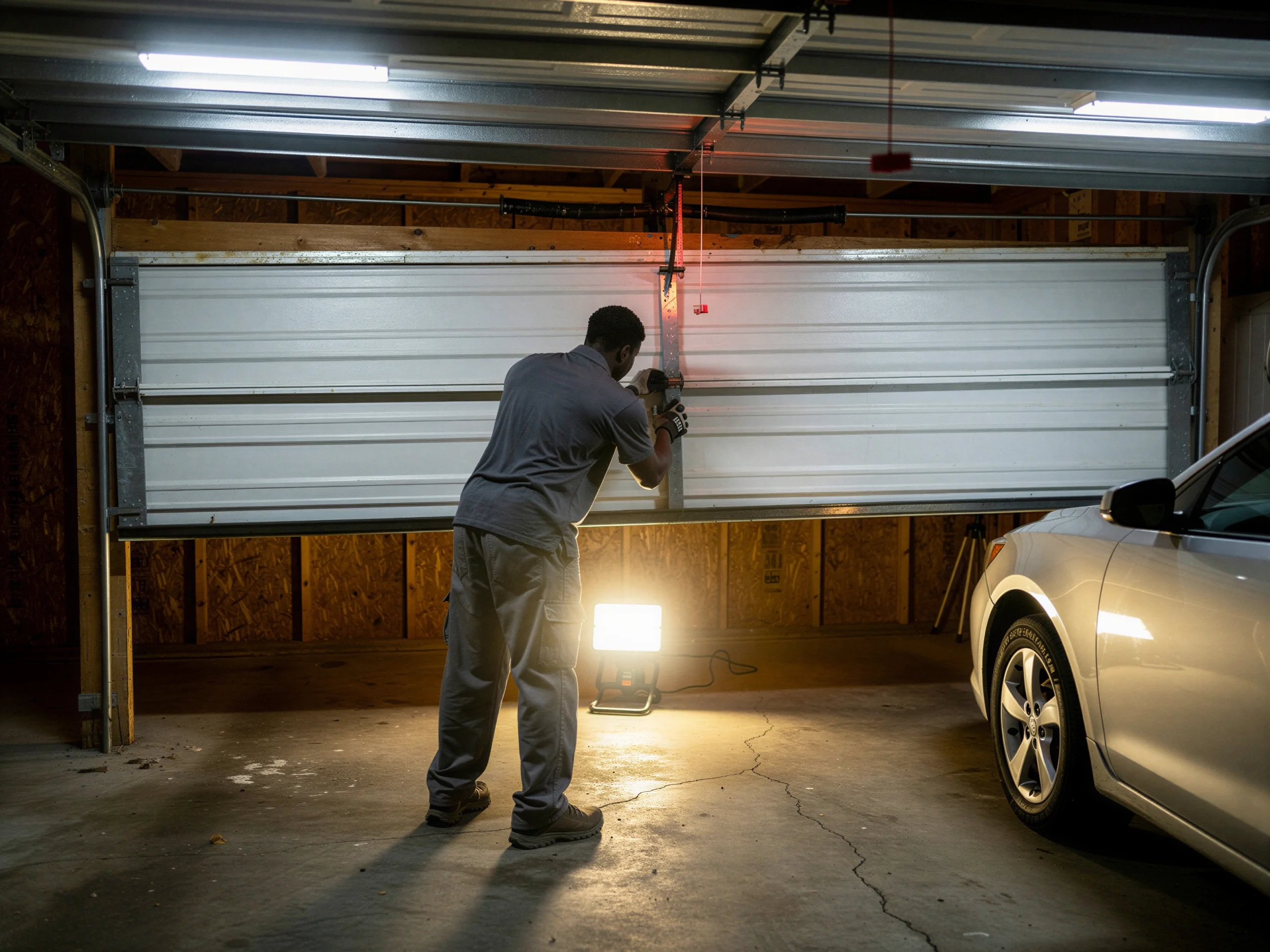
Cable replacement is the same category: the cable is holding the panel weight the spring isn't. What you can reasonably check yourself before calling: whether the opener has power, whether the manual release cord has been pulled by accident, and whether the track has visibly bent or pulled away from the wall.
Split spring means stop
If the door won't move and you can see a coiled spring that's split in two, stop there and call - don't try to wind it back or force the door open by hand.
Forcing fatigued doors
On a door this old, forcing it can also crack a panel or snap a hinge that was already fatigued, turning a spring call into a bigger repair.
How Long You Are Without the Door
We run out of San Bernardino, about 6 miles from Rialto, so the drive itself isn't the bottleneck - it's whether the part is on the truck. A broken spring or cable on a standard residential door is usually a same-visit fix once we're on site. A dead opener motor, a bent track section, or hardware tied to the less common spring sizes we sometimes find on homes from this build era can mean a second trip if we have to source the part. We'd rather tell you that up front than promise a same-day fix we can't back up. If you need the door secured in the meantime - closed and not able to be forced open - we can usually get that done on the first visit even if the full repair waits for parts.
Talk to a local pro
Garage door service in San Bernardino?
Same-day service with honest, upfront quotes.