What Can Go Wrong
The drive from our San Bernardino shop to Rialto is about 6 miles, short enough that a tech can look at your door, name the part, and still have time to grab it from the truck stock before heading over.
Heavier 1980s door weights
That matters here because Rialto's housing mostly went up around 1982 - later than some of the neighborhoods closer to San Bernardino proper - which means a specific generation of hardware: extension or torsion springs rated for a slightly heavier steel door than the 1960s stock nearby, and openers that have likely already been swapped once or twice since the house was built.
Torsion spring sudden failure
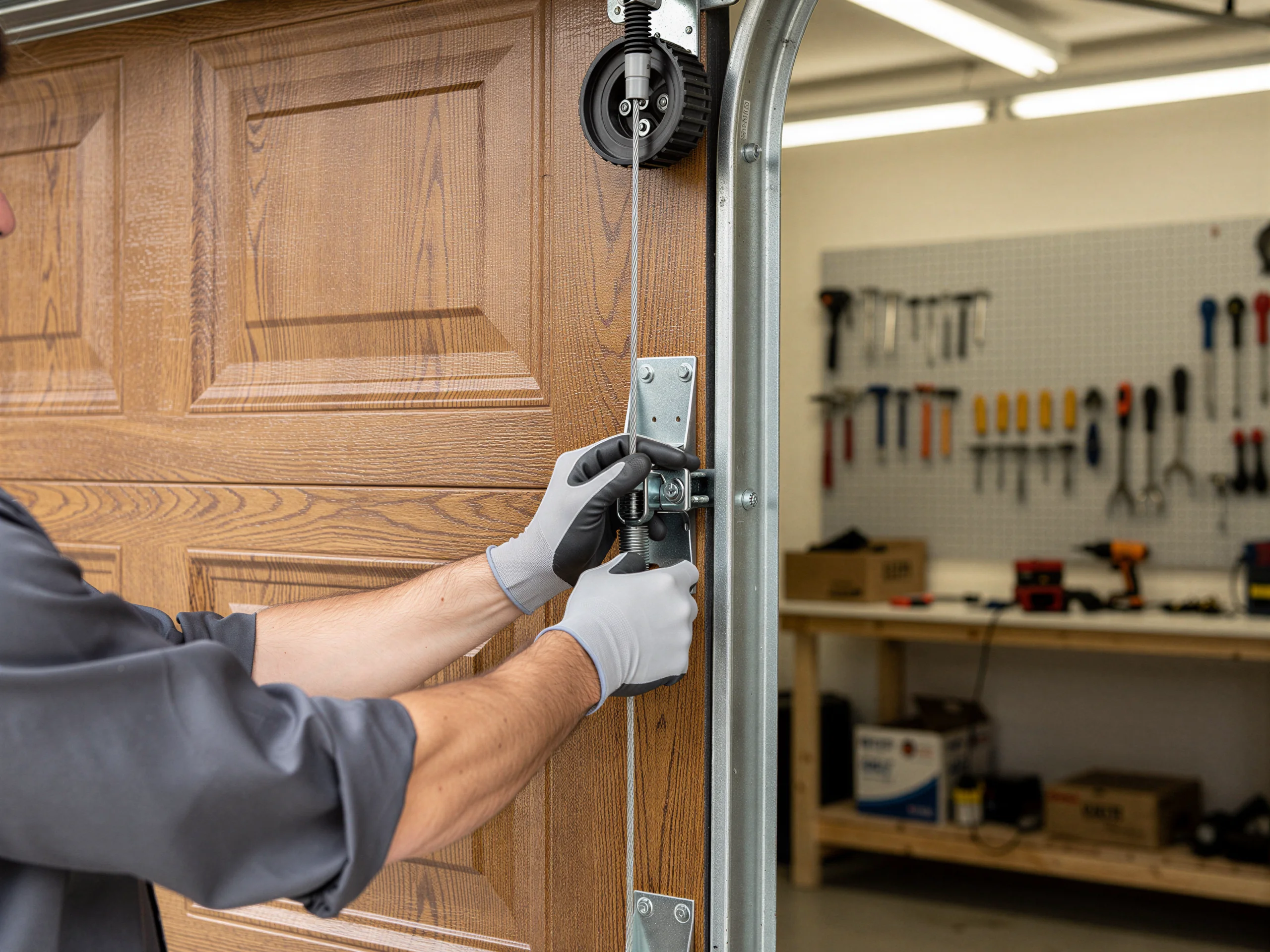
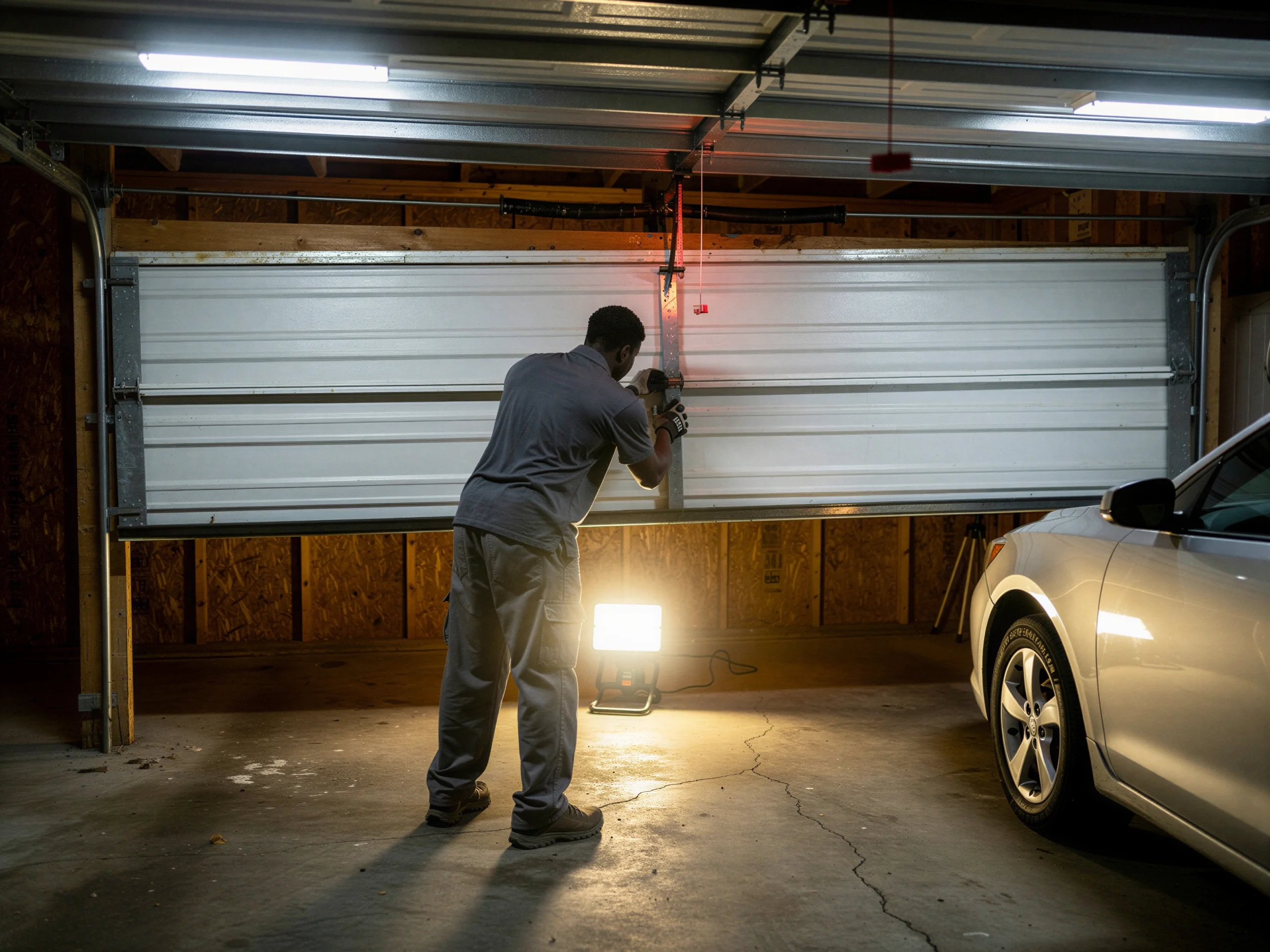
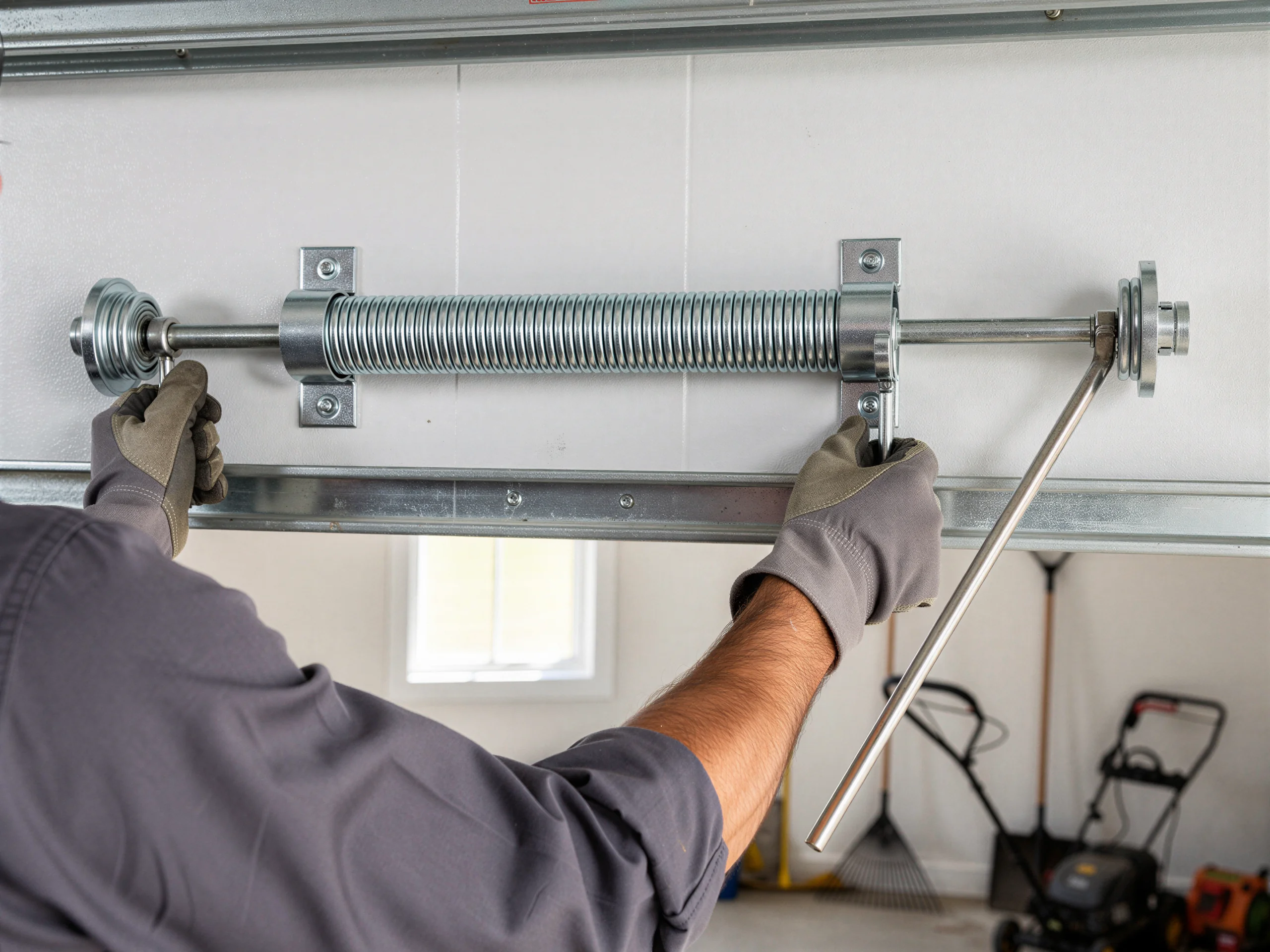
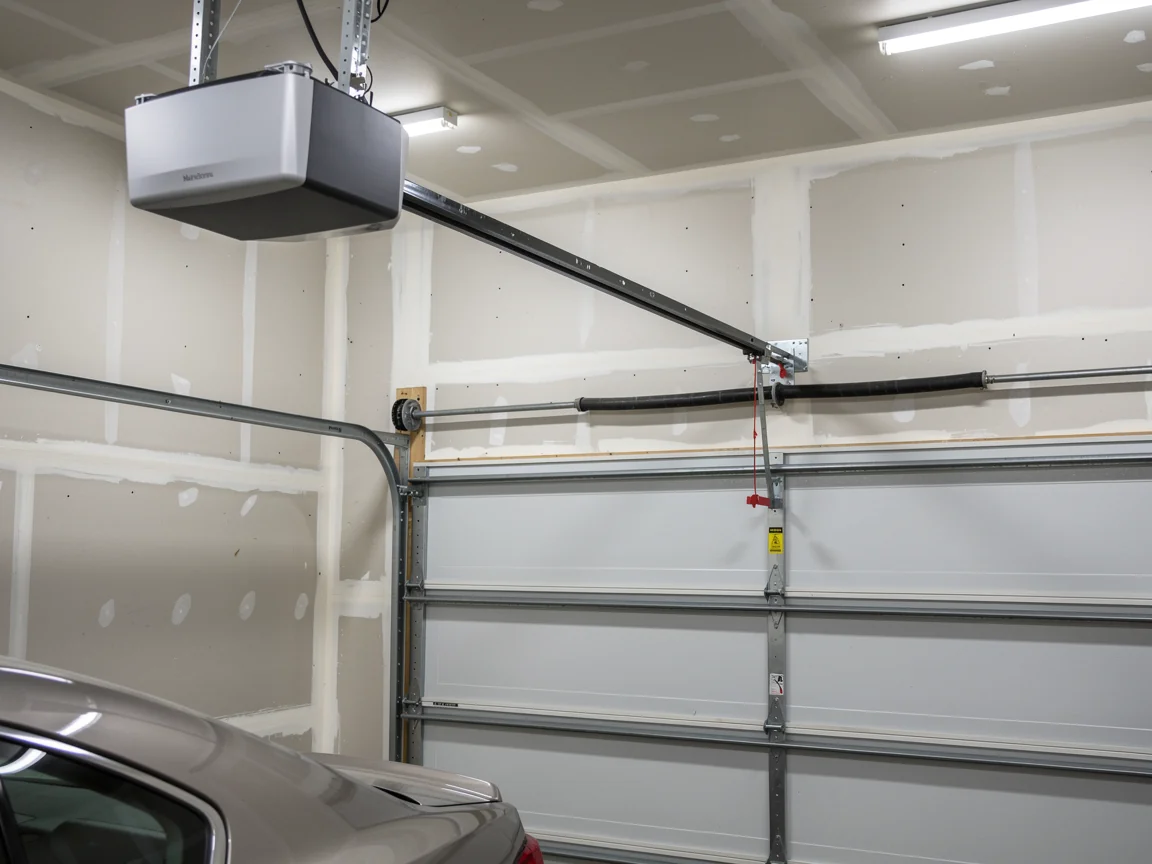
What fails on these doors is predictable. Torsion springs rated for 1980s door weights are now 40-plus years old regardless of when they were last replaced, and they go without warning, usually on the coldest or most-used day of the week. Rollers on tracks from a mid-80s install are often the original steel ones, worn oval instead of round, which shows up as a door that shudders halfway up.
Sprocket wear on openers
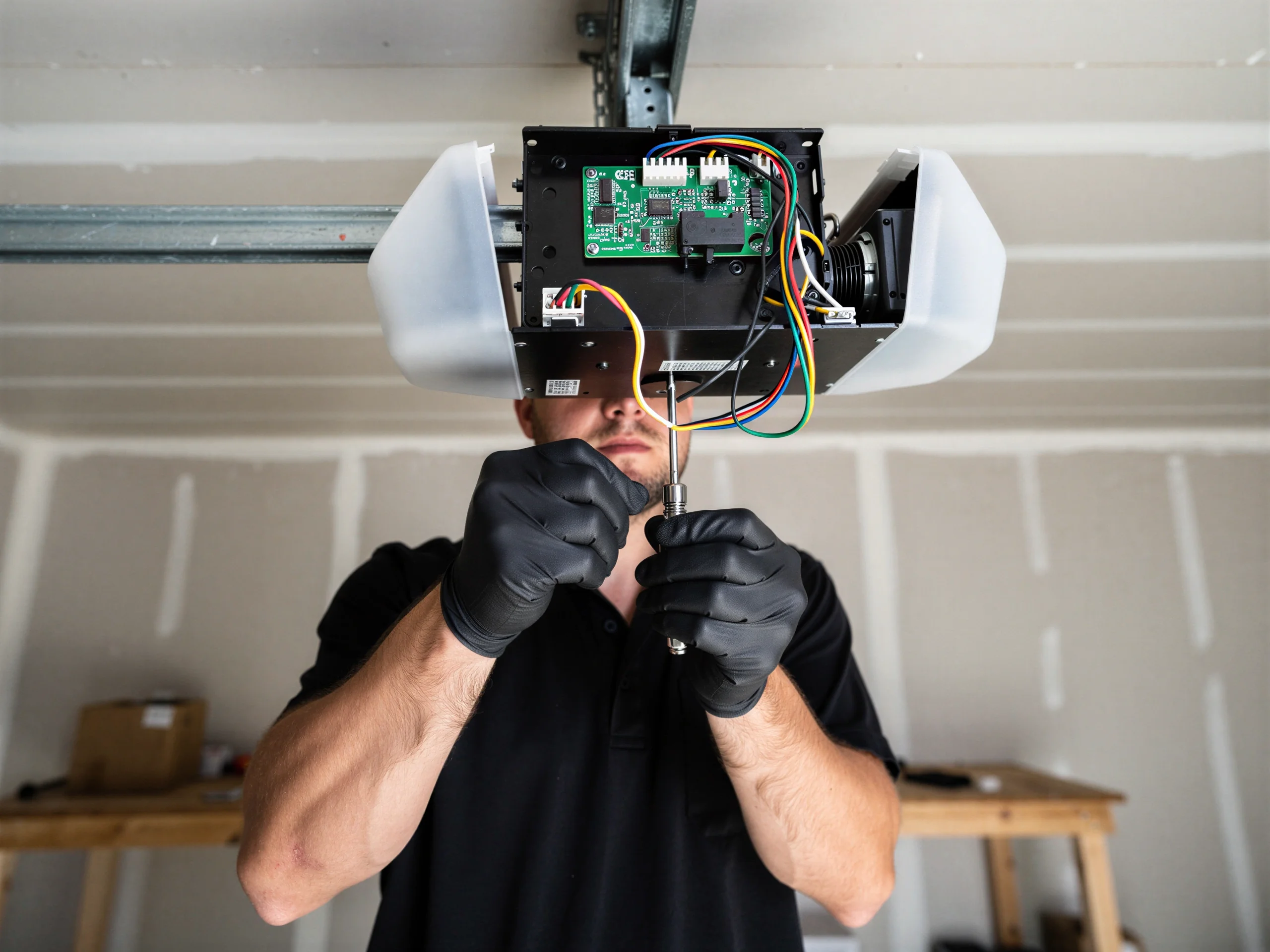
Openers from that era, or their later replacements, commonly have failing drive gears or worn sprockets rather than anything wrong with the door itself. Panels dent and seals crack same as anywhere, but the torsion spring call is the one we see most on this side of town.
What Causes It Around Here
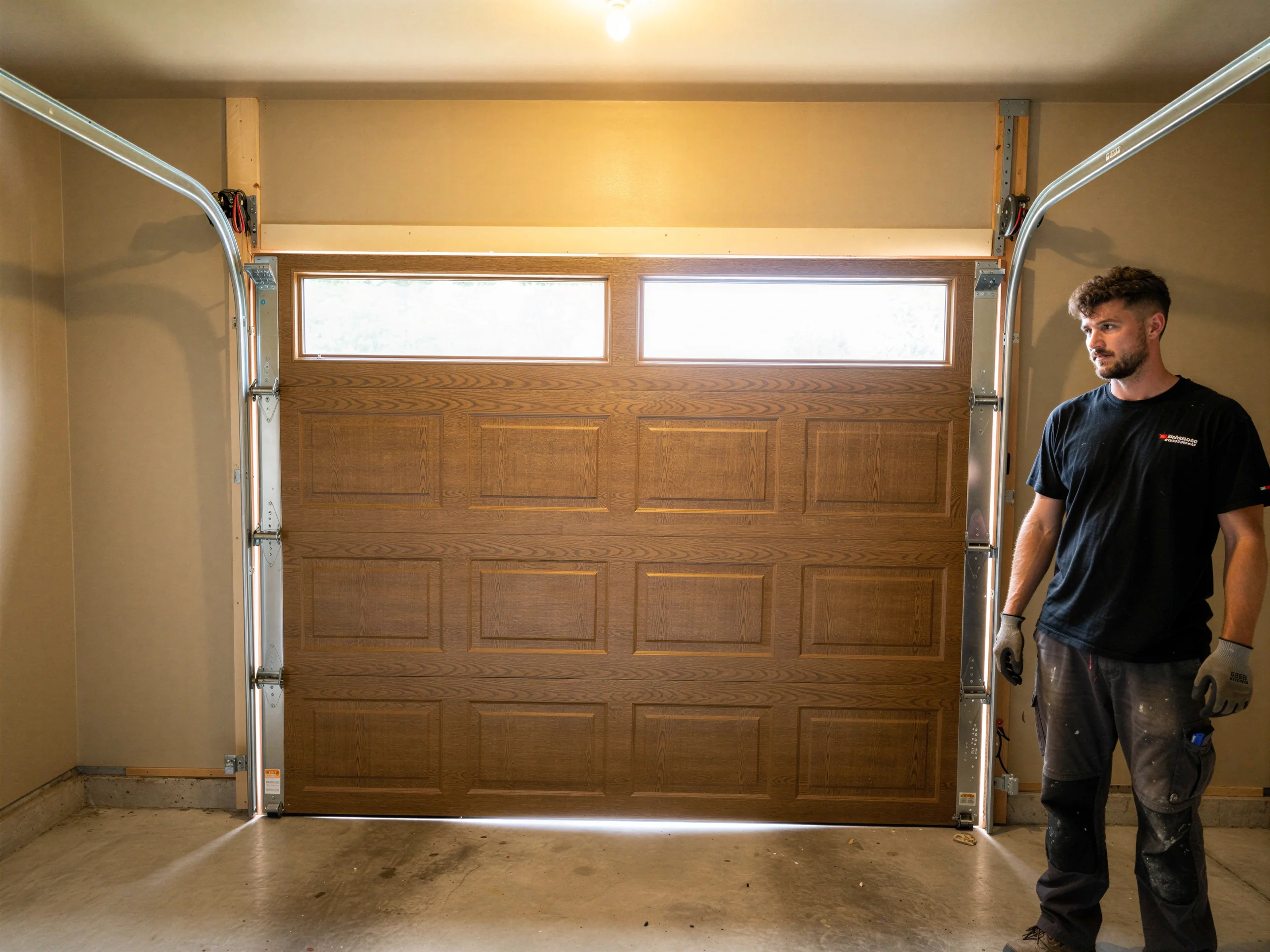
Rialto's median year built of 1982 puts most houses in a window where steel sectional doors with torsion spring systems had become standard, replacing the older one-piece swing-up doors you still find on some of the 1960s streets closer to San Bernardino. That's a better setup mechanically, but it means the springs here are rated for a specific door weight, and a mismatched replacement spring - too weak or too strong for the panel - is a common DIY and even contractor mistake we get called to fix.
Heat plays its part too. The service area sits in a moderate-to-high heat climate band, and repeated summer expansion and contraction of steel tracks and spring coils shortens spring life regardless of use count. Combine that with 26,856 households in Rialto, most owner-occupied going by the broader area's ownership rate, and you get a lot of doors hitting the same age-related failure points inside a tight few years of each other. It's not bad luck - it's the housing stock aging as a block.
What the Repair Takes
A torsion spring replacement on a standard double door is a controlled job: unload the old spring safely, match the new one to the door's actual weight (not just what was on it before), and check the drums and cables while the system is open.
Rollers and track same visit
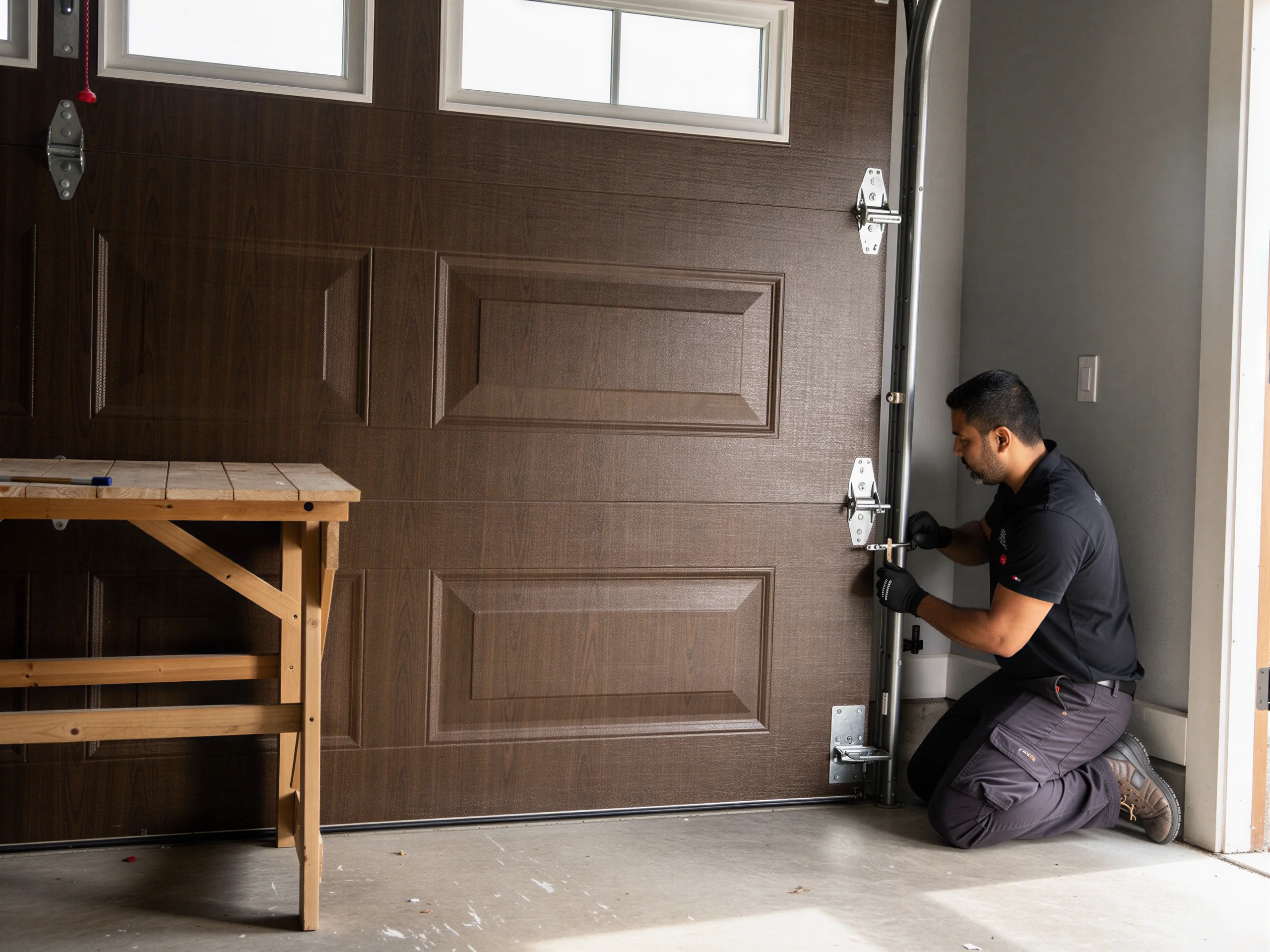
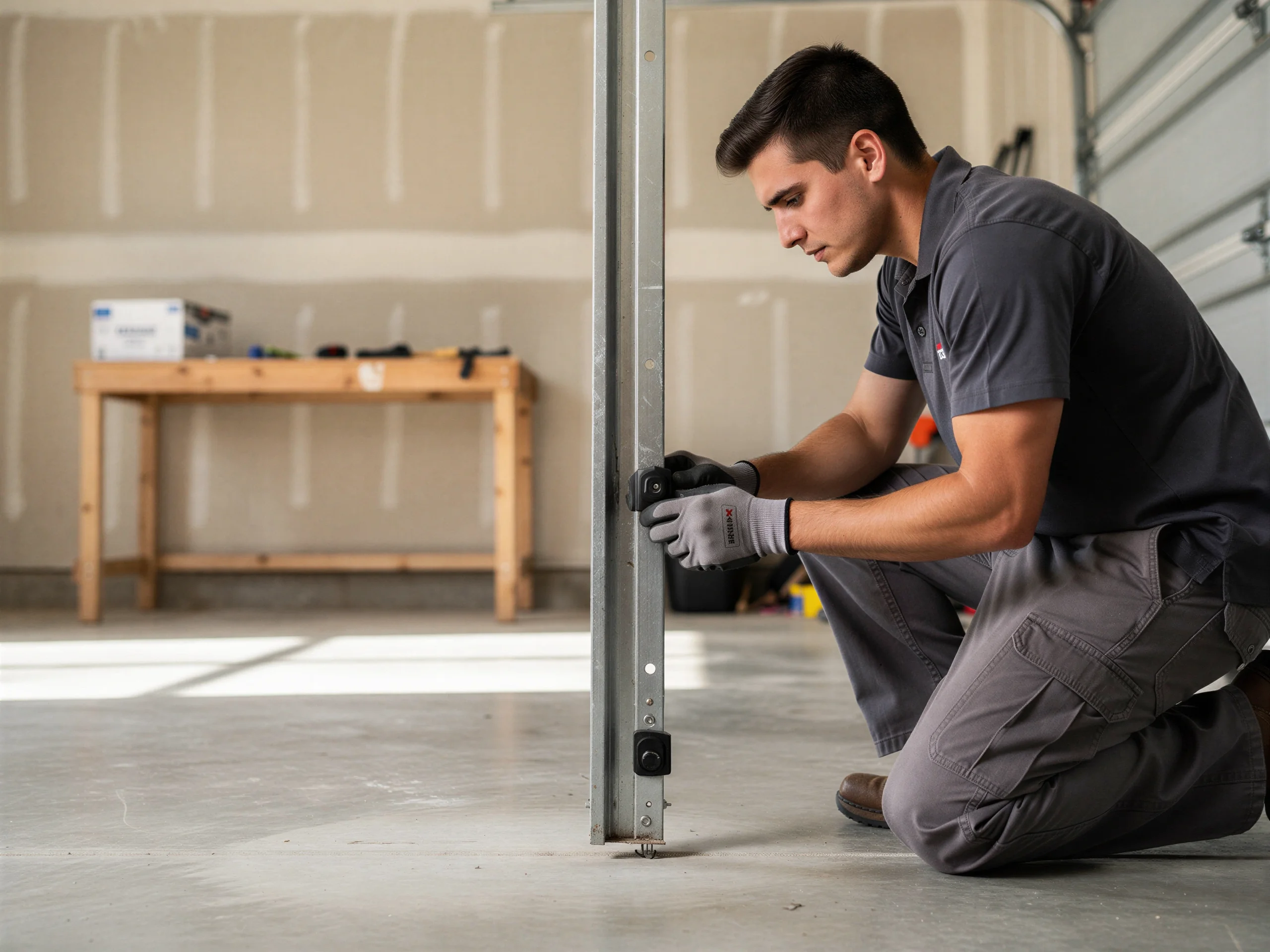
Roller and track work usually gets done in the same visit if we're already up there. Opener repairs vary more - a worn gear set is a short job, a dead circuit board sometimes means the unit itself is past fixing and replacement is the honest call.
Second trip for parts
One limit worth saying plainly: some less common opener models and certain older track hardware need a part ordered in, and that's a second trip, not a same-visit fix. We'd rather tell you that up front than promise a one-visit job we can't back up.
Backorders ignore proximity
Given the 6-mile run from San Bernardino, most Rialto jobs don't involve extra wait beyond normal scheduling, but a backordered part is a backordered part no matter how close the house is.
The DIY Question
Torsion springs store real force, enough to break a hand or worse if the winding bars slip, and that's true whether the door is in Rialto or anywhere else - this isn't a local fact, it's just the job.
Spring size identification
Where local facts matter is knowing which spring size and door weight you're actually dealing with, and on a house built around 1982 that's not always obvious from the spring markings alone, since parts get swapped over 40 years.
Safe homeowner maintenance tasks
What's reasonable to do yourself: lubricating rollers and hinges, checking the weatherstrip at the bottom panel, tightening visible loose bolts on the track brackets, testing the auto-reverse safety feature. What's not reasonable: touching the torsion spring, the cables under tension, or anything on the opener's drive assembly while the spring system is still loaded.
Cosmetic dents versus function
If a panel is dented but the door still runs true, that's a cosmetic call you can live with for a while - it's the moving parts, not the sheet metal, that decide whether a repair is worth doing.
How Long You Are Without the Door
Most spring and roller jobs on a Rialto house are a same-visit fix once a tech is on site - the work itself, not the drive, is what takes the time.
Parts on truck decide timing
The 6-mile distance from San Bernardino means getting a tech to the house isn't the bottleneck; the condition of the door and whether the right part is already on the truck is.
Two-hour spring swaps
A standard torsion spring swap on a door built to 1980s weight specs typically runs under two hours once started. Where it stretches out: openers with a specific board or gear kit that isn't common stock, or a door old enough and dented enough that replacement makes more sense than repair.
Door safe but not operable
In those cases, the house sits with a door that's safe to leave closed but not run on the opener until the part or new unit arrives. We'll tell you straight whether you're looking at a same-day fix or a short wait, rather than guessing out loud.
Talk to a local pro
Garage door service in San Bernardino?
Same-day service with honest, upfront quotes.